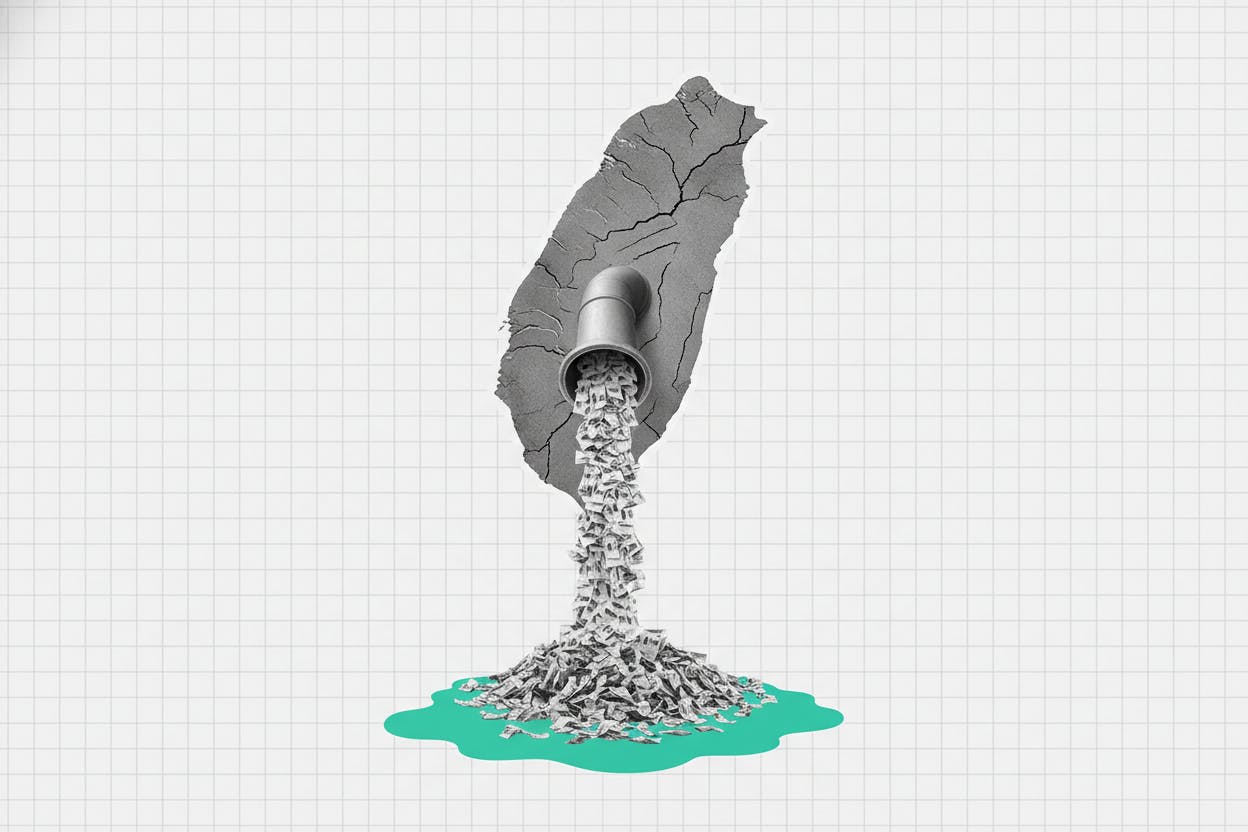
Taiwan's semiconductor stocks fell on Friday, defying a record quarterly profit from Taiwan Semiconductor Manufacturing Co. (TSMC), the world's largest contract chipmaker. The decline came as investors locked in gains and turned their attention to the mounting costs of meeting surging demand for artificial intelligence chips.
TSMC's shares dropped more than 5% on the day, dragging down other chip stocks across the island's benchmark index. The move underscores a growing tension in the market: even stellar earnings may not be enough to sustain momentum when the price of future growth becomes the focal point.
Record profit, but at what cost?
TSMC reported a record net profit for the latest quarter, driven by strong demand for its advanced chips used in AI data centers and high-end smartphones. The headline beat was widely expected, given the company's dominant position in manufacturing chips for companies like Nvidia and Apple.
But investors are increasingly looking past past results and toward what lies ahead. The sticking point is capital expenditure, or capex — the money a company spends on building factories, buying equipment, and expanding production capacity. TSMC has signaled that its capex will remain elevated as it builds new fabrication plants in Japan, Germany, and the United States, part of a global push to diversify its manufacturing footprint.
These overseas expansion costs are significant. Building and equipping a leading-edge chip plant can cost tens of billions of dollars, and the returns take years to materialize. For investors, that raises questions about near-term profitability and free cash flow.
What this means for investors
For everyday investors, the sell-off in TSMC and other Taiwan chip stocks is a reminder that earnings beats alone don't guarantee rising share prices. Markets are forward-looking, and they often price in expectations well before results are announced. When those expectations are already sky-high — as they have been for AI-related stocks — even good news can be met with profit-taking.
The broader lesson is about the cost of growth. TSMC's rising capex is a sign of strength: the company is investing to meet demand that shows no signs of slowing. But it also means that a larger share of revenue is being reinvested rather than returned to shareholders through dividends or buybacks. Investors will be watching closely for signs that these investments are starting to pay off in higher revenue and margins.
This dynamic isn't unique to TSMC. Across the tech sector, companies are spending heavily on AI infrastructure, from data centers to specialized chips. The payoff may be substantial, but it's not immediate. For now, the market is weighing the promise of future AI-driven profits against the very real costs of getting there.
Broader market context
The sell-off in Taiwan's chip stocks comes amid a wider period of volatility in global technology shares. The Nikkei 225 plunged 3.6% on similar concerns about chip stocks and geopolitical tensions. Meanwhile, other markets have shown mixed signals: the ASX 200 dropped as miners slumped, while energy stocks rose.
For investors with exposure to Taiwan or semiconductor stocks, the key takeaway is that the AI boom is entering a new phase. The easy gains from the initial excitement may be giving way to a more nuanced period where execution and cost management matter as much as revenue growth.
As always, diversification remains important. No single stock or sector — no matter how dominant — is immune to shifts in market sentiment. The best approach is to understand the risks behind the headlines and ensure your portfolio reflects your own time horizon and tolerance for volatility.