Major automakers are hedging their electric-vehicle bets with a hybrid twist: cars that drive on battery power most of the time but carry a small gasoline engine as a backup generator. Ford, Stellantis, and Hyundai are all developing so-called extended-range EVs, according to a report in The Wall Street Journal, a strategy designed to tackle one of the biggest hurdles to EV adoption—range anxiety—without forcing buyers to pay for enormous batteries.
What is an extended-range EV?
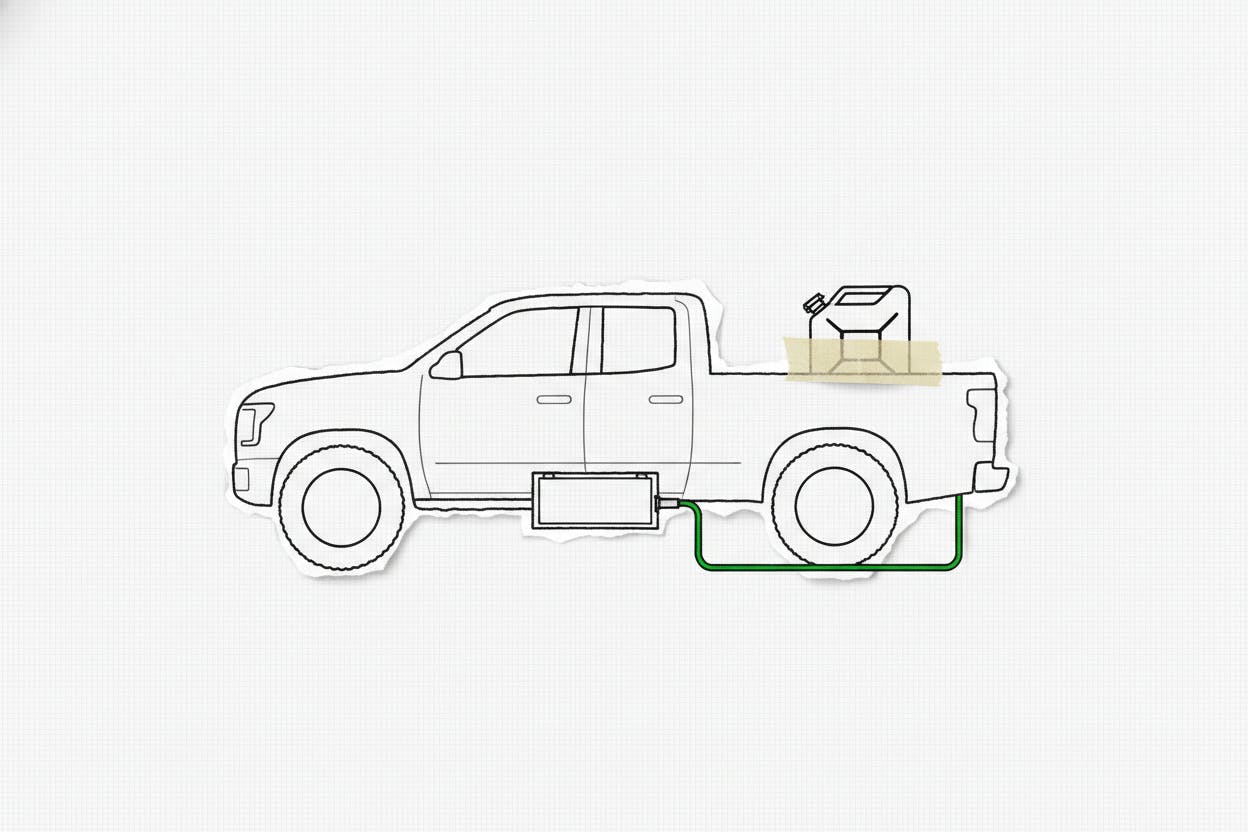
An extended-range electric vehicle is essentially an EV with a safety net. It runs on an electric motor and battery like a typical EV, but it also includes a small internal combustion engine that acts purely as a generator. When the battery runs low, the gas engine kicks in to produce electricity, extending the driving range until the driver can recharge or refuel.
This is different from a traditional hybrid, where the gas engine can also directly power the wheels. In an extended-range setup, the wheels are always driven by the electric motor. The gas engine only charges the battery, which means the driving experience stays smooth and electric-like, but the car can keep going on long trips without relying on a charger being available.
The appeal is straightforward: automakers can advertise road-trip range without cramming in a massive, expensive battery, and drivers don't have to assume they'll always find a fast charger. It's a compromise that could appeal to buyers who want the benefits of electric driving but worry about charging infrastructure.
What the automakers are planning
According to the Journal, Stellantis plans to launch an extended-range Jeep Grand Wagoneer later this year or early next year, followed by a Ram 1500 REV pitched at up to 690 miles of range. That figure would far exceed the range of most current EVs, which typically offer between 250 and 350 miles on a full charge.
Hyundai is reportedly targeting a Santa Fe extended-range model for 2027. Ford is also working on extended-range models, though the report didn't specify which vehicles or timelines.
These moves come as automakers face slowing EV sales growth and mounting pressure to cut costs. Building EVs with smaller batteries and a gas generator can lower the sticker price, which remains a major barrier for many consumers. It also reduces the need for expensive raw materials like lithium and nickel, which have seen volatile prices.
The strategy is not entirely new—Nissan's e-Power system and the Chevrolet Volt used similar concepts—but it's gaining renewed attention as automakers look for ways to bridge the gap between traditional gas cars and full EVs.
What it means for investors
For everyday investors, this trend signals that automakers are listening to consumer concerns and adapting their product plans. It suggests that the transition to electric vehicles may not be a straight line, but rather a series of steps that include hybrids and extended-range models.
From an investment perspective, extended-range EVs could help automakers like Ford, Stellantis, and Hyundai protect their market share in the crucial pickup and SUV segments, where range and towing capability are often top priorities. The Ram 1500 REV's 690-mile target, if achieved, would be a strong selling point against rivals like the Tesla Cybertruck and Ford's own F-150 Lightning.
However, investors should note that these models add complexity and cost to manufacturing, and it's unclear how much consumers will pay for the convenience of a backup generator. The success of these vehicles will depend on pricing, reliability, and whether they can actually deliver the promised range in real-world conditions.
For those watching the broader EV market, this is a sign that automakers are becoming more pragmatic about what it takes to win over mainstream buyers. It also highlights the ongoing importance of charging infrastructure, as even extended-range EVs still need to plug in for daily driving.
As always, it's worth keeping an eye on how these models are received when they hit the market. The first extended-range models from Stellantis are expected within the next year, and their sales performance could influence how quickly other automakers follow suit.
For more on how automakers are navigating the EV transition, see our coverage of Audi's compact EV plans and German factory output slips.