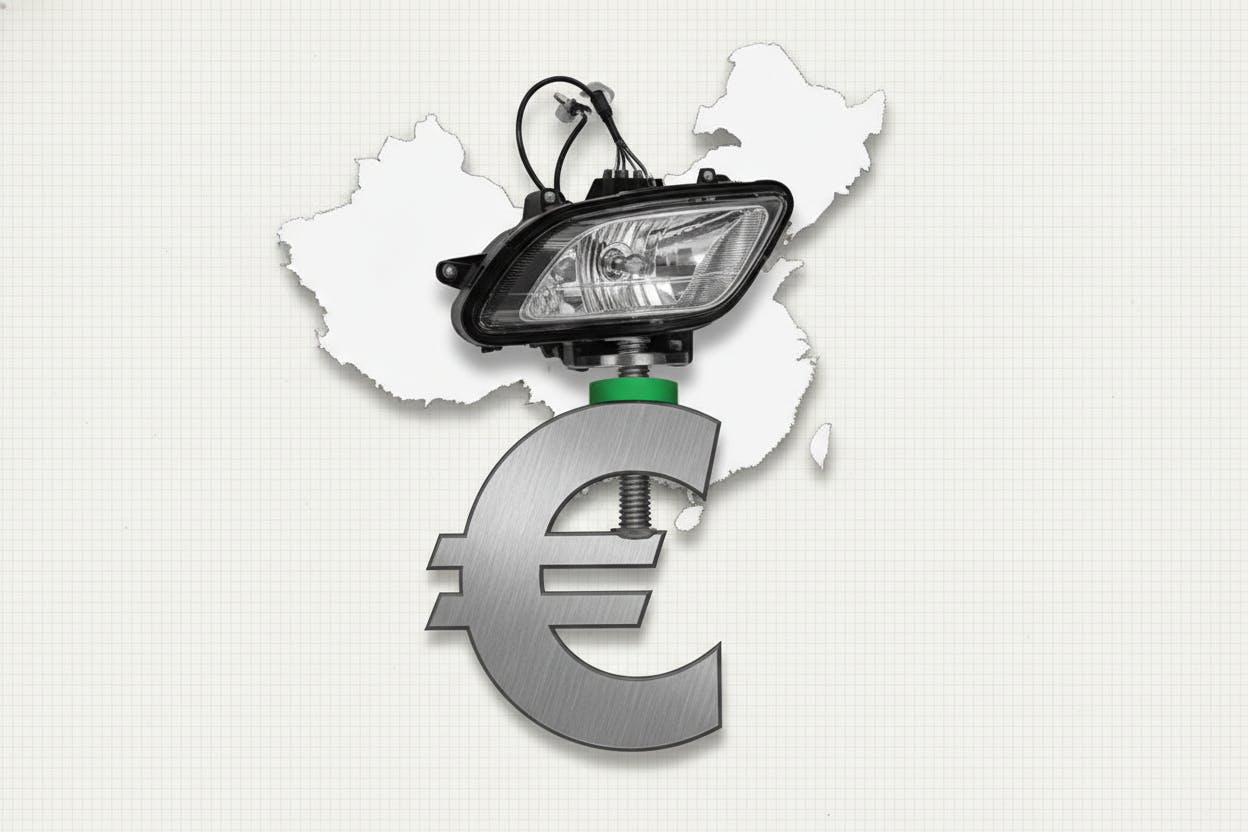
French auto-parts supplier Forvia reported a 4.3% decline in first-half sales, but the company still managed to beat expectations on profitability and debt reduction. The results come as the industry grapples with a slowdown in China, where Forvia's sales tumbled 19.3%.
Despite the revenue drop, Forvia's margins and debt reduction efforts came in ahead of analyst forecasts, according to Reuters. The company has been leaning into a new European defense partnership, which appears to be helping offset some of the weakness in its traditional automotive markets.
Why China matters for Forvia
China has been a key growth market for global auto suppliers, but recent economic headwinds have hit demand. China's factory and services activity shrank again in July, reflecting weaker consumer demand. This has affected not just Forvia but also other companies with significant exposure to the Chinese market, such as A.O. Smith, which cut its sales outlook as Chinese consumers pull back on home purchases.
Forvia's 19.3% drop in China sales is steeper than the overall decline, highlighting the severity of the slowdown there. However, the company's ability to maintain profitability suggests it is managing costs effectively and diversifying its revenue streams.
The European defense partnership
Forvia has been expanding beyond its traditional auto-parts business. The new European defense partnership is part of this strategy, though details remain limited. Defense contracts can provide more stable, long-term revenue compared to the cyclical auto industry, which may help cushion future downturns.
This move mirrors a broader trend of companies seeking to diversify. For instance, Engie lifted its full-year guidance after a stronger-than-expected first half, showing that some European industrials are finding ways to grow despite challenging conditions.
What it means for investors
For investors, Forvia's results are a reminder that company-specific factors can sometimes offset broader market trends. While the overall auto sector faces headwinds, especially in China, Forvia's focus on margins and debt reduction is paying off.
Debt reduction is particularly important for auto suppliers, which often carry high leverage to fund operations and capital expenditures. By paying down debt, Forvia is strengthening its balance sheet, which could make it more resilient to future shocks and potentially allow for higher shareholder returns down the line.
However, the China slump remains a concern. If Chinese demand continues to weaken, it could weigh on future results. Investors will be watching whether Forvia can sustain its margin performance and whether the defense partnership can grow into a meaningful revenue contributor.
For everyday investors, this story underscores the importance of looking beyond headline sales figures. A company can report lower revenue but still be financially healthy if it's improving profitability and reducing debt. It also highlights the value of diversification, both for companies and for investment portfolios.
As always, past performance is not a guarantee of future results, and individual circumstances vary. But Forvia's first half offers a case study in how a company can navigate a tough market environment.