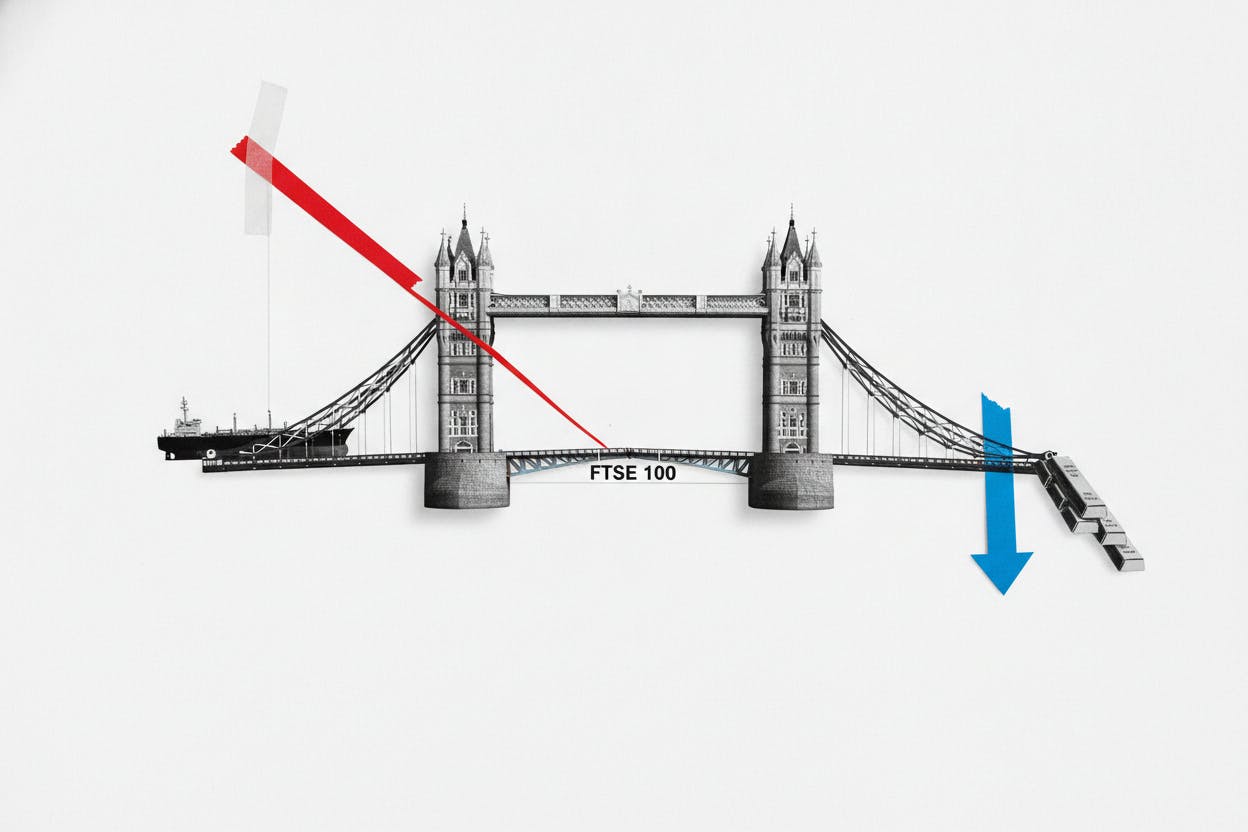
London's FTSE 100 index barely budged on Thursday, as a rise in energy stocks on fresh supply worries offset a 2.5% drop in precious metal miners ahead of the European Central Bank's (ECB) rate decision. The blue-chip index was down just 0.04% at 10,712.83 by 10:50 GMT, while the more domestically focused FTSE 250 fell 0.3%.
Oil Rises on Tanker-Attack Fears
Energy stocks were the standout gainers, driven by concerns over potential disruptions to oil supplies. Reports of tanker attacks in key shipping lanes have reignited fears of supply constraints, pushing crude prices higher. This is a familiar pattern for investors: geopolitical tensions in oil-producing regions often lead to short-term price spikes, as markets price in the risk of reduced output.
For the FTSE 100, which is heavily weighted toward oil majors like BP and Shell, such moves can provide a significant boost. However, the broader market remained cautious, with the index's overall flat performance reflecting the tug-of-war between energy gains and losses elsewhere.
Gold Miners Slip as Metal Eases
On the other side of the ledger, precious metal miners fell 2.5% as gold prices edged lower. Gold, often seen as a safe-haven asset, has been under pressure recently as expectations for higher interest rates weigh on its appeal. When rates rise, the opportunity cost of holding non-yielding assets like gold increases, making it less attractive to investors.
The decline in gold miners is a reminder of how sensitive these stocks are to movements in the underlying metal price. For everyday investors, this means that a position in a gold mining stock is effectively a leveraged bet on the direction of gold itself.
ECB Decision in Focus
The main event for markets on Thursday is the ECB's rate decision, due later in the day. The central bank is widely expected to hold rates steady, but investors will be watching closely for any signals on future policy moves. The ECB has been navigating a tricky environment: inflation remains above its 2% target, but the eurozone economy is showing signs of weakness.
Any hawkish surprise—such as a hint of further rate hikes—could strengthen the euro and put additional pressure on European stocks, including those in London. Conversely, a dovish tone might provide a lift to risk assets. For UK investors, the ECB's decision also has indirect implications, as it influences the broader European market sentiment and the pound's exchange rate.
What It Means for Investors
The FTSE 100's near-flat performance masks significant divergence beneath the surface. The index's heavy weighting in energy and mining stocks means it can be swayed by global commodity prices, even when the broader economic outlook is uncertain. For everyday investors, this highlights the importance of looking beyond headline index moves to understand what is driving them.
The gap between the FTSE 100 and the FTSE 250 is also telling. The FTSE 250, which includes more UK-focused companies, fell 0.3%, suggesting that domestic sentiment is weaker than the headline index suggests. This could reflect concerns about the UK economy, including sluggish growth and persistent inflation.
Looking ahead, investors will be watching for the ECB's decision and any commentary on the outlook for interest rates. In the meantime, the oil market remains a wild card, with any escalation in tanker attacks potentially driving energy stocks higher and adding to inflationary pressures.
For those with exposure to precious metal miners, the near-term outlook may depend on whether gold can stabilize. If the ECB signals a pause in rate hikes, that could provide some support for gold prices. But if the central bank maintains a hawkish stance, the metal—and the miners that dig it up—could face further headwinds.



