London's blue-chip index spent the morning treading water, with the FTSE 100 hovering around 10,731 as a sharp drop in oil prices weighed on heavyweight energy and healthcare stocks. The muted session came just days before the Bank of England is widely expected to raise interest rates by a quarter of a percentage point.
The divergence between the two main UK indices told the real story. While the FTSE 100 was flat, the more domestically focused FTSE 250 climbed 0.7%, reflecting a market that is increasingly split between global-facing giants and companies tied to the UK economy.
Oil slide hits energy and pharma
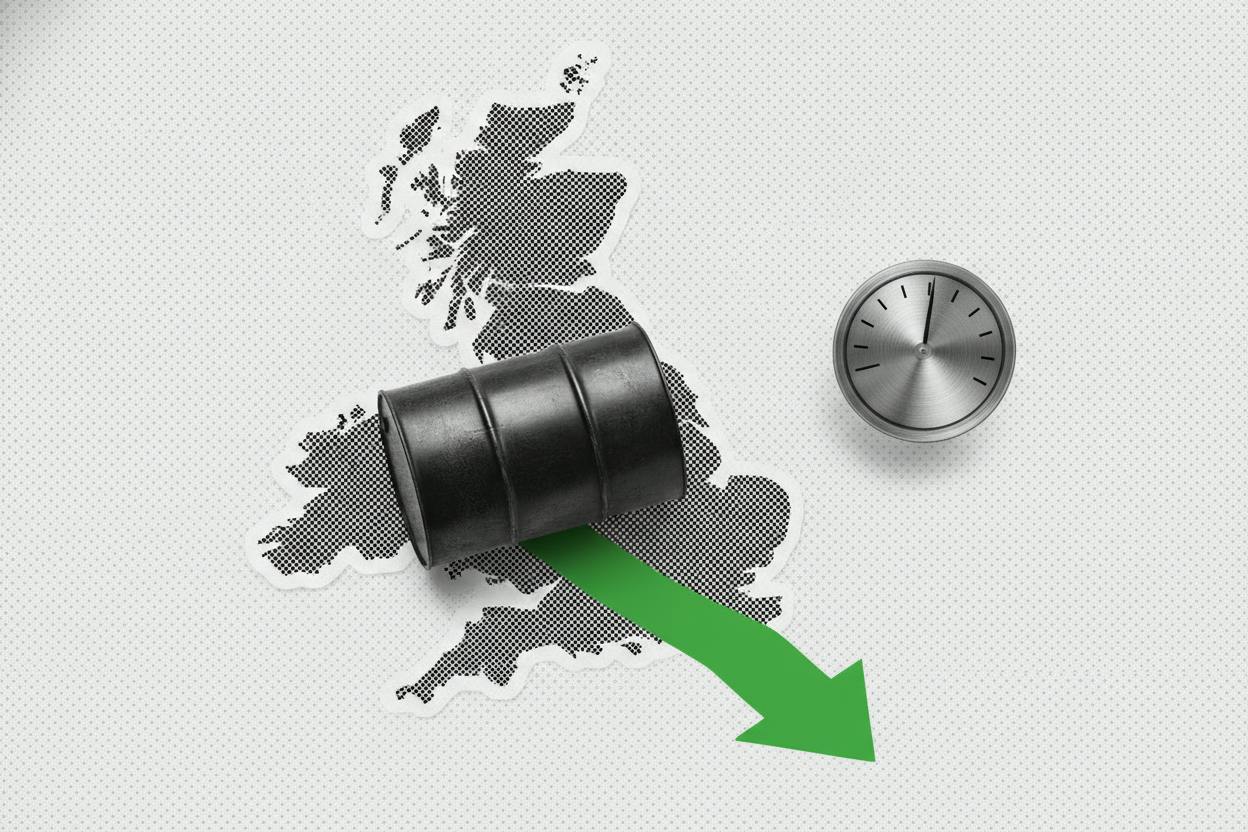
Brent crude fell more than 4% to around $108 a barrel, a sharp move that rippled through the energy sector. The sector dropped 1.2%, with BP among the biggest drags on the index. Healthcare also lost ground after a strong previous session, adding to the pressure on the FTSE 100.
But cheaper oil was a tailwind for other parts of the market. Aerospace and defense names, along with several consumer-facing groups, rose as investors welcomed the prospect of lower input costs. This 'risk-on' tone helped lift the FTSE 250, which is more heavily weighted toward UK domestic sectors.
The pattern is a familiar one for followers of the UK market. The FTSE 100 is dominated by large, globally oriented companies—energy producers, miners, and pharmaceuticals—whose fortunes are tied to commodity prices and international demand. The FTSE 250, by contrast, is a better barometer of the UK economy, with more exposure to banks, retailers, and housebuilders.
Bank of England decision in focus
The next catalyst for markets is the Bank of England's rate decision, due later this week. Traders are pricing in a 25-basis-point hike, which would take the benchmark rate higher as the central bank battles inflation.
Recent data has strengthened the case for tighter policy. September inflation came in hotter than expected, while separate figures suggested factories were enjoying their best output growth in more than two years. That combination—sticky price pressures and a resilient manufacturing sector—gives policymakers room to act.
For everyday investors, the rate decision matters because it affects borrowing costs on mortgages and loans, as well as the returns on savings accounts. A hike would likely push up the cost of variable-rate debt, while potentially offering slightly better rates on cash deposits.
What it means for investors
The day's trading is a reminder that broad indices can mask cross-currents. When oil drops as sharply as it did, investors typically mark down near-term profit expectations for large producers, because their cash generation is closely tied to the price they sell crude for. Since those companies carry heavy weight in the FTSE 100, a 1.2% decline in energy and a 1.5% fall in BP can outweigh gains elsewhere, leaving the headline index looking stuck.
At the same time, cheaper energy can ease cost pressures for businesses and households, which is why more UK-facing pockets of the market—and the midcap index—can benefit. This split is likely to persist as long as commodity prices remain volatile and the Bank of England's path remains uncertain.
Investors will be watching the rate decision closely, as well as any signals about the pace of future hikes. The central bank's tone could influence everything from the pound's value to the attractiveness of UK equities relative to other markets.
For those with a diversified portfolio, the lesson is that index-level moves can be misleading. The FTSE 100's flat performance hides significant variation beneath the surface, and the FTSE 250's rise shows that opportunities exist even when the headline index is stagnant.
As always, the key is to focus on the fundamentals of individual companies and sectors rather than getting caught up in daily index movements. The coming days will likely bring more clarity on both the rate path and the direction of oil prices, which should help investors position their portfolios accordingly.