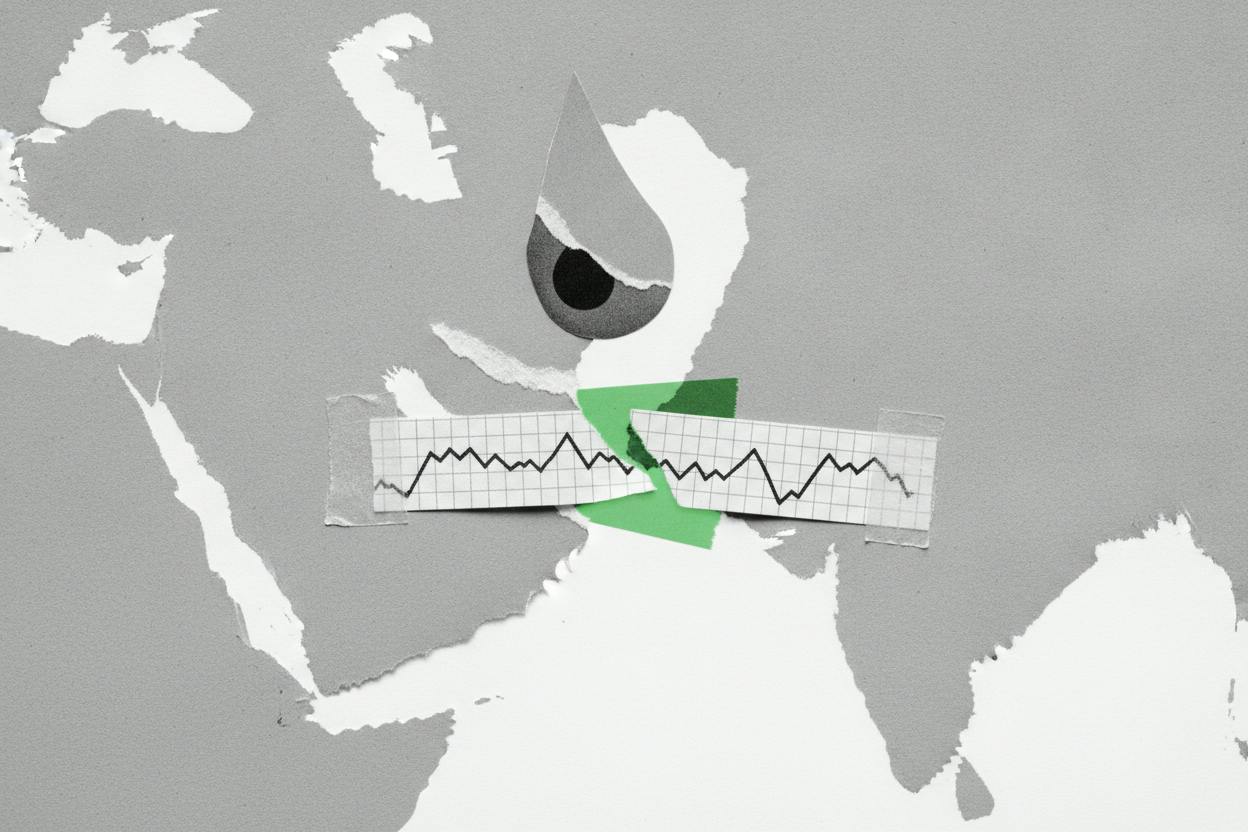
UAE stocks closed higher on Monday, buoyed by tentative signs that the Strait of Hormuz—a critical oil shipping route—might reopen soon, even temporarily. The optimism helped pull Brent crude down 4.5% to $108.325 a barrel, easing worries that a disruption in energy exports would hammer global markets.
The move came as investors tried to price two competing scenarios at once: the risk that the US-Iran conflict disrupts oil shipments, and the chance that diplomacy reduces that risk. According to Reuters, Iranian negotiators held a third straight day of talks with Qatari mediators in Doha on Sunday, though no agreement has been reached. Tehran has signaled it remains open to both "defence and diplomacy."
Why the Strait of Hormuz matters
The Strait of Hormuz is a narrow waterway between the Persian Gulf and the Gulf of Oman, through which roughly one-fifth of the world's oil passes. Any closure or threat of closure can send oil prices spiking because traders fear supply shortages. Conversely, news that the strait might reopen—even for a short period—can quickly calm those fears, as seen in Monday's drop in Brent.
For UAE markets, the strait is especially important. The UAE is a major oil exporter, and its economy is closely tied to energy prices. When oil prices fall, that can reduce government revenues and weigh on corporate earnings, but it also lowers input costs for many businesses. On Monday, the net effect was positive: both the Abu Dhabi and Dubai indexes closed higher, suggesting investors saw the diplomatic progress as a bigger plus than the drop in oil.
What investors are watching
The key question now is whether the talks in Doha lead to a concrete agreement. A two-day reopening plan, if implemented, would be a short-term measure, not a permanent solution. Investors will be watching for any official confirmation from Iran, Qatar, or the US, as well as any signs of escalation that could reverse Monday's gains.
Oil prices remain elevated compared with historical averages, and the risk premium from the conflict is still baked into the market. If diplomacy stalls, prices could rebound quickly. If a deal is reached, further declines are possible, which would likely support stock markets in oil-importing countries but could pressure energy exporters.
For everyday investors, the takeaway is that geopolitical events can create sharp swings in both oil and equities. While Monday's rise in UAE stocks is encouraging, it's based on tentative talks, not a done deal. Markets often overreact to headlines, so it's wise to focus on long-term fundamentals rather than day-to-day noise.
Broader market context
The UAE's move higher fits a pattern seen across the region and beyond. In Asia, stocks were cautious as oil slid and the US election neared, while Indian stocks and the rupee gained on the back of falling crude prices. European markets also slipped as oil declined, showing that the impact of energy prices is felt globally.
For oil-importing nations like India, cheaper crude is a clear positive—it reduces inflation and import bills. For the UAE, the picture is more mixed, but Monday's session suggests investors are betting that a de-escalation in the strait is good for the economy overall, even if it means lower oil revenues.
What it means for your money
If you hold UAE stocks or funds, Monday's gain is a reminder that geopolitical risk can move markets quickly. The drop in oil prices could benefit sectors like airlines, logistics, and consumer goods, which face lower fuel costs. On the other hand, energy companies and government-linked entities might see their earnings pressured if prices stay lower.
It's also worth noting that the situation remains fluid. The talks are ongoing, and no deal has been signed. Investors should be prepared for volatility in the coming days, as any news—positive or negative—could trigger sharp moves.
Ultimately, the best approach for most investors is to stay diversified and avoid making impulsive changes based on short-term headlines. The Strait of Hormuz story is a reminder that energy markets are sensitive to geopolitics, but it's just one factor among many that drive long-term investment returns.