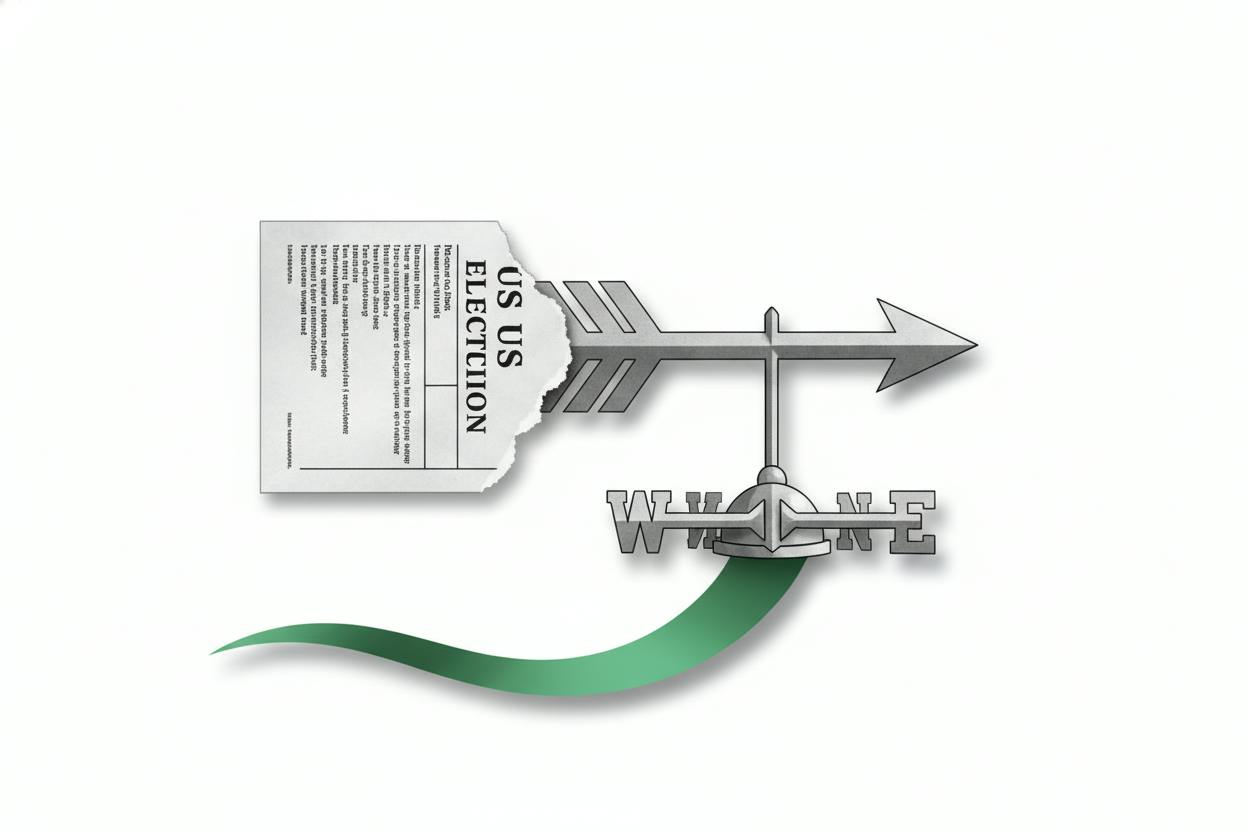
UK stocks are expected to open lower on Wednesday, with FTSE 100 futures pointing to a 0.5% decline at the start of trading. The move comes as investors digest the outcome of the US midterm elections and turn their attention to the latest US jobs report due later this week.
The dip is less about UK-specific news and more about global investors repositioning around US politics and the next big macroeconomic data point. The non-farm payrolls report is one of the most closely watched indicators in financial markets because it helps shape expectations for the Federal Reserve's next interest-rate decisions.
Why the US jobs report matters for UK stocks
The non-farm payrolls figure measures how many jobs the US economy added in the previous month, excluding farm workers and a few other categories. It is a key gauge of labour market health. When the number comes in stronger than expected, it often raises the odds that the Fed will keep interest rates higher for longer to cool inflation. A weaker reading can do the opposite, boosting hopes of rate cuts.
Those expectations tend to hit the US dollar first. A softer dollar can lift dollar-priced assets like gold, but it can be a headwind for parts of the UK market. Many FTSE 100 heavyweights earn a large share of their revenue overseas, so currency swings can change how those profits look once translated back into pounds.
When the dollar weakens, the pound often firms up. For a multinational company that reports in sterling, a stronger pound means that overseas earnings convert into fewer pounds, even if demand abroad hasn't changed. That can weigh on headline earnings and, in turn, on the index as a whole.
Mixed company news, but macro is steering
Company news was mixed on Wednesday. Barratt Redrow, one of the UK's biggest homebuilders, issued a cautious update, reflecting the tough housing market. Several other large firms announced cost-cutting and strategy shifts. But these individual stories were overshadowed by the macro forces at play.
Investors were also keeping an eye on how the US midterm results might shape policy. A divided Congress could limit the scope of new legislation, which has implications for sectors like technology and energy. Similar dynamics were visible in other markets, with Asian tech stocks sliding on concerns about AI spending, and copper slipping as traders stayed cautious.
What it means for investors
For everyday investors, the FTSE 100's 0.5% dip is also a currency signal. If the dollar weakens after the jobs report, the pound could strengthen, which might make UK blue chips look less attractive in the short term. But that doesn't mean the underlying businesses are struggling—it's often just a translation effect.
In these moments, more UK-focused shares can sometimes look relatively steadier than the globally exposed blue chips that dominate the FTSE 100. That's because their earnings are less affected by currency swings. Investors who want to reduce currency risk might look at domestically oriented companies, though it's always wise to consider the broader economic backdrop.
The jobs report is due later this week, and it could set the tone for global markets into the weekend. If the data surprises, expect the dollar to move, and with it, the FTSE 100. As always, the key is to stay informed and not overreact to single-day moves.