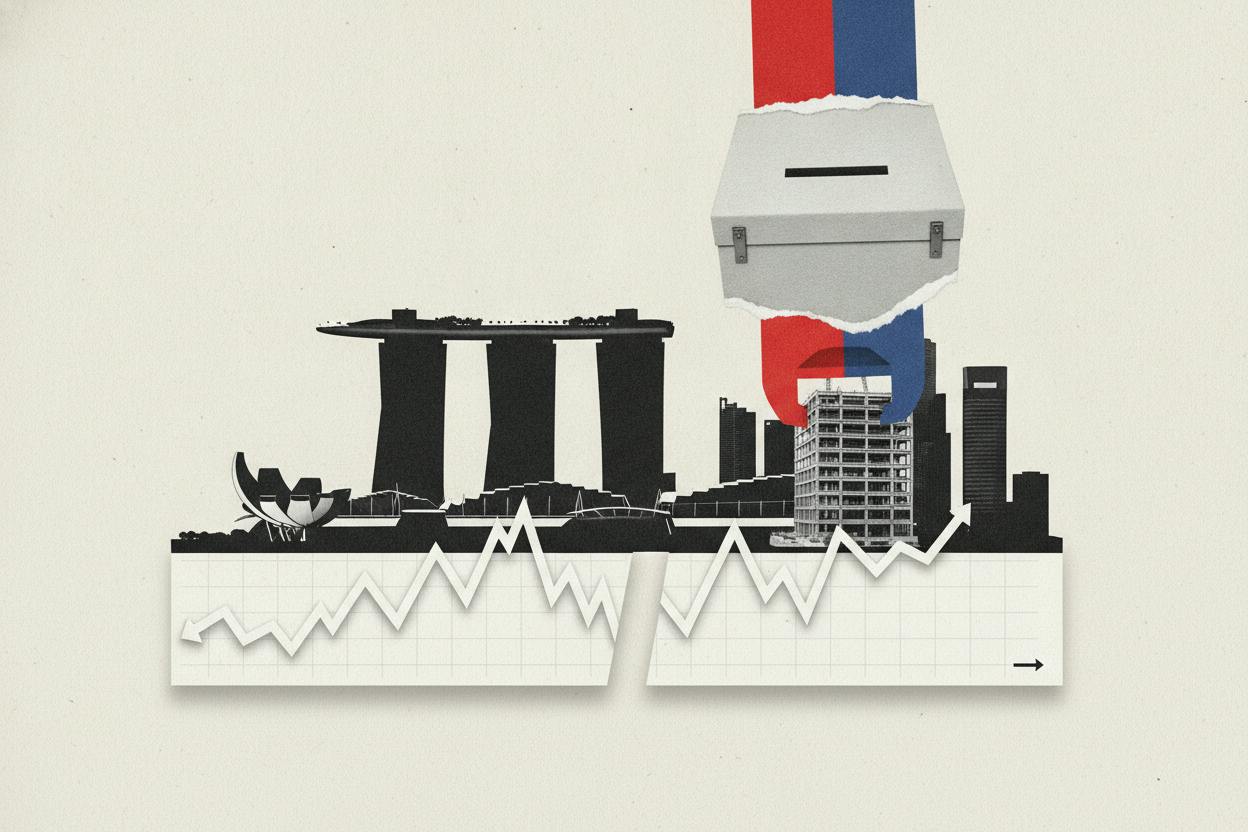
Singapore stocks ended the session essentially unchanged, with the Straits Times Index (STI) slipping just 0.01% to 5,268.63. The index spent the day swinging between 5,192.31 and 5,276.09, a classic 'wait-and-see' performance as investors digested the outcome of the US midterm elections and what a more regulation-minded Washington could mean for global markets.
The muted move came as traders weighed the possibility that a Democratic-led Congress could push for tougher oversight in sectors like technology and infrastructure. For Singapore-listed companies with exposure to large building projects—particularly data centers—stricter US rules could mean longer approval timelines and higher compliance costs.
Midterm fallout ripples through Asia
The midterm results have been a key driver across Asian markets this week. In Japan, stocks slipped before steadying as a softer tone from President Trump unwound some hedges, while New Zealand equities edged higher on bets that tighter tech regulation could follow. The broader picture is one of uncertainty, with investors trying to gauge how a divided or unified US government might shape trade, tax, and regulatory policy.
For Singapore, the concern is less about direct exposure to US politics and more about the knock-on effects. Many Singapore-listed firms operate regionally but rely on US capital, technology, or regulatory approvals. A tougher stance on data privacy, for example, could raise costs for companies running data centers in the region. Similarly, stricter environmental reviews could delay projects that depend on US financing or equipment.
That kind of policy uncertainty doesn't just slow projects—it can stretch timelines, keep capital tied up, and make it harder for companies to commit to new investments. For investors, it means earnings forecasts may need to be adjusted for potential delays, even if the underlying business remains sound.
Bright spots: The Hour Glass and Acrophyte Hospitality Trust
While the index barely moved, a couple of names stood out. The Hour Glass, a luxury watch retailer, jumped after reporting stronger results. The company has benefited from robust demand for high-end timepieces, a segment that has remained resilient even as consumer spending in other areas cools.
Acrophyte Hospitality Trust, which owns a portfolio of hotels, also rose on the back of improved earnings. The trust has been helped by a recovery in travel and tourism, particularly in Asia, as borders reopen and business travel picks up. For investors, these gains highlight that stock-specific fundamentals can still drive returns even when the broader market is flat.
What it means for investors
For everyday investors, the key takeaway is that political events abroad can have a real impact on local portfolios, even if the immediate move is small. The STI's near-flat close suggests the market is not panicking, but it's also not ready to push higher until there's more clarity.
Investors should watch how US regulatory debates evolve, especially around technology and infrastructure. Companies with significant US exposure—either through sales, supply chains, or regulatory approvals—could see their shares react more sharply to headlines. On the other hand, domestically focused names like retailers and hospitality trusts may be less affected, as today's movers show.
It's also worth remembering that midterm elections historically lead to periods of volatility, but the long-term impact on markets is often limited. The US economy and corporate earnings tend to drive returns over time, not political shifts alone.
For now, the STI's tight range suggests investors are comfortable holding positions but not adding aggressively. That could change quickly if Washington signals a clear direction on regulation, or if upcoming economic data—such as jobs numbers—gives markets a fresh catalyst.
In the meantime, the focus for Singapore investors remains on company earnings and regional trends. As seen with The Hour Glass and Acrophyte, strong results can still lift shares even in a sideways market. The trick is to separate the noise of politics from the signal of fundamentals.