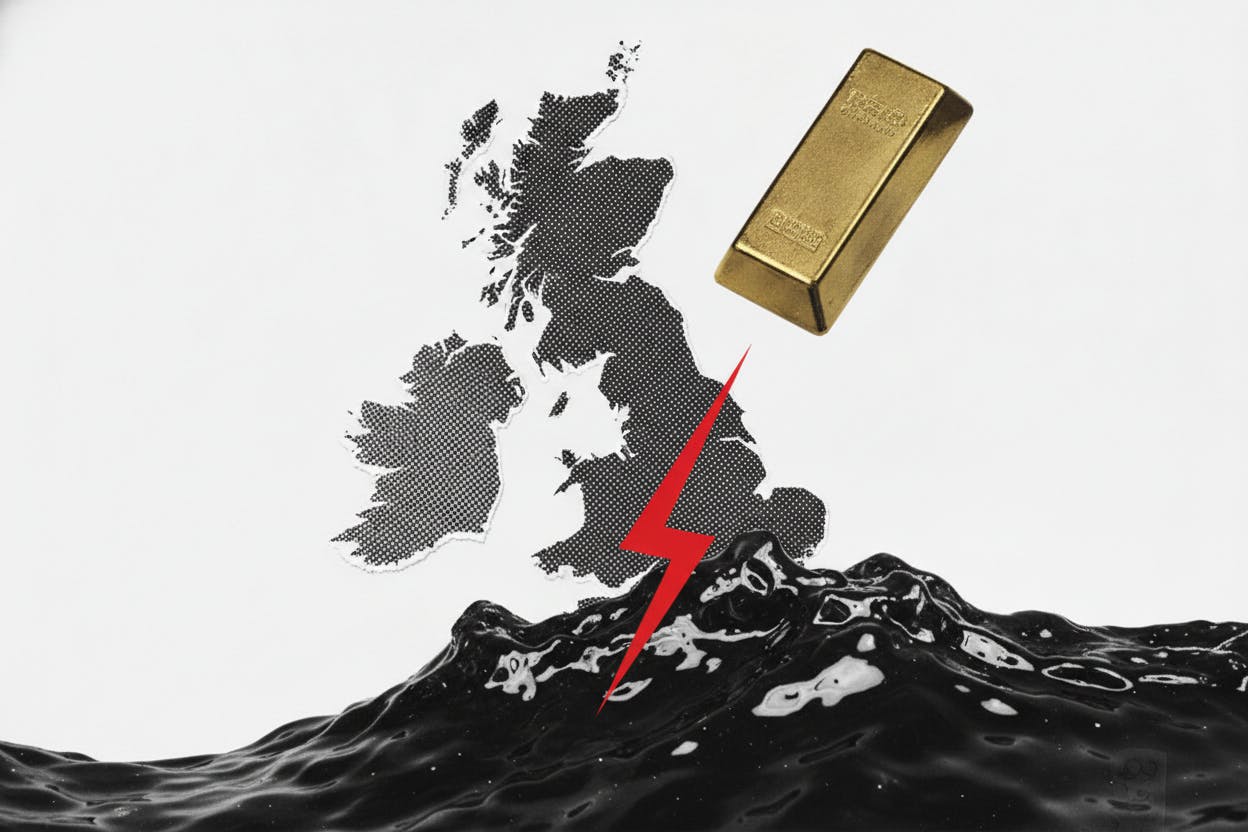
London's FTSE 100 index slipped at the open on Wednesday, edging about 0.3% lower as a fresh flare-up between Iran and the United States pushed oil prices higher. The geopolitical tension weighed on investor sentiment, even as a flurry of takeover activity kept traders busy on the company-specific front.
Oil Rises on Iran-US Escalation
Crude oil prices climbed after US President Donald Trump reimposed a naval blockade on Iranian ports and Tehran struck US infrastructure in the region. This escalation threatens to disrupt oil supplies from the Middle East, a key producing region, and typically revives inflation worries. When energy costs rise, they can feed through to higher prices for goods and services, muddying the outlook for interest rates.
For everyday investors, higher oil prices can mean higher costs at the pump and for heating, but they also complicate the picture for central banks. The Bank of England and the Federal Reserve have been trying to bring inflation down, but a sustained oil spike could make that task harder, potentially delaying interest rate cuts. That's why markets are watching this closely.
The impact showed up in other commodities too. Gold slipped after a more than 2% jump the prior session, suggesting that the interest-rate story can matter as much as the usual 'safe-haven' bid. When oil shocks push up inflation expectations, investors often anticipate higher interest rates, which makes non-yielding assets like gold less attractive. Meanwhile, copper edged higher after a softer-than-expected US inflation print improved the growth mood, signaling that demand for industrial metals remains tied to economic optimism.
Takeover Talk: DCC and Workspace Group
On the corporate front, deal headlines added another layer of activity. Bloomberg News reported that DCC, a sales, marketing, and support services group, is close to accepting a £5.7 billion approach from a consortium led by KKR, a private equity firm, and Energy Capital Partners, an energy-focused investment company. This would be one of the larger UK takeovers this year, and it highlights the continued appetite from private equity for London-listed companies that may be undervalued.
For investors, takeover bids often signal that a company's shares are worth more than the current market price, which can provide a short-term boost. However, deals can also fall through due to regulatory hurdles or shareholder pushback, as seen in other recent cases. The DCC board is reportedly nearing a decision, and shareholders will be watching for the final terms.
Separately, Saba Capital, a US hedge fund, became Workspace Group's largest shareholder, stepping up pressure for strategic changes. Workspace Group is a real estate investment trust (REIT) that provides flexible office space in London. Saba Capital has been building its stake and is now close to a trigger that could force a takeover offer. This activist approach is common in markets where investors believe management can unlock more value.
What It Means for Investors
The combination of geopolitical risk and corporate dealmaking creates a mixed picture for the FTSE 100. On one hand, rising oil prices can boost energy stocks like BP and Shell, which are heavyweights in the index. On the other hand, broader inflation fears can weigh on sectors like retail and housing, which are sensitive to interest rates.
Investors should note that gold's slip after a 2% pop shows that oil shocks can drown out the safe-haven trade. When oil rises on geopolitical disruptions, markets often start penciling in stickier inflation. That can push expectations for US interest rates higher, lifting the return investors can get from cash and government bonds. Since gold doesn't pay interest, it can look less appealing as those yields rise, even if the headlines feel riskier. In other words, a single oil-driven scare can both increase demand for protection and, at the same time, raise the 'cost' of holding bullion.
Looking ahead, markets will be watching for further developments in the Iran-US situation and any official confirmation of the DCC deal. The FTSE 100's direction will likely depend on whether oil prices stabilize or continue to climb, and whether corporate activity can offset macro headwinds.



