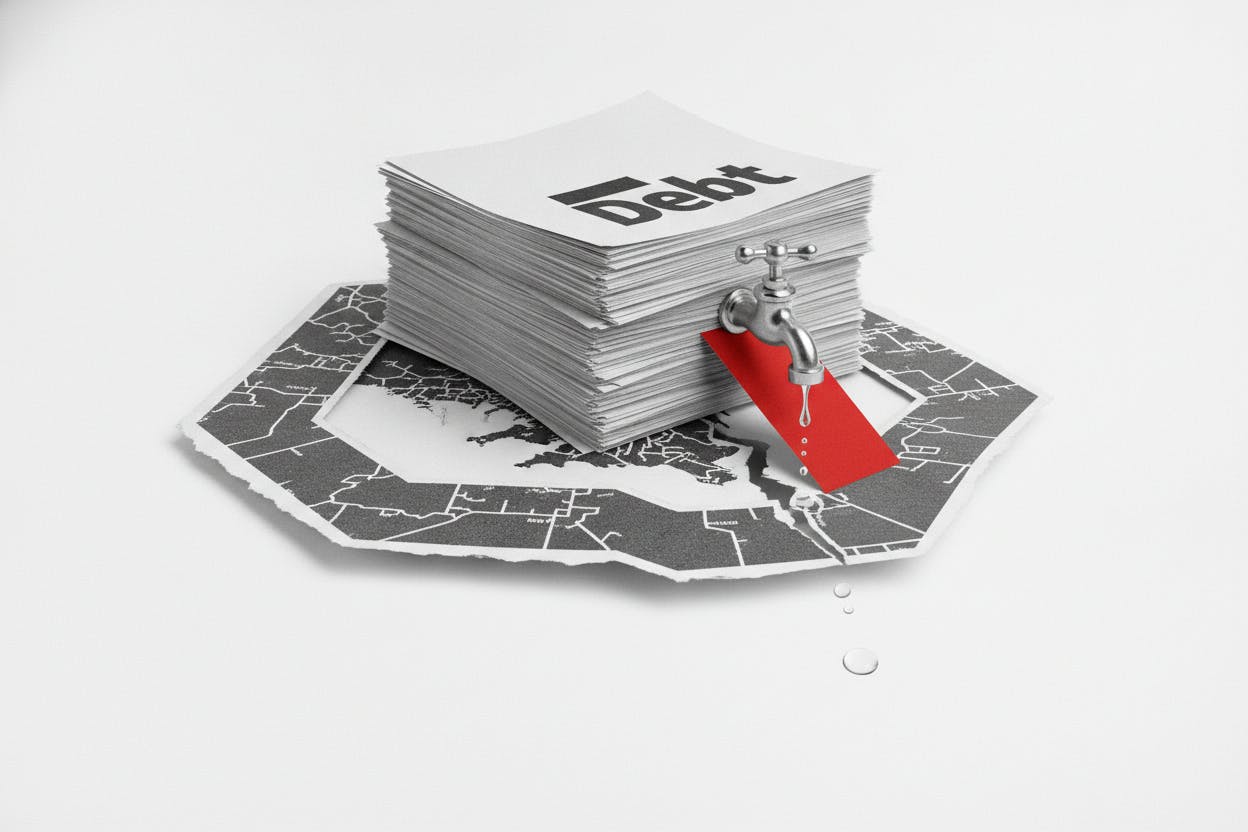
Thames Water, the UK's largest water utility, said it has enough cash to keep operating until late 2026, but warned that without a recapitalization deal it could still end up under temporary state control. The company, which supplies water and wastewater services to about 16 million customers, is weighed down by roughly £20 billion of debt and years of criticism over sewage spills tied to aging infrastructure.
In its latest update, Thames Water pointed to an 18% drop in sewage pollution in the 12 months to the end of March and reported underlying profit. However, the company stressed that a recapitalization deal is its only path to avoid nationalization, as it struggles to service its massive debt load.
What's the Background?
Thames Water has been under intense financial pressure for years. The utility's debt pile, built up through years of borrowing and dividend payments to shareholders, has made it difficult to invest in infrastructure upgrades. This has led to frequent sewage spills and regulatory fines, damaging its reputation and raising questions about its long-term viability.
The company's warning comes as it seeks to secure a recapitalization deal with creditors. Earlier this year, Thames Water creditors offered a £6.85 billion rescue package to avert collapse, but the terms of that deal are still being negotiated. Without such a deal, the UK government could step in and temporarily nationalize the utility, a move that would have significant implications for investors and customers alike.
What It Means for Investors
For everyday investors, the situation at Thames Water is a cautionary tale about the risks of investing in heavily indebted utilities. While water companies are often seen as stable, defensive investments due to their essential services and regulated returns, high debt levels can make them vulnerable to rising interest rates and regulatory pressure.
If Thames Water were to be nationalized, shareholders could be left with little or no compensation, as the government would likely take control of the company's assets and operations. This would be a worst-case scenario for bondholders and equity investors alike.
On the positive side, the company's 18% reduction in sewage pollution shows that it is making some progress on environmental issues, which could help improve its standing with regulators and the public. However, the financial challenges remain severe, and the outcome of the recapitalization talks will be critical.
Broader Market Context
The Thames Water saga is part of a broader trend in the UK water sector, where several utilities are struggling with high debt and aging infrastructure. The sector is heavily regulated, with price caps set by Ofwat, the industry regulator. These caps limit how much companies can charge customers, making it harder to generate the cash needed for investment.
Investors should also consider the macroeconomic backdrop. Rising interest rates have increased the cost of servicing debt for all companies, but utilities are particularly sensitive because they typically carry large debt loads. If rates remain high, more utilities could face similar pressures.
For those looking at the broader market, the situation at Thames Water highlights the importance of analyzing a company's balance sheet before investing. Even seemingly stable sectors like water can have hidden risks.
What to Watch Next
The key event to watch is the outcome of the recapitalization talks between Thames Water and its creditors. If a deal is reached, it could provide a lifeline for the company and avoid nationalization. If not, the UK government may have to step in, which could set a precedent for other struggling utilities.
Investors should also keep an eye on regulatory developments. Ofwat's next price review could affect how much Thames Water can charge customers, which in turn would impact its ability to generate cash and service debt.
Finally, the company's environmental performance will remain in the spotlight. While the 18% reduction in sewage pollution is a positive step, Thames Water still faces significant challenges in upgrading its infrastructure and meeting regulatory targets.



