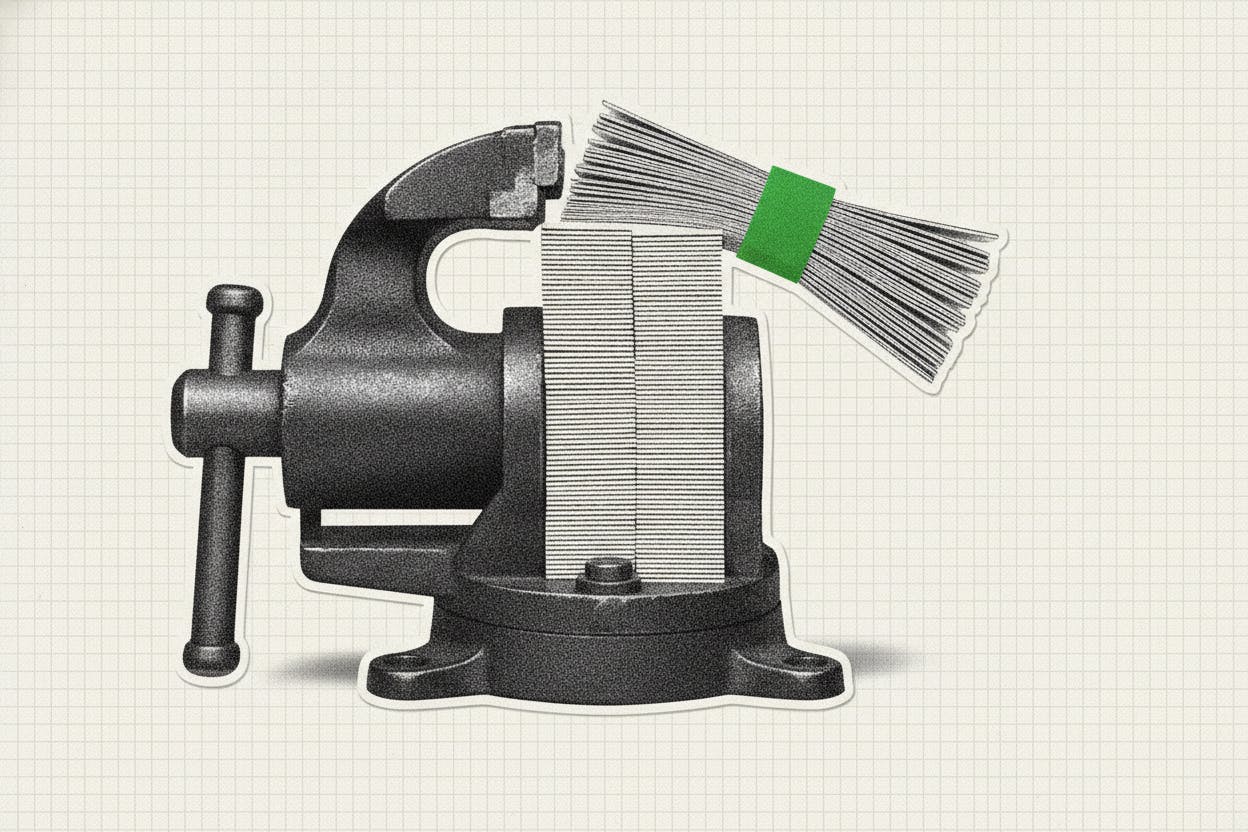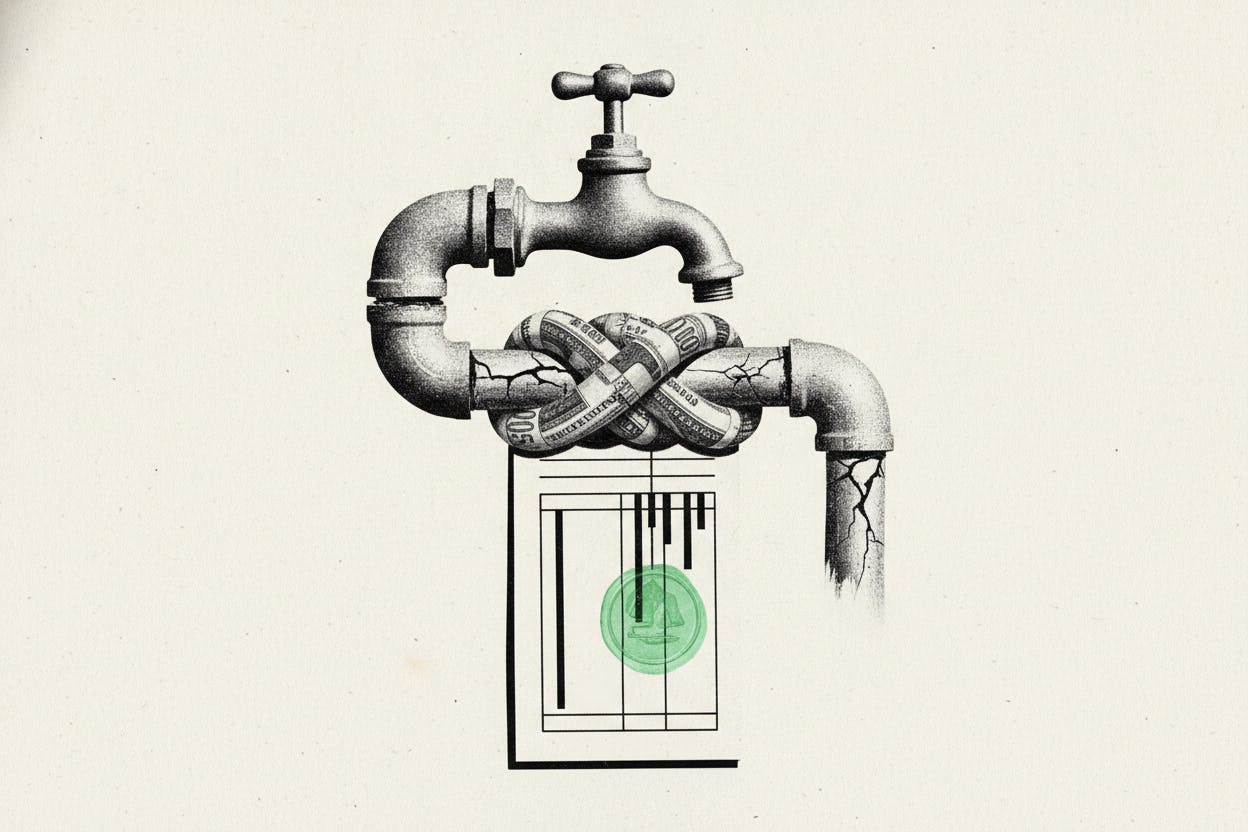
Thames Water, the UK's largest water utility, is facing a critical juncture as its biggest lenders step in with a £6.85 billion rescue package. According to Sky News, the creditor group is drawing up a plan that includes £3.35 billion in new equity and £3.5 billion in new debt, along with a commitment to provide additional funding over the next 12 months. The move is aimed at keeping the company afloat and reassuring auditors that it can continue as a going concern.
What's in the Rescue Package?
The proposed lifeline comes as Thames Water struggles under a massive debt pile of roughly £20 billion. The creditor group, which holds most of that debt, is offering a comprehensive solution. A key component is a creditor "comfort letter" designed to convince the company's auditor that Thames Water can operate as a going concern ahead of a July 15 accounts deadline. Without such a sign-off, suppliers, customers, and regulators could lose confidence in the utility's ability to meet its obligations.
In addition to the immediate funding, the lenders have agreed to a no-dividends commitment until the 2030s. This means shareholders will not receive any payouts for years, as the company focuses on stabilizing its finances and investing in infrastructure.
Why Does This Matter?
Thames Water provides water and wastewater services to about 15 million customers in London and the Thames Valley. Its financial troubles have been a growing concern for regulators and the UK government, as a collapse could disrupt essential services and hit the broader economy. The rescue package is seen as a way to avoid a messy restructuring or nationalization, which would be costly for taxpayers.
The situation also highlights the challenges facing UK utilities, which have accumulated significant debt while under pressure to invest in aging infrastructure and meet environmental targets. The broader economic backdrop, including high interest rates and inflation, has made it harder for such companies to service their debt.
What It Means for Investors
For everyday investors, the Thames Water saga is a reminder of the risks in utility stocks and bonds. Utilities are often seen as safe, defensive investments because they provide essential services and generate steady cash flows. However, high debt levels can make them vulnerable to rising interest rates and regulatory changes.
If you hold bonds or shares in Thames Water's parent company, this rescue package could provide some short-term stability, but the no-dividends commitment means equity investors may not see returns for years. Bondholders, on the other hand, might benefit from the new debt and equity injection, which could improve the company's creditworthiness.
Investors should also watch for regulatory developments. The UK water regulator, Ofwat, has been pushing for stricter oversight and lower customer bills, which could squeeze profits further. The rescue plan may give Thames Water breathing room, but long-term profitability depends on its ability to cut costs and invest efficiently.
Broader Market Context
The Thames Water rescue comes amid a period of volatility in global markets. While the energy sector has seen rallies and AI chip startups are raising billions, traditional infrastructure companies like water utilities face headwinds from debt and regulation. The IMF's recent cut to global growth forecasts underscores the uncertain economic environment, which could affect all sectors.
For now, the focus is on whether the Thames Water rescue plan will win approval from creditors, regulators, and the company's board. If it does, it could set a precedent for how other highly indebted utilities navigate similar challenges.