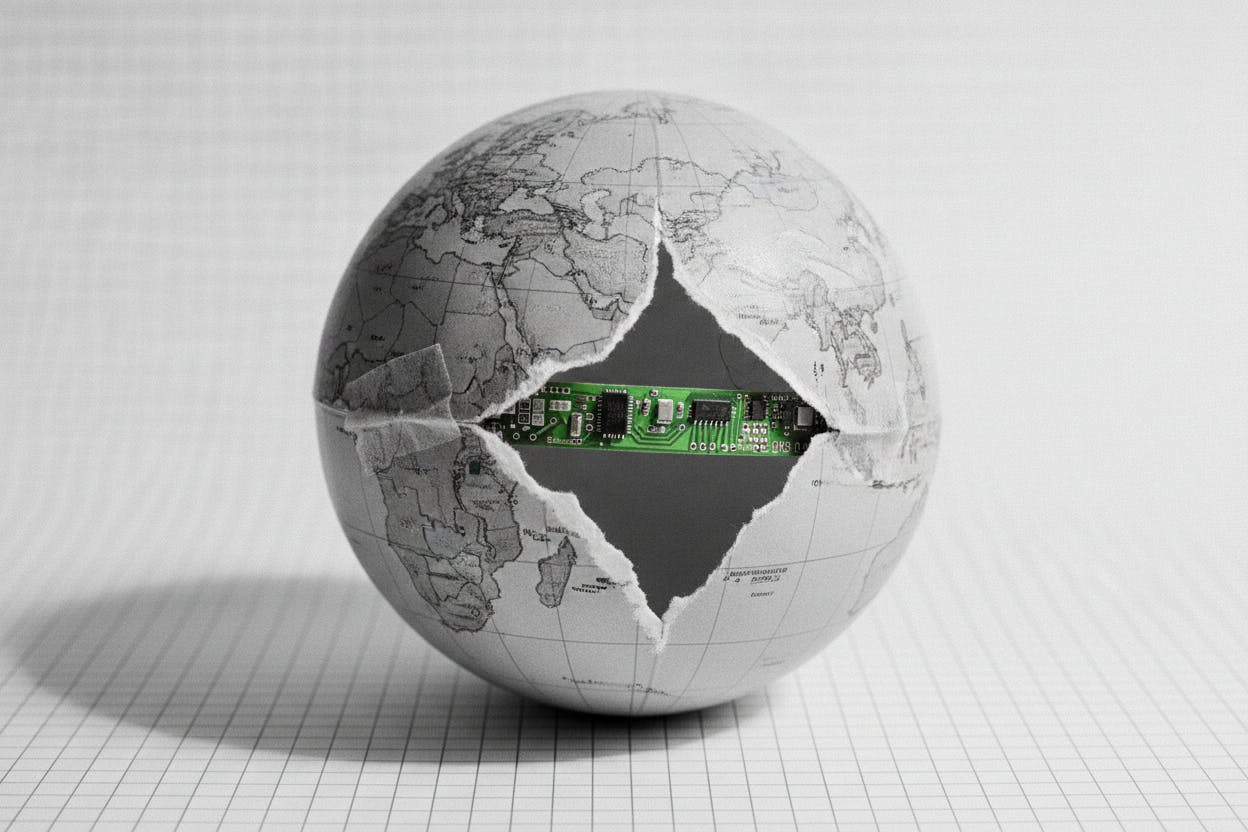
The International Monetary Fund (IMF) has revised down its global economic growth forecast for 2026, now projecting the world economy will expand by 3.0% that year. The downgrade, announced in the IMF's latest World Economic Outlook, reflects ongoing disruptions from the Middle East conflict, which are weighing on trade routes and energy markets. However, the fund noted that a robust technology upcycle fueled by artificial intelligence (AI) is partially offsetting the drag.
What's behind the downgrade?
The IMF's 3.0% forecast for 2026 is a modest trim from its previous projection. The primary culprit is the war in the Middle East, which has disrupted key shipping lanes and raised energy price volatility. These disruptions increase costs for businesses and consumers, slowing global trade and economic activity. At the same time, geopolitical uncertainty can dampen business investment and consumer confidence.
However, the IMF also highlighted a countervailing force: a strong AI-driven technology cycle. Investment in AI infrastructure, software, and services is boosting productivity and growth in several major economies, particularly in the tech sector. This dynamic is helping to cushion the broader economic impact of the Middle East disruptions. For context, the global economy has been navigating a period of high inflation, rising interest rates, and uneven recovery from the pandemic, making the current outlook particularly fragile.
Broader economic context
The IMF's updated forecast comes amid a complex global backdrop. Central banks in the US, Europe, and elsewhere have been raising interest rates to combat inflation, a process that typically slows economic growth. Meanwhile, the oil surge and tech selloff have rattled markets, adding to volatility. The IMF's projection suggests that while the global economy is not heading into a recession, growth will remain below historical averages.
The AI boom has been a bright spot. Companies across sectors are investing heavily in AI capabilities, from data centers to advanced algorithms. This has boosted stock prices for tech firms and spurred job creation in related fields. However, the benefits are not evenly distributed, and some regions may lag behind. For example, Chinese AI startups are challenging global leaders, indicating that the tech cycle is a global phenomenon, but its economic impact varies by country.
What it means for investors
For everyday investors, the IMF's downgrade is a reminder that geopolitical risks remain a key factor in market performance. The Middle East conflict could continue to disrupt energy supplies, keeping oil prices elevated. This may benefit energy stocks but could hurt sectors that rely on stable fuel costs, such as airlines and shipping. The recent oil rally has already lifted some stock indexes, like Canada's TSX, while weighing on tech shares.
On the other hand, the AI-driven tech cycle offers opportunities. Companies that are leaders in AI development or adoption may see stronger earnings growth, which could support their stock prices. However, investors should be cautious about valuations, as some tech stocks have already priced in high expectations. Diversification remains important: a portfolio that includes both energy and tech exposure can help balance the risks and rewards from these competing forces.
The IMF's forecast also underscores the importance of monitoring central bank policies. If the AI boom fuels inflation, central banks may keep interest rates higher for longer, which could slow growth further. Conversely, if the Middle East disruptions ease, the global economy could get a boost. Investors should watch for updates on trade negotiations, ceasefire agreements, and AI investment trends.
Looking ahead
The IMF's 3.0% growth forecast for 2026 is a cautious outlook, but it is not a disaster. It suggests that the global economy will continue to expand, albeit at a moderate pace. The interplay between geopolitical shocks and technological progress will be a defining theme for markets in the coming years. For now, the IMF is betting that AI's positive impact will help offset some of the damage from the Middle East conflict, but the balance remains delicate.
As always, investors should stay informed and avoid making impulsive decisions based on a single forecast. The IMF's projections are just one input among many, and actual outcomes will depend on how events unfold. Keeping a long-term perspective and a diversified portfolio is the most reliable strategy for navigating uncertain times.