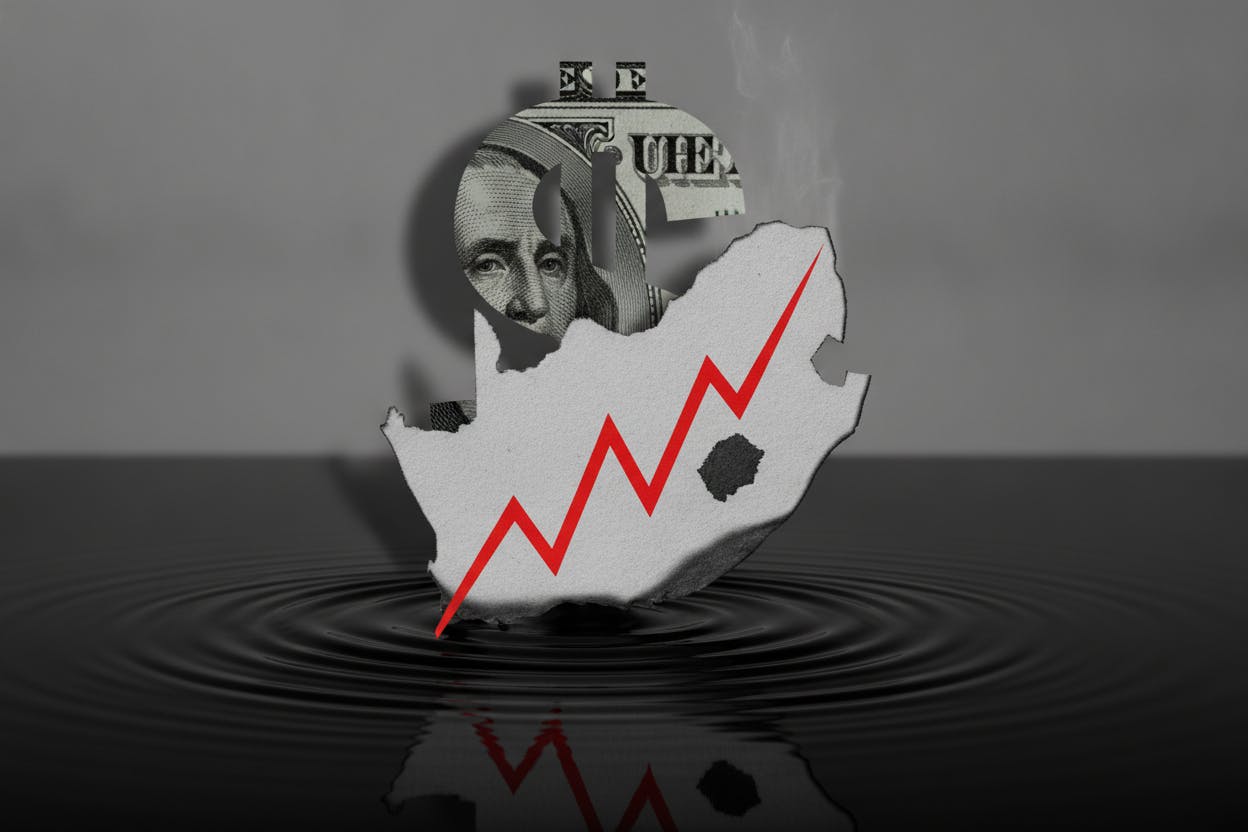
Global markets are facing a turbulent session on Wednesday as a cocktail of geopolitical risk, rising bond yields, and a tech selloff creates a challenging environment for investors. South Africa, in particular, is bracing for a bumpy day, with local markets expected to feel the ripple effects from overseas turmoil.
Oil Jumps on Middle East Tensions
The immediate trigger for the market stress is escalating tension in the Middle East. Oil prices have climbed sharply as conflict in the region and tighter U.S. pressure on Iranian crude exports raise fears of supply disruptions. For everyday investors, higher oil prices can mean higher costs at the pump and increased input costs for companies, which can eat into profits and potentially slow economic growth.
This is not an isolated move. The energy market has been sensitive to geopolitical headlines for weeks, and the latest spike adds to a broader trend of volatility. As we reported in Oil Jumps 2% as US-Iran Tensions Rattle Markets, Bonds Sell Off, similar dynamics have played out recently, with investors fleeing to safe havens.
Bonds Sell Off, Yields Rise
Alongside the oil surge, government bonds are selling off, pushing yields higher. When bond prices fall, yields rise, and this move reflects investors demanding higher compensation for holding longer-term debt. Rising bond yields can be a double-edged sword: they signal expectations of stronger economic growth or higher inflation, but they also make borrowing more expensive for companies and consumers.
For South Africa, a country with a large debt load and a currency sensitive to global risk sentiment, higher global yields add pressure. The local rand often weakens when global investors become risk-averse, which can fuel imported inflation and complicate the central bank's policy decisions.
Tech Stumbles: AI Rally Loses Steam
Adding to the market's woes, the technology sector is taking a hit. The Nasdaq composite fell as chipmaker Micron Technology and other semiconductor stocks slid. This is a sign that the confidence in the AI-driven rally, which has powered much of the market's gains this year, is becoming more selective. Investors are questioning whether the lofty valuations in some tech names are justified, especially as interest rates remain elevated.
The tech selloff is not just a U.S. story. It has global implications, as seen in South Korea's KOSPI Swings Wildly as Chip Jitters and ETF Concerns Collide. South Korea's market, heavily weighted toward semiconductor giants, has been particularly volatile. The current weakness in U.S. tech stocks could spill over into Asian markets, including South Africa's own tech and industrial sectors.
Investors Eye the Fed's June Minutes
Amid all this, traders are waiting for the release of the Federal Reserve's June meeting minutes. The minutes will provide a detailed look at the central bank's thinking on interest rates, inflation, and the economy. Any hints that the Fed is leaning toward keeping rates higher for longer could further rattle markets, as higher rates tend to depress stock valuations and increase borrowing costs.
For South African investors, the Fed's stance is crucial. A more hawkish Fed typically strengthens the U.S. dollar, which puts pressure on emerging market currencies like the rand. It also reduces the appeal of higher-yielding assets in countries like South Africa, as investors can get better risk-adjusted returns in the U.S.
What It Means for Investors
For everyday investors, this is a reminder that markets can turn quickly on a mix of geopolitical and economic news. The key takeaway is that volatility is likely to persist. Diversification remains important: having exposure to different asset classes—stocks, bonds, commodities, and cash—can help cushion against sharp moves in any one area.
Investors should also pay attention to the energy sector. Higher oil prices can benefit energy stocks but hurt sectors like airlines and consumer goods. Meanwhile, the tech selloff suggests that not all stocks are created equal, and it pays to look at valuations and earnings prospects rather than chasing the latest trend.
Finally, the upcoming Fed minutes will be a critical event. They could either calm markets if they show a patient Fed, or add to the anxiety if they signal more rate hikes ahead. Either way, staying informed and avoiding knee-jerk reactions is the best strategy.
As we've seen in Oil Jumps 2.7% After US Strikes Iran, Stocks and Bonds Wobble on Inflation Fears, such events can have lasting effects. For now, South Africa and other emerging markets are in for a bumpy ride.