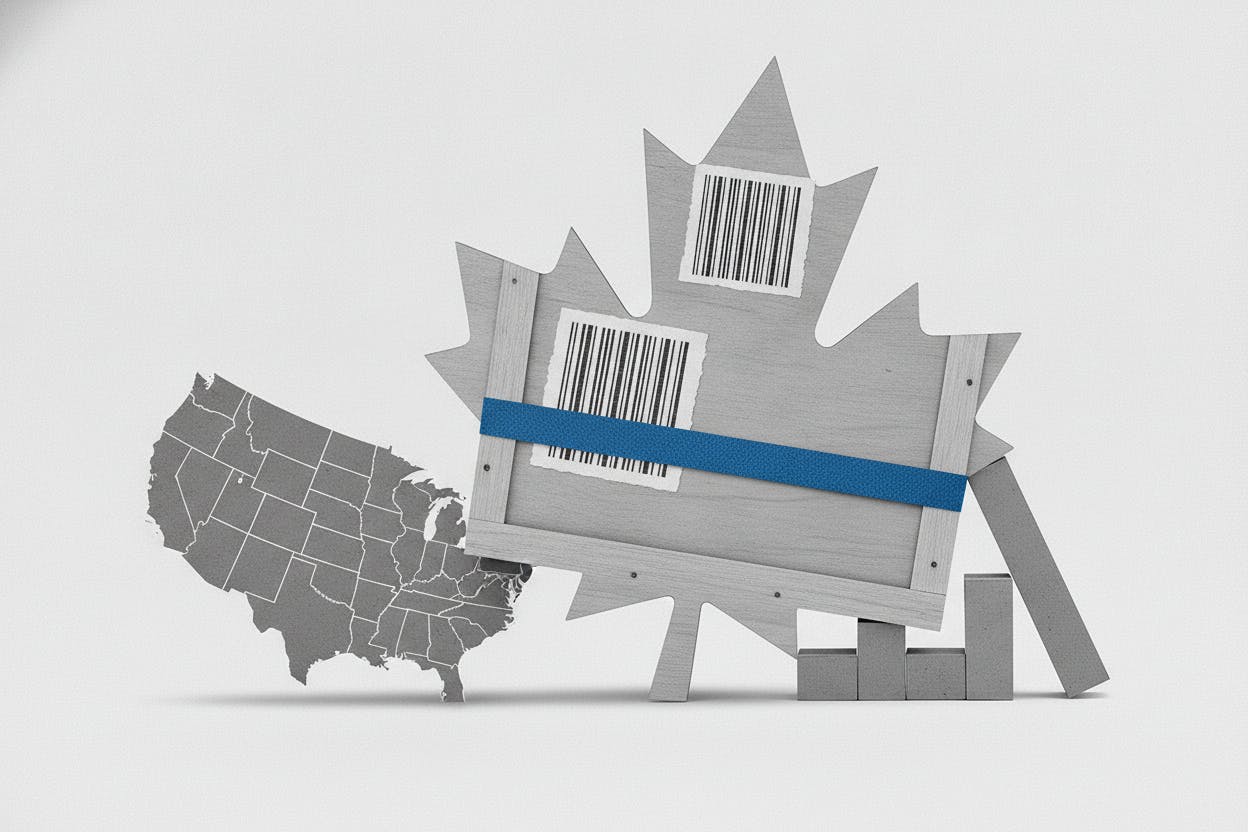
Canada's long-standing effort to sell more goods beyond the United States is finally showing up in the numbers. According to BMO Capital Markets, the US share of Canada's exports has fallen to about 68% so far this year, down sharply from 76% in 2024. The data suggests that trade diversification—spreading exports across more countries—is gaining real traction.
What the Data Shows
BMO, one of Canada's largest banks, highlighted the shift after Canada released its latest merchandise trade figures. The bank noted that while exports to the US have picked up recently, helped by an earlier rise in oil prices, they are only modestly above levels seen in 2024. In contrast, exports to other destinations have grown more quickly, pulling down the US share.
Canada's merchandise trade surplus—the difference between what it sells abroad and what it buys—has also been a bright spot. The country posted a surplus in recent months, driven by strong energy exports and a broader push to find new customers. For context, a trade surplus means Canada is selling more than it imports, which can support the Canadian dollar and overall economic growth.
Why Trade Diversification Matters
For decades, Canada has been heavily dependent on the US market, which historically absorbed about three-quarters of its exports. That concentration has long been seen as a vulnerability. If the US economy slows or trade tensions rise, Canada's exporters feel the pain quickly. Diversification—selling to Europe, Asia, and other regions—reduces that risk.
BMO's Chief Economist Douglas Porter described the shift as real progress on trade diversification. The bank's analysis suggests that Canadian companies are increasingly finding buyers in markets like China, the European Union, and other parts of Asia. This aligns with broader trends: Canadian exporters have been actively seeking new opportunities, particularly as global supply chains evolve.
Related reading: China's Auto Sales Slump Continues as Exports Surge 82% in June
What It Means for Investors
For everyday investors, this shift is worth watching. A less US-dependent export base could make Canada's economy more resilient. If the US economy faces headwinds—such as a slowdown or trade disputes—Canadian exporters with diversified customer bases may be better positioned to weather the storm.
Investors in Canadian stocks, particularly in sectors like energy, manufacturing, and agriculture, should pay attention. Companies that have successfully expanded into new markets may see more stable revenue streams. On the flip side, firms still heavily reliant on US sales could face greater risk.
The broader economic backdrop also matters. Canada's trade surplus has been supported by strong oil prices, which boost export values. However, if oil prices fall, the surplus could shrink. Diversification helps, but it doesn't eliminate commodity price risk.
For context, Canada's trade performance has been a key driver of the Canadian dollar. A stronger trade surplus often supports the loonie, while a widening deficit can weigh on it. As BMO notes, the diversification trend could have implications for currency markets as well.
Related reading: Canada's Trade Surplus Hits Four-Year High as Oil Rally Lifts the Loonie
What to Watch Next
Investors should keep an eye on upcoming trade data to see if the trend continues. Key questions include: Will Canada's exports to non-US markets keep growing? How will global demand evolve, especially from China and Europe? And what happens if US trade policy shifts under a new administration?
BMO's analysis suggests that the diversification is real, but it's still early. The US remains Canada's largest trading partner by far, and any major disruption could still hurt. However, the direction is clear: Canada is slowly but steadily reducing its reliance on a single market.
For those tracking Canadian equities, sectors like energy and manufacturing may offer clues. Companies that have invested in new trade routes or partnerships could be worth watching. As always, diversification at the portfolio level—across countries and sectors—remains a sound strategy for managing risk.
Related reading: TSX Dips as Materials Stocks Slide Despite Record Canadian Exports in May
Related reading: National Bank of Canada Expands West with Truvera Trust Acquisition