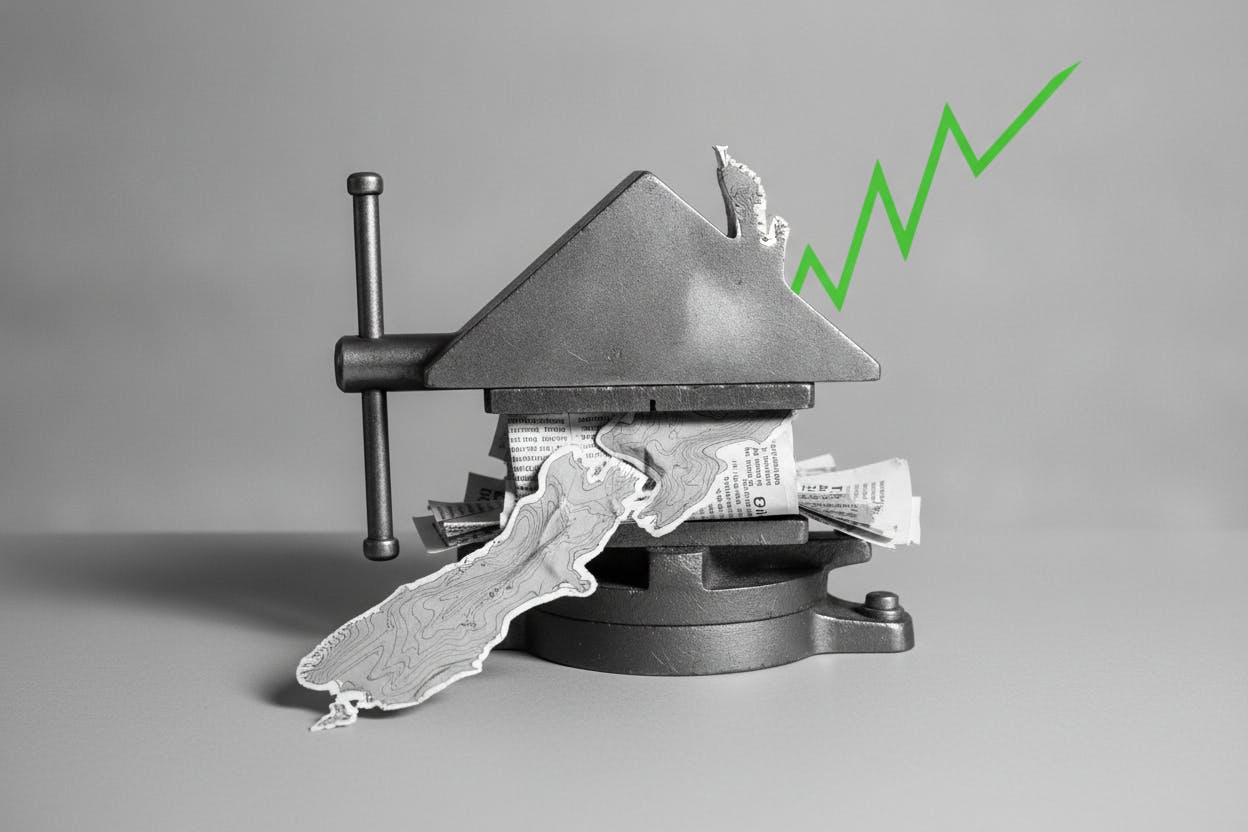
The Reserve Bank of New Zealand (RBNZ) has raised its official cash rate by 25 basis points to 2.50%, marking a return to tightening after a brief pause. The central bank also warned that further increases could follow if inflation does not cool sufficiently, catching markets off guard and underscoring the persistent challenge of price pressures worldwide.
What Happened and Why
The RBNZ’s decision, announced Wednesday, lifts the benchmark rate from 2.25% to 2.50%. Policymakers cited inflation that remains above the bank’s 1-3% target range, with the latest data showing consumer prices rising at an annual rate of 3.9% in the June 2026 quarter. The bank expects inflation to have peaked at that level, but it still sees risks that price pressures could linger.
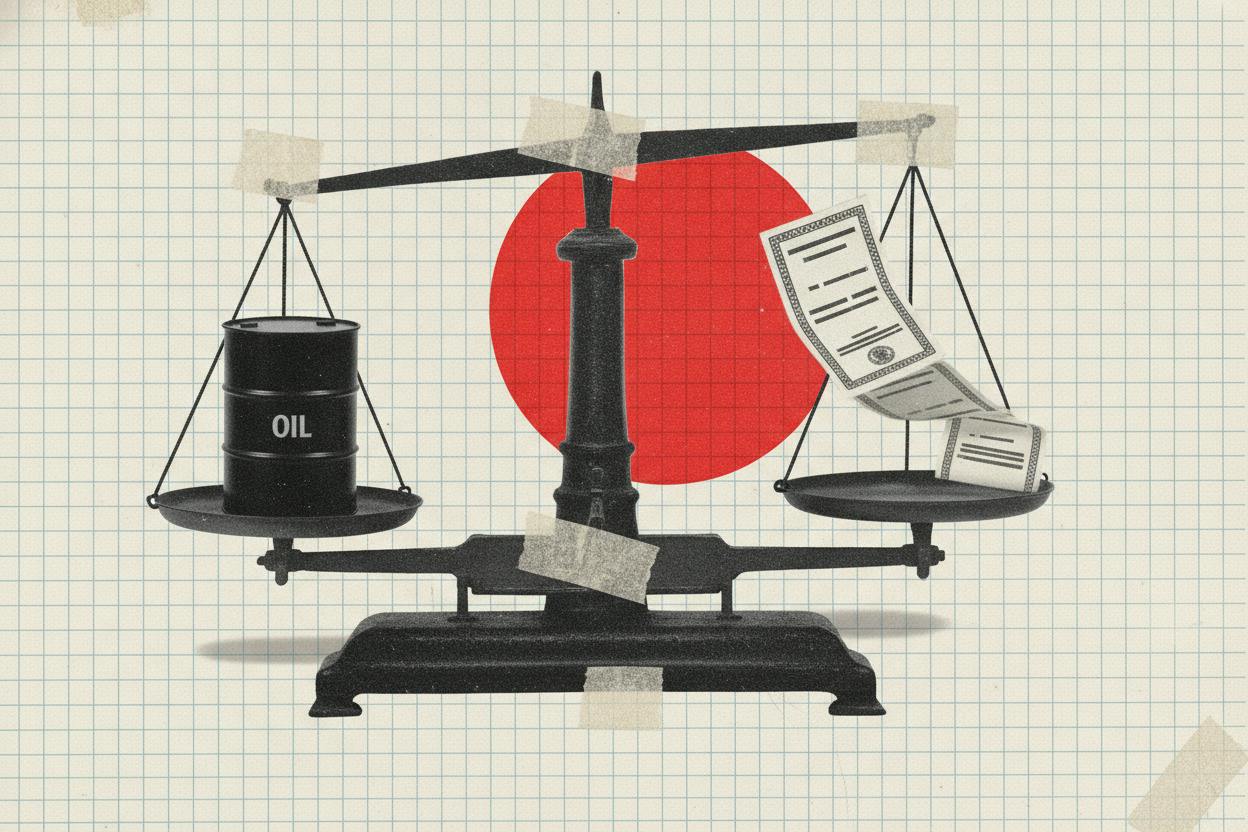
In its statement, the RBNZ said “some further reduction in monetary stimulus is likely” to bring inflation back toward the 2% midpoint of its target. The bank pointed to higher energy costs as a fresh source of upward pressure on prices, a factor that has also troubled other central banks, including the Reserve Bank of Australia. As the RBA has warned, oil spikes can fuel second-round inflation through higher transport and production costs, keeping rate hikes on the table.
The move comes as New Zealand’s economy is only just regaining momentum after a period of sluggish growth. The RBNZ is walking a tightrope: it needs to curb inflation without choking off the recovery. This balancing act is familiar to central banks globally, many of which have been raising rates to combat post-pandemic inflation.
Broader Context: Global Tightening Continues
New Zealand is not alone in its tightening cycle. Central banks from Japan to the United States have been adjusting policy to address inflation, though the pace and timing vary. The Bank of Japan, for instance, has seen growing interest from global investors in yen bonds as it raises rates, with Japanese asset managers launching yen bond funds to tap into demand. Meanwhile, the U.S. dollar has edged higher as traders brace for key data and central bank meetings, as reported earlier.
The RBNZ’s decision also highlights the ongoing challenge of energy-driven inflation. Higher oil and gas prices have been a common thread in inflation stories across developed economies, and central banks are watching closely for signs that these costs are feeding into broader price increases.
What It Means for Investors
For everyday investors, the RBNZ’s rate hike has several implications. First, higher interest rates in New Zealand make the New Zealand dollar more attractive to foreign investors seeking yield, which could strengthen the currency. That matters for anyone holding New Zealand assets or investing in international funds with exposure to the country.
Second, the prospect of further rate increases means borrowing costs for businesses and households in New Zealand will remain elevated. This could weigh on corporate profits, particularly for companies in rate-sensitive sectors like housing, construction, and consumer discretionary. Investors with holdings in New Zealand stocks or bonds should monitor how companies manage higher financing costs.
Third, the RBNZ’s move is a reminder that inflation is not yet vanquished globally. While some central banks have paused or slowed their tightening, the RBNZ’s decision shows that price pressures can resurface, especially when energy costs spike. This reinforces the case for diversification in portfolios, including exposure to assets that can hedge against inflation, such as commodities or inflation-linked bonds.
It is also worth noting that the RBNZ’s tightening comes at a time when other central banks are taking different approaches. China’s central bank, for example, has been extending its gold buying streak, as reported, signaling a different strategy for managing reserves and inflation expectations. Such divergence can create opportunities and risks for global investors.
What to Watch Next
Investors will be watching for the RBNZ’s next policy meeting, scheduled for October, for clues on whether further rate hikes are imminent. Key data points include inflation readings, employment figures, and GDP growth, which will shape the bank’s outlook. The RBNZ has signaled that it is prepared to act again if needed, but the pace of tightening will depend on how the economy responds to higher rates.
Globally, the trajectory of energy prices remains a wildcard. If oil and gas costs continue to rise, they could force more central banks to follow the RBNZ’s lead, keeping the global tightening cycle alive. For now, the message from Wellington is clear: the fight against inflation is not over, and investors should stay prepared for more rate moves ahead.