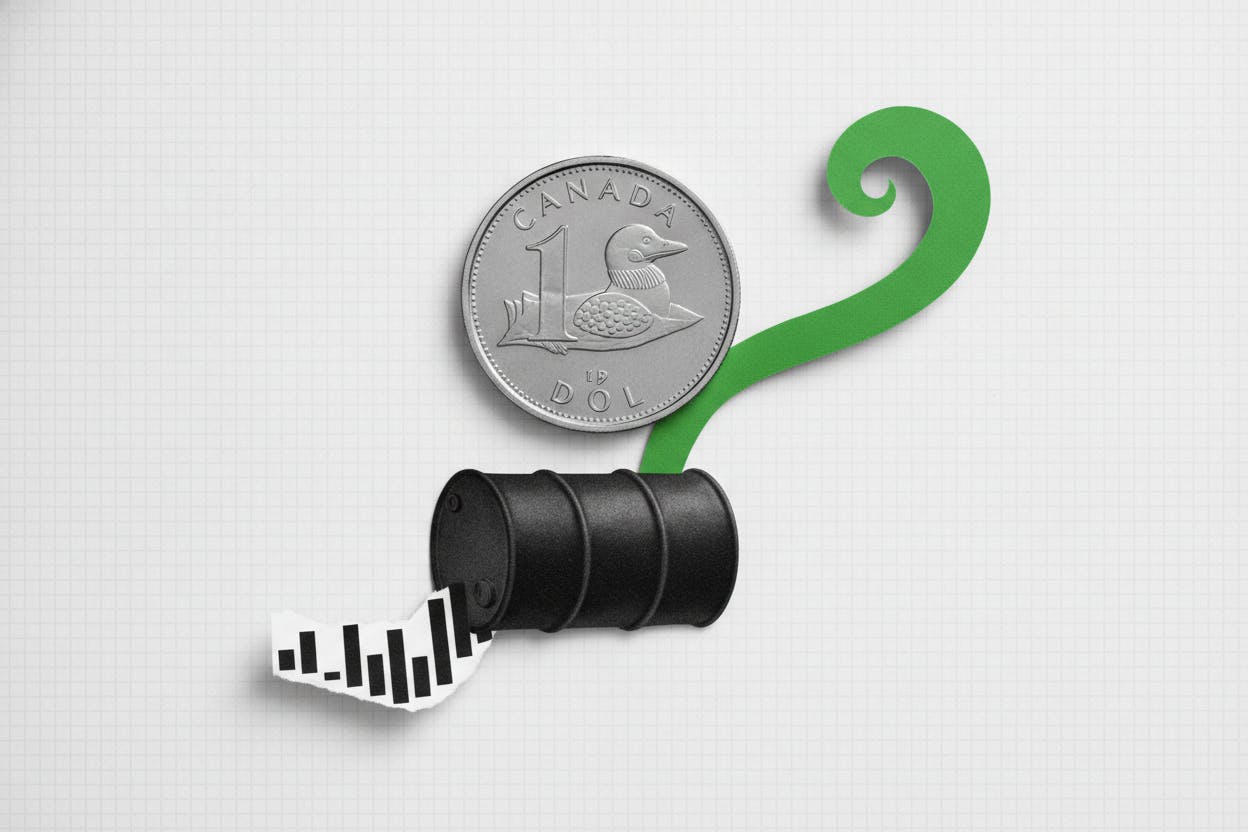
The Canadian dollar edged higher on Tuesday after Canada reported its largest trade surplus in four years for May, a development that coincided with a rally in oil prices to around $70 a barrel. The combination of stronger export earnings and higher crude prices provided a short-term lift to the loonie, though some analysts warned the support may prove fleeting.
Trade surplus widens sharply
Canada's trade surplus expanded to C$4.24 billion in May, according to data released Tuesday, as exports rose for a fourth consecutive month. The figure marks the widest surplus since 2021 and a sharp improvement from the narrower surpluses seen earlier this year. The trade data comes after Canada's economy contracted slightly in the first quarter, making the export-driven boost a welcome sign for policymakers.
Energy exports were a key driver of the surplus. Canada is one of the world's largest oil producers, and crude is among its biggest export categories. The rise in exports reflects both higher volumes and stronger prices, as global oil markets tightened amid geopolitical tensions.
Oil prices climb on supply fears
Oil prices added to the positive trade picture. US crude futures jumped 2.8% to $70.47 a barrel after reports of attacks near the Strait of Hormuz raised concerns about potential shipping disruptions in one of the world's most critical oil transit chokepoints. The Strait of Hormuz, a narrow waterway between Iran and Oman, handles about a fifth of global oil consumption. Any threat to shipping there can quickly push prices higher as traders price in the risk of supply interruptions.
The oil price move was particularly relevant for Canada because of the direct link between crude prices and the country's export revenues. When oil prices rise, Canadian energy companies earn more for each barrel they sell abroad. That improves what economists call Canada's "terms of trade" — the ratio of export prices to import prices. A better terms of trade means the country earns more relative to what it spends on imports, and that often shows up quickly in currency markets.
What the loonie rally means
The Canadian dollar, often called the loonie after the bird on the C$1 coin, ticked up against the US dollar following the trade and oil data. The currency's gain reflects a straightforward mechanism: foreign customers pay Canadian exporters, often in US dollars. When those export receipts rise, companies convert some of that revenue into Canadian dollars to cover local costs like payroll, taxes, and supplies. That conversion flow creates demand for the loonie, pushing its value higher even if the US dollar is strong elsewhere.
For everyday investors, a stronger loonie can have mixed effects. It makes imported goods cheaper for Canadians, which can help ease inflation pressures. But it also makes Canadian exports more expensive for foreign buyers, which could eventually weigh on export volumes. For investors holding US stocks or funds, a rising loonie reduces the Canadian-dollar value of those holdings.
Analysts warn of a potential peak
Bank of Montreal (BMO), one of Canada's largest banks, cautioned that May's trade surplus may represent a "high watermark." The bank noted that oil-driven surpluses can fade quickly if crude prices cool or if Canadian import demand picks up. Canada's economy is heavily tied to commodity prices, and the loonie has historically been sensitive to swings in oil. When oil prices fall, the currency tends to weaken as export revenues decline.
The warning highlights a key risk for investors: the support for the loonie from trade and oil is as fickle as the commodity price behind it. If oil prices retreat from current levels, or if Canada's trade surplus narrows in coming months, the currency could give back its gains. Traders will be watching Canada's upcoming jobs report for clues on whether the domestic economy is stabilizing, and whether higher bond yields are justified by stronger growth.
Broader market context
The trade and oil data come amid a mixed backdrop for Canadian markets. The TSX has faced headwinds from falling materials stocks, even as record exports provided some support. Meanwhile, the Canadian dollar has been stuck near C$1.42 against the US dollar, weighed down by a wide interest rate gap between Canada and the US and mixed inflation data. The Bank of Canada has been cautious about further rate moves, and the jobs report will be a key input for its next decision.
Geopolitical risks also remain in focus. The attacks near the Strait of Hormuz that boosted oil prices are a reminder of how quickly global events can ripple through commodity markets and currencies. Investors should expect continued volatility in the loonie as long as oil prices remain sensitive to Middle East tensions.
What investors should watch next
For those tracking the Canadian dollar, the key variables are oil prices, trade data, and domestic economic indicators. The jobs report due later this week will be closely watched for signs of whether the economy is gaining traction after the first-quarter contraction. If employment growth is strong, it could support the loonie by reinforcing expectations of steady economic activity. But if the data disappoints, the currency could come under renewed pressure.
Investors should also keep an eye on the US dollar's broader trend. The greenback has been firm against most currencies as the Federal Reserve maintains higher interest rates. A strong US dollar tends to weigh on the loonie, even when Canada's trade and oil fundamentals improve. The interplay between these forces will determine whether the loonie can hold its recent gains or slips back toward the C$1.42 level.
In the meantime, the trade surplus and oil rally provide a reminder of how commodity-driven Canada's economy remains. For investors, that means the loonie's fortunes are likely to remain tied to the next move in oil prices and the next trade report, rather than any single headline.