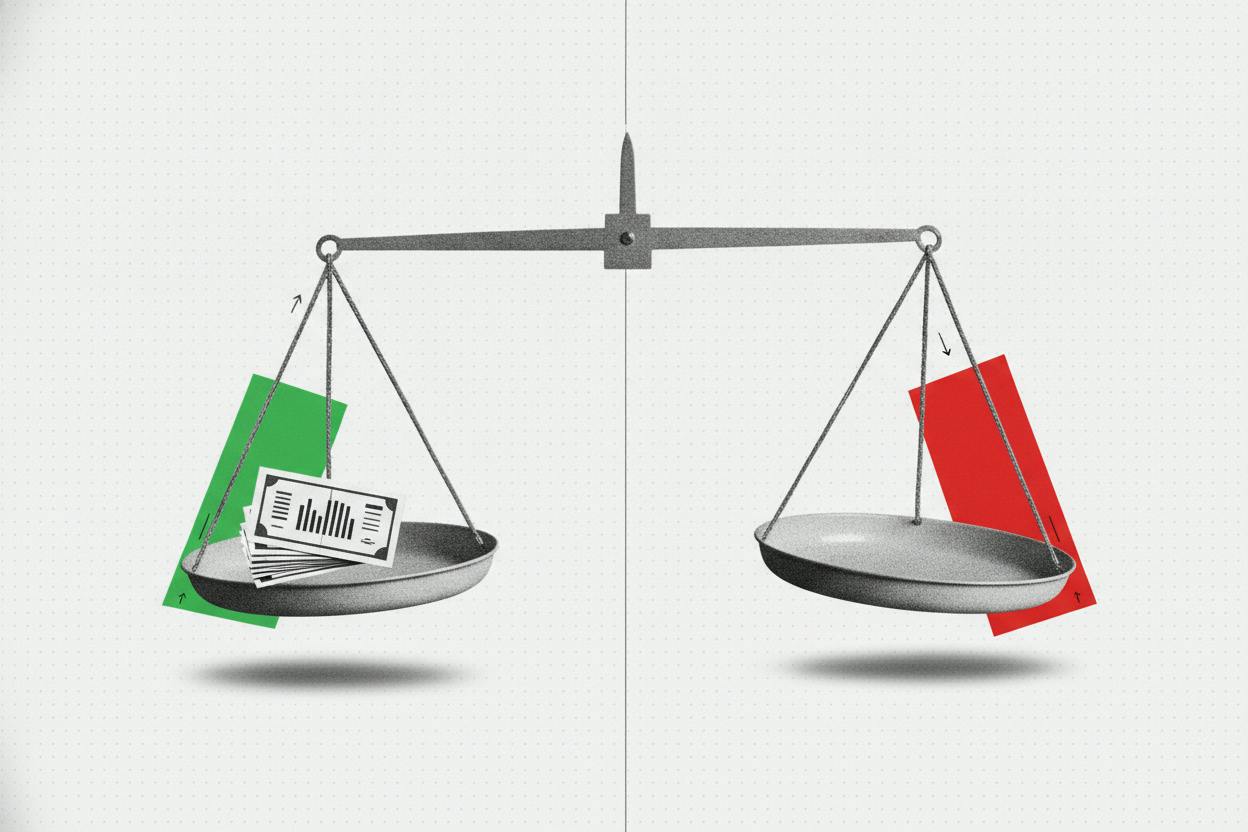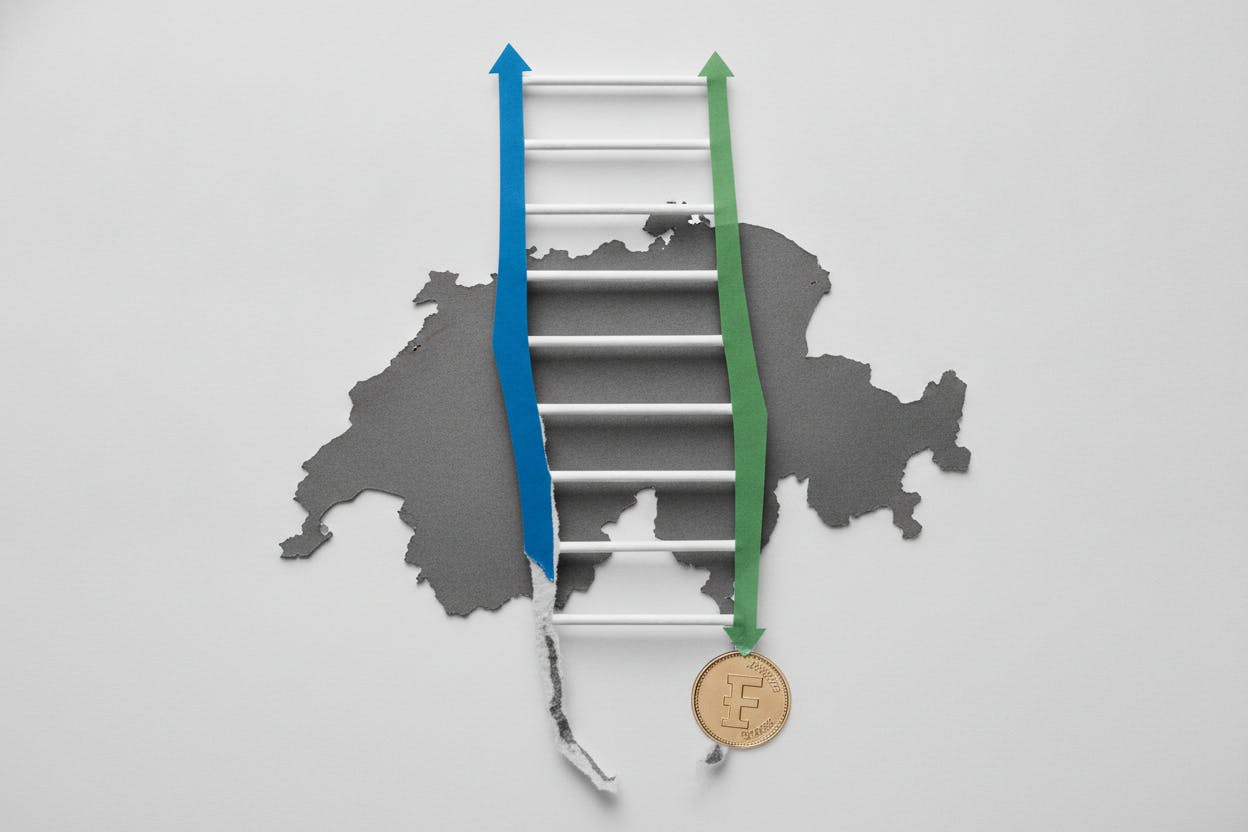
A study released by the Swiss Federation of Trade Unions (SGB) has laid bare a stark divergence in Switzerland's wage landscape. Between 2016 and 2024, inflation-adjusted (real) wages for the top 1% of earners surged 16.8%, while the bottom 10% saw their real wages slip by 0.5%. The findings underscore a growing inequality that has reversed the trend seen in the years following the 2008 financial crisis.
What the Data Shows
The SGB study, which analyzes wage data from Swiss payroll records, found that the highest-paid workers captured the lion's share of productivity gains over the past eight years. In contrast, lower-paid employees did not receive raises sufficient to keep pace with rising consumer prices. The report also notes that women continue to earn less than men across all income brackets, a persistent gap that the union says requires policy intervention.
The pattern marks a reversal from the 2008-2016 period, when the lowest-paid group posted the largest percentage gains in real wages. That earlier compression was partly driven by minimum wage increases and tight labor markets. The current widening suggests that the benefits of economic growth are now flowing disproportionately to the top.
Context: Productivity vs. Pay
Switzerland's economy has seen steady productivity growth over the past decade, driven by its strong services sector, pharmaceutical giants like Novartis, and a robust export industry. However, the SGB argues that this productivity has not translated into broad-based wage gains. Instead, corporate profits and executive compensation have risen, while many workers in retail, hospitality, and caregiving roles have seen their purchasing power erode.
The study's release comes amid a broader global debate about income inequality. Central banks, including the Swiss National Bank (SNB), have raised interest rates to combat inflation, which peaked at 3.4% in 2022. While inflation has since moderated, the cumulative effect has been particularly hard on low-income households, which spend a larger share of their income on essentials like food and rent.
What It Means for Investors
For everyday investors, the widening pay gap in Switzerland carries several implications. First, consumer spending patterns may shift. Lower-income households tend to have a higher marginal propensity to consume, meaning they spend a larger portion of their income. If their real wages are falling, overall consumer demand could soften, potentially affecting Swiss retailers and consumer goods companies.
Second, the political landscape could shift. Growing inequality often fuels calls for higher taxes on the wealthy, stronger minimum wage laws, or expanded social safety nets. Investors should monitor any policy proposals that could impact corporate tax rates or labor costs, particularly for companies with large workforces in Switzerland.
Third, the persistent gender pay gap may lead to increased regulatory scrutiny. Companies that fail to address pay equity could face reputational risks or legal challenges. Investors focused on environmental, social, and governance (ESG) criteria may want to review how Swiss companies report on pay equality.
Broader Market Context
The Swiss economy remains one of the most stable in the world, with low unemployment and a strong currency. However, the SGB study adds to a growing body of evidence that the benefits of growth are not being shared evenly. This is not unique to Switzerland—similar trends have been observed in the United States, Germany, and other developed economies.
In the currency markets, the Swiss franc has been relatively strong, which can weigh on export competitiveness. Meanwhile, the SNB has been cautious about further rate hikes, as it balances inflation control with the risk of slowing growth. For investors holding Swiss equities, the focus should be on companies with pricing power and strong balance sheets, as they are better positioned to navigate potential headwinds from wage pressures or regulatory changes.
Looking Ahead
The SGB study is likely to reignite debate in Switzerland's parliament over wage policies. The country has no federal minimum wage, though some cantons have introduced their own. Union leaders are expected to push for stronger collective bargaining agreements and measures to close the gender pay gap.
For investors, the key takeaway is that wage inequality is a structural issue that can influence consumer behavior, corporate costs, and political risk. While Switzerland's economy remains resilient, the widening pay gap is a reminder that not all sectors or income groups benefit equally from economic growth. Keeping an eye on wage data and policy developments can help investors make more informed decisions about their portfolios.