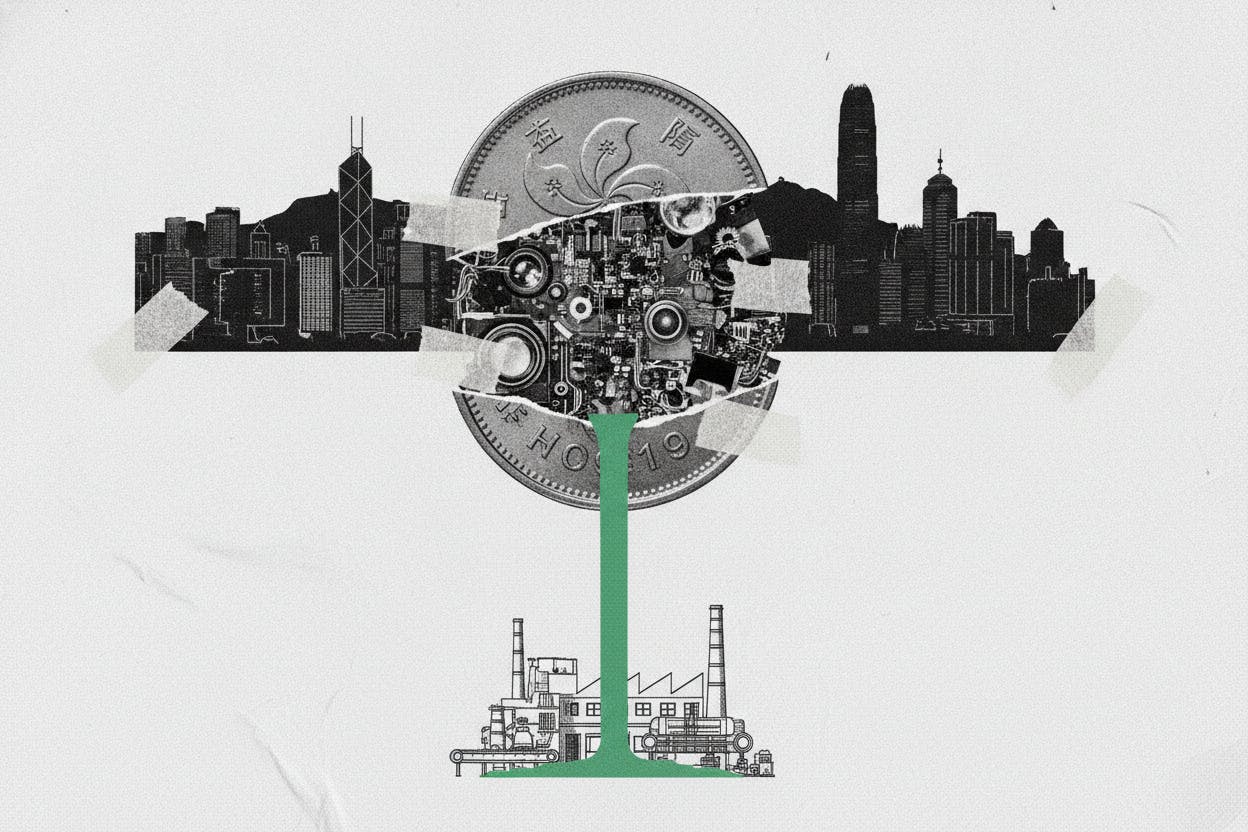
Tech stocks pulled global markets lower on Tuesday, with semiconductor shares leading the decline after investors took Samsung Electronics' blockbuster profit outlook as a reason to question how much longer the AI hardware boom can sustain its strength. The day's selling was concentrated in chipmakers, even as the world's largest memory-chip producer reported a 19-fold surge in operating profit for the April-June quarter.
The Philadelphia Semiconductor Index fell 4% and is now down 13% over the past month, a sharp reversal from the rally that had propelled the sector to record highs earlier this year. The move suggests that markets are beginning to price in a potential peak in the AI-driven demand cycle, rather than a long, steady expansion.
Samsung's Record Profit Triggers Selling
Samsung Electronics projected operating profit of 10.4 trillion won ($7.5 billion) for the second quarter, a 19-fold increase from a year earlier. That would be the company's highest profit since 2022. Yet the stock fell 3% in Seoul, and rival SK Hynix also declined. Reuters reported that the upbeat guidance triggered selling rather than buying, as investors focused on what it might signal about the future.
Memory chips are a key input for AI servers, but they are also a relatively commodity-like product where profits can swing quickly when supply catches up with demand. A record outlook can therefore read as peak pricing power, not the start of a long, steady run. Markets often punish "too-good" results in cyclical industries, and the chip sector is no exception. If investors believe a shortage is easing, they begin modeling lower average selling prices—the price chipmakers get per unit—and thinner margins, especially in memory where supply and demand can rebalance fast.
That dynamic shifts the AI hardware story from earnings upgrades to margin normalization, which can pressure not just Samsung and SK Hynix but the broader semiconductor complex when valuations were built on continued scarcity. For context, the Philadelphia Semiconductor Index had more than doubled from its October 2022 low before this month's pullback.
New Competition Adds to Caution
Adding to the market's cautious mood, Reuters reported that Chinese startup DeepSeek is developing its own AI chip. While the company is small compared to industry giants like Nvidia, the news reignited concerns about rising competition in the AI chip space and the potential for oversupply. Investors have been watching for signs that the AI trade—which has driven much of the stock market's gains over the past year—may be losing momentum.
The broader tech selloff also reflected a reassessment of the AI trade's durability. After months of exuberance, markets are now second-guessing whether the massive spending on AI infrastructure can continue to deliver the earnings growth that investors have priced in. Big Tech's debt-fueled AI spending has been a key driver of the rally, but the latest moves suggest some investors are taking profits and questioning valuations.
Oil Climbs on Geopolitical Tensions
Outside tech, oil prices rose after new tensions in the Strait of Hormuz, a critical chokepoint for global oil shipments. The geopolitical risk reminded markets that energy prices and inflation expectations can still be pushed around by events outside the AI narrative. Earlier this month, a tanker strike in the region had already sent oil prices higher, and the latest developments added to supply concerns.
Higher oil prices can feed into inflation, which in turn influences central bank policy. That creates a potential headwind for stocks, especially if it delays interest rate cuts that investors have been hoping for. The combination of a cooling AI trade and rising energy costs is a reminder that markets face multiple crosscurrents.
What It Means for Investors
For everyday investors, the message from Tuesday's session is that even good news can be bad news in a market that has run up sharply. Samsung's record profit was a reminder that cyclical industries like semiconductors can turn quickly, and that the AI trade is not immune to the laws of supply and demand. When a company's outlook is "too good," it often signals that the cycle is nearing its peak, not that the good times will last forever.
The chip index's 13% monthly decline is a significant pullback, but it comes after a period of extraordinary gains. Investors should watch for further signs of margin pressure in memory chips and any updates from major AI players about their spending plans. The broader market's reaction to oil price moves also bears watching, as energy costs can ripple through the economy and affect everything from consumer spending to corporate profits.
As always, diversification remains a key principle. The AI trade has been a powerful driver of returns, but no single sector or theme dominates forever. The recent chip selloff and the rise in oil prices are reminders that markets can shift quickly, and that a balanced portfolio is often the best defense against volatility.