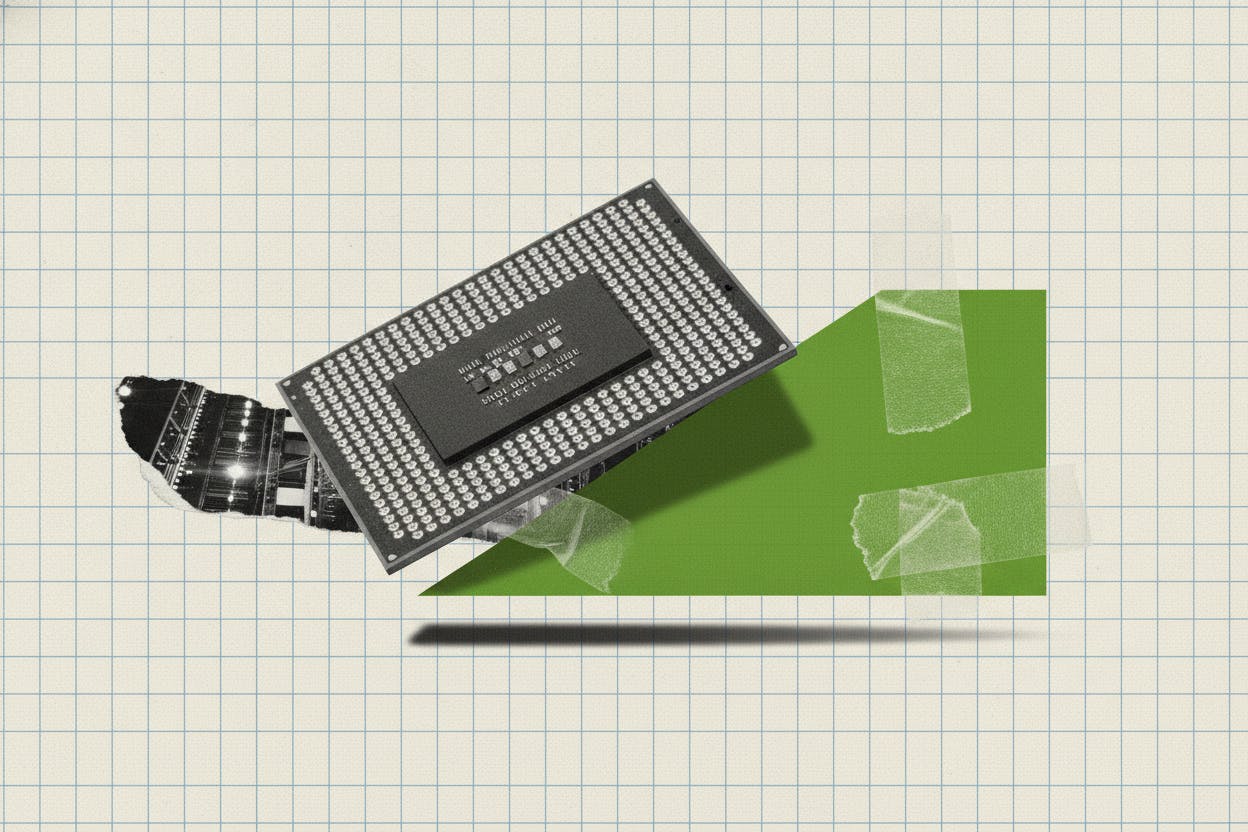
AI search startup Perplexity has announced it will use Nvidia's new Vera central processing unit (CPU), giving the chipmaker a high-profile customer as it tries to break into a server-processor market long controlled by Intel and Advanced Micro Devices (AMD).
Perplexity, which operates an AI-powered search engine, said Nvidia's Vera CPU ran AI agent coding tasks roughly 1.5 times faster than traditional chips. The company plans to deploy the processor in its own infrastructure, according to a Reuters report.
Nvidia's Expanding Ambitions
Nvidia is best known for its graphics processing units (GPUs), which have become the backbone of the AI boom. But the company has been working to offer more of the components that go into a complete server — not just the specialized AI accelerators but also the general-purpose CPUs that coordinate tasks and run software.
Nvidia says it expects $20 billion in Vera sales by the end of this fiscal year. That would signal that CPUs could become a meaningful second growth engine for a company whose revenue has already soared on AI demand. For context, Intel's entire data-center segment brought in about $13 billion in 2024, so Nvidia's target is ambitious.
The Vera CPU is designed to handle both traditional computing workloads and AI-specific tasks, blurring the line between the two. Perplexity's test suggests the chip can speed up the kind of coding and agent-based work that many AI companies rely on.
Why Nvidia Needs a CPU Strategy
There is a defensive angle to Nvidia's push into CPUs. Reuters notes that some AI labs, including OpenAI and China's DeepSeek, are designing their own custom AI chips. That trend could gradually reduce demand for Nvidia's most specialized hardware — the high-end GPUs that currently drive its profits.
By offering a broader server platform, Nvidia can make itself harder to replace. If a customer buys Nvidia CPUs, GPUs, networking gear and software, switching to a competitor becomes more costly and complex. That is a classic strategy in the chip industry: lock in customers with an integrated ecosystem.
Earlier this year, DeepSeek Develops Custom AI Chip to Reduce Reliance on Nvidia and Huawei, highlighting the threat Nvidia faces from large AI labs building their own silicon.
What It Means for Investors
For everyday investors, this story is about competition in a market that has been a duopoly for years. Intel and AMD have dominated the server CPU market, with Intel holding the largest share. If Nvidia can carve out a meaningful slice, it could pressure margins for both incumbents and give Nvidia a new revenue stream.
But the CPU market is notoriously difficult to enter. Intel and AMD have decades of experience, vast software ecosystems, and deep relationships with server makers and cloud providers. Nvidia will need to convince customers that its CPU offers enough performance or efficiency gains to justify switching.
Perplexity's endorsement is a positive signal, but it is just one customer. Investors should watch for broader adoption by cloud giants like Amazon Web Services, Microsoft Azure, and Google Cloud, which buy CPUs in huge volumes.
There is also the broader context of Nvidia's recent challenges. The company has faced delays with its next-generation AI rack systems, as reported in Tech Futures Rise Despite Nvidia's Next-Gen AI Rack Delay. And a separate report noted Asia Markets Mixed as Nvidia's Next-Gen AI System Faces Over-Year Delay. These hiccups have not dented demand for Nvidia's current products, but they show that even the dominant AI chipmaker faces execution risks.
The Bottom Line
Nvidia's Vera CPU push is a bet that it can replicate its GPU success in a market where Intel and AMD have deep roots. Perplexity's early adoption is a vote of confidence, but the real test will come when large data-center operators decide whether to buy Vera at scale.
For investors, the key question is whether Nvidia can turn CPUs into a $20 billion business without distracting from its core GPU franchise. If it succeeds, it could further widen its moat. If it stumbles, it may have wasted resources that could have gone into defending its AI chip lead against a growing list of rivals.