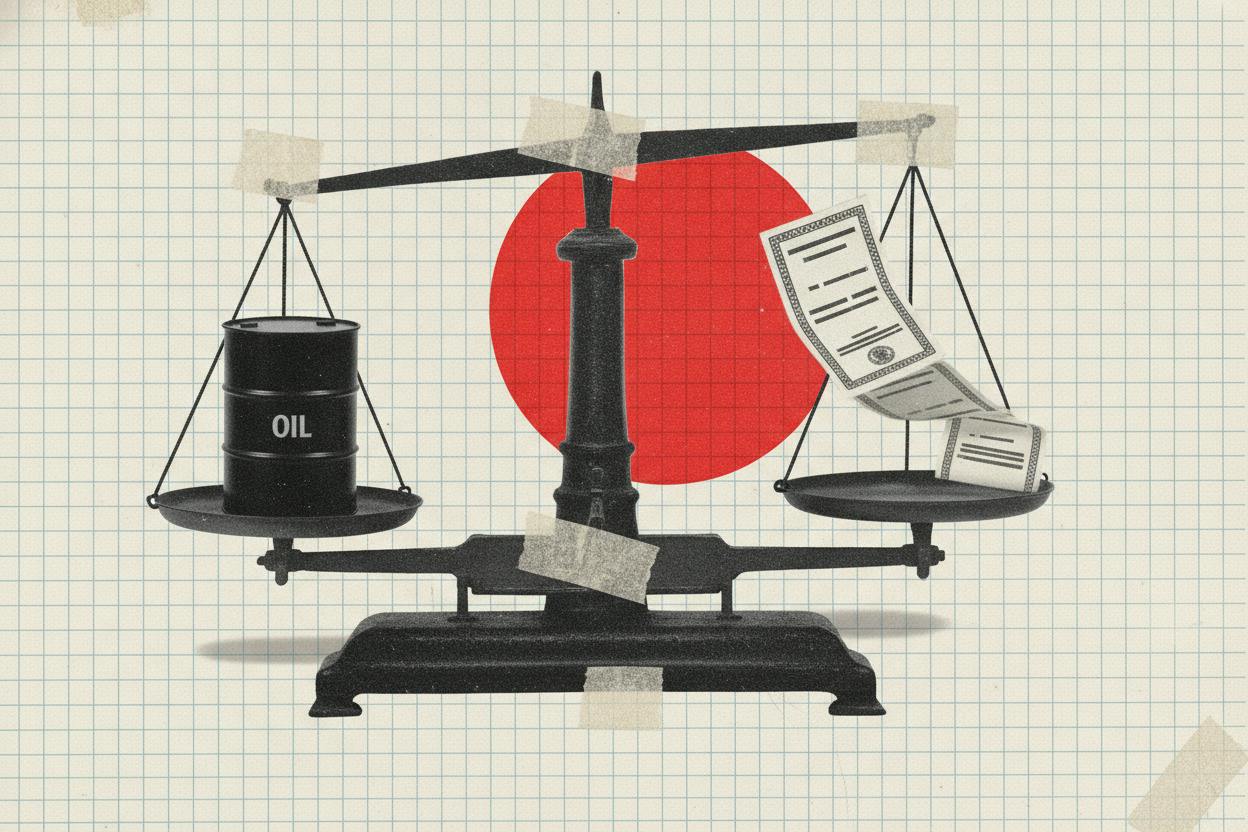
A missile strike on a Qatari oil tanker sent crude prices jumping 2.7% on Tuesday, flipping the script on U.S. markets. Energy stocks gained ground, but the rally in oil reignited inflation fears that hit technology stocks hard — especially the semiconductor sector.
The SPDR S&P Semiconductor ETF (XSD) fell 5.5%, while the iShares Semiconductor ETF (SOXX) slid 4.9%. That was far worse than the broader tech-focused Invesco QQQ Trust, which dropped 1.4%. Energy ETFs, by contrast, added about 1.1% as crude rose.
Why Oil Jolted Markets
The catalyst was a missile strike on a tanker operated by a Qatari firm, a sudden geopolitical event that threatened supply routes in a key oil-producing region. Markets immediately priced in a higher risk of disruption, pushing crude higher.
For investors, a jump in oil is rarely just about energy stocks. Crude is a key input into everything from gasoline to plastics, so a sustained rise can feed into broader inflation. That, in turn, puts pressure on central banks like the Federal Reserve to keep interest rates higher for longer to cool price pressures.
Higher rates are especially painful for stocks that trade on expectations of future profits — and few sectors fit that description better than semiconductors. Chip companies often have high valuations because investors are betting on years of growth from AI, data centers, and other trends. When rates rise, those distant profits get discounted more heavily, making the stocks look less attractive.
What It Means for Investors
Tuesday's moves are a reminder of how interconnected markets are. A single geopolitical event can shift sentiment across sectors in hours. For everyday investors, the key takeaway is that oil prices remain a wildcard for both inflation and interest rate expectations.
If crude stays elevated, energy stocks could continue to benefit — the sector has been a relative bright spot this year. But tech, and particularly semiconductors, may face headwinds as long as the rate outlook remains uncertain. The broader market, as measured by the S&P 500, is caught in the middle, trying to balance the drag from higher rates against the boost from a strong economy.
Investors should also watch for any escalation in the Middle East. A wider conflict could push oil even higher, while a quick resolution might reverse Tuesday's gains. Either way, the episode underscores the value of diversification: having exposure to both energy and tech can help cushion portfolio swings.
Broader Context
The tanker strike comes at a time when markets were already on edge about inflation. Recent data showed consumer prices ticking up, and the Fed has signaled it is in no rush to cut rates. That backdrop made tech stocks vulnerable to any fresh inflationary shock.
Meanwhile, the energy sector has been gaining momentum. Abu Dhabi Royal Office Invests $1.13 Billion in LNG Platform MidOcean Energy, highlighting continued interest in fossil fuel infrastructure. And palm oil prices edged higher as crude's rally boosted the broader edible oils complex, showing how oil's influence extends beyond energy stocks.
For chip investors, the selloff may be an overreaction if the tanker incident proves isolated. But the underlying sensitivity to rates is unlikely to fade soon. Semiconductor stocks have been among the biggest winners of the AI boom, and their high valuations leave them exposed to any shift in the rate outlook.
Looking Ahead
Markets will be watching for any official statements from oil-producing nations and the U.S. government. If the situation de-escalates, crude could give back its gains, and tech stocks might recover. But if supply disruptions persist, the inflation narrative could strengthen, keeping pressure on rate-sensitive sectors.
For now, the message from Tuesday is clear: in a world of geopolitical risk and sticky inflation, no sector is immune to sudden shifts. Investors should stay informed and avoid making hasty moves based on a single day's trading.