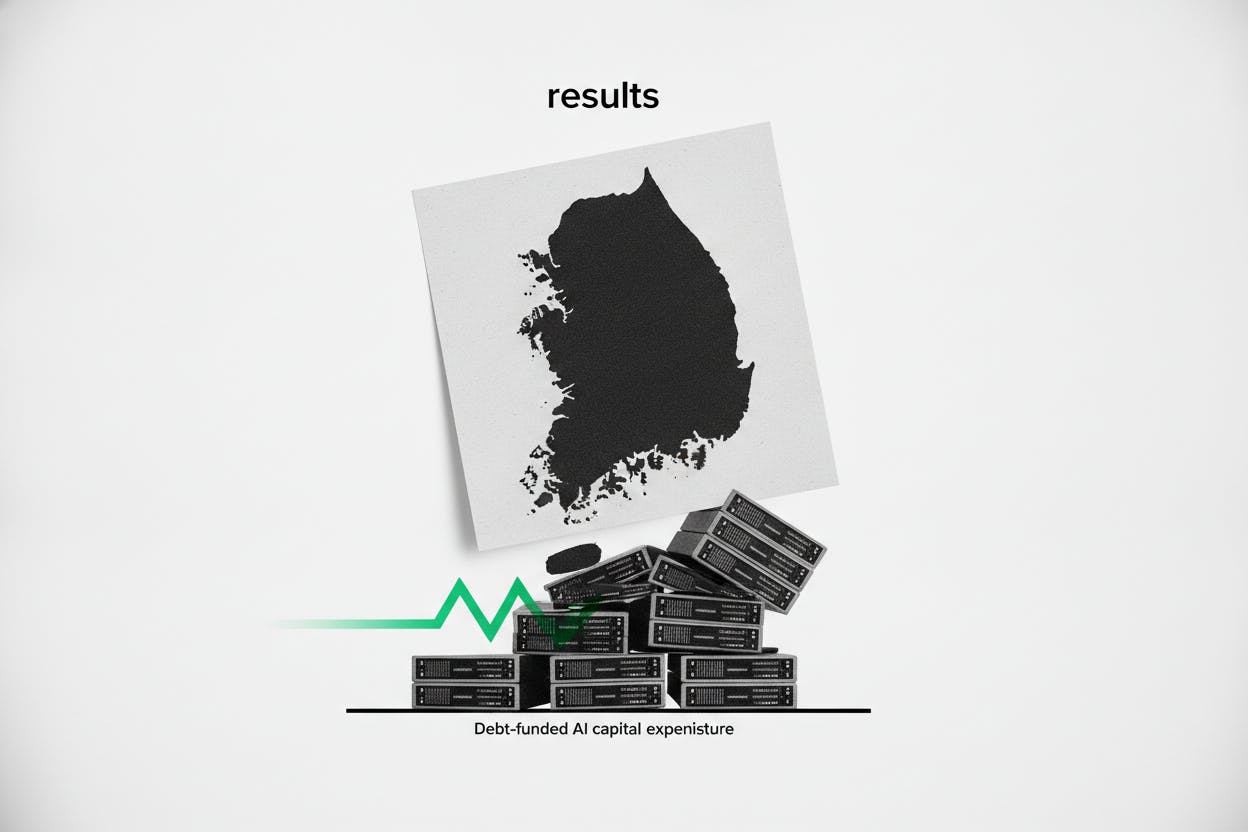
HSBC, one of Europe's largest banks, has stepped back from its bullish stance on emerging-market (EM) equities. The bank dropped its 'overweight' call after a sharp selloff in South Korea and rising doubts about whether the massive debt-funded spending on artificial intelligence (AI) will pay off as quickly as hoped.
What Happened?
In a note to clients, HSBC revised its view on EM stocks, moving from an overweight position—meaning it advised investors to hold more EM stocks than the benchmark—to a more cautious stance. The trigger was a steep decline in South Korean markets, which have been hit hard by a combination of global tech jitters and domestic economic concerns. The KOSPI index recently plunged 10% in three days, reflecting the severity of the selloff.
The broader issue, however, is the growing skepticism around AI-related capital expenditure (capex). Many of the world's biggest technology companies and data-center operators have been borrowing heavily to build out AI infrastructure, from specialized chips to massive server farms. When investors start to worry that the returns on that spending will take longer to materialize, they tend to look past last quarter's earnings and focus on forward-looking indicators like chip orders and next-quarter spending plans.
Why Emerging Markets Are Vulnerable
Emerging markets, particularly in Asia, are at the center of the AI supply chain. South Korea and Taiwan are home to the world's leading semiconductor manufacturers, including Samsung and TSMC. When AI spending wobbles, these markets feel the impact first. The recent selloff in South Korea was exacerbated by geopolitical tensions in the Strait of Hormuz, which added to investor anxiety.
HSBC's move is significant because it signals that even major institutional investors are reassessing the risk-reward balance in EM equities. The bank's previous overweight call had been based on expectations that AI-driven demand would boost exports and corporate profits across the region. Now, with debt levels rising and the payoff uncertain, that thesis is under pressure.
What It Means for Investors
For everyday investors, this shift is a reminder that the AI boom is not a one-way bet. While the technology itself holds enormous promise, the companies and countries that supply its building blocks are exposed to the same boom-and-bust cycles as any other industry. When borrowing costs rise or growth expectations cool, the stocks that rode the AI wave can fall hard.
HSBC's downgrade also highlights the interconnectedness of global markets. A selloff in South Korea can ripple across emerging markets, affecting everything from Brazilian equities to Indian tech stocks. Investors with exposure to EM funds or ETFs should be aware that the AI trade is becoming more volatile.
That said, not all emerging markets are equally exposed. Some, like Singapore, have been hitting record highs even as South Korea struggles. Diversification remains key. The broader lesson is that debt-funded spending, whether by governments or corporations, carries risks that can surface quickly when sentiment shifts.
Looking Ahead
The next few weeks will be critical for EM equities. Investors will be watching for earnings reports from major chipmakers and data-center operators, as well as any signals from central banks about interest rates. Higher rates make debt more expensive, which could further dampen AI capex plans.
HSBC's move may also prompt other banks to reassess their EM positions. If more institutions follow suit, the selloff could deepen. On the other hand, if AI spending proves more resilient than feared, the current dip could be a buying opportunity for long-term investors.
For now, the message from HSBC is clear: the easy money in emerging markets may have already been made. Investors should brace for more volatility ahead.