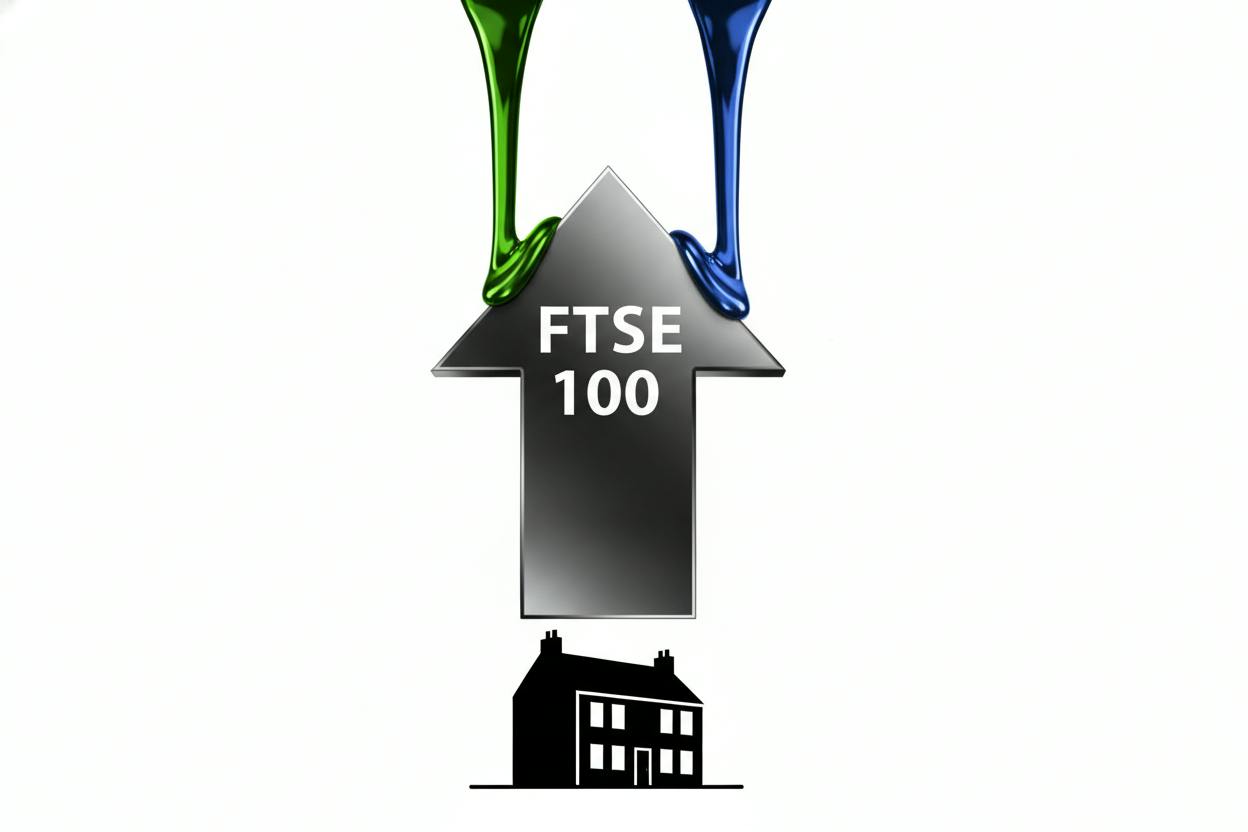
London's FTSE 100 edged higher on Wednesday, helped by a rebound in oil, copper, and gold prices. The gains were led by heavyweight energy and mining stocks, even as traders kept a close watch on the possibility of another Bank of England interest rate hike.
Energy stocks bounce back
Energy shares rose 1.9%, ending a seven-session losing streak. Crude oil prices recovered from recent lows, giving a lift to giants like BP and Shell, which were among the day's top performers. The rebound came after a period of weakness that had weighed on the sector.
Miners also climbed as copper prices firmed, adding another tailwind to an index where materials carry heavy weight. The FTSE 100 is packed with global commodity and energy companies, so swings in raw materials can matter as much as UK economic news.
Rate hike odds linger
At the same time, rate expectations stayed in the background. LSEG data showed markets pricing a 69% chance of a 0.25 percentage point Bank of England rate hike in December. That tends to pressure more UK-focused, rate-sensitive businesses, because higher interest rates can raise mortgage costs for buyers and lower the value investors place on future profits.
Homebuilders fell 1.4%, reflecting those concerns. Individual company updates pulled shares in both directions elsewhere in the market, but the overall index managed to stay in positive territory.
What it means for investors
Wednesday's split – energy up 1.9% and miners up around 2% while homebuilders slipped 1.4% – shows why the headline index can look calm even when parts of the market are under pressure. When oil and metals prices rebound, investors often upgrade near-term revenue expectations for heavyweight names like BP, Shell, and big miners, and that can offset worries about UK rates at the index level.
But tighter policy expectations still land hardest on domestically exposed sectors that rely on UK borrowing and housing demand, creating bigger gaps in performance inside the market than you'd guess from the FTSE's overall move.
For everyday investors, this is a reminder that the FTSE 100 is not a single bet on the UK economy. Its fortunes are closely tied to global commodity prices and the health of the world economy. A rebound in oil and copper can lift the index even when domestic headwinds like higher rates are building.
Investors will likely keep an eye on whether the Bank of England follows through with a hike in December, and on commodity price trends. As we've seen in copper's recent rebound, raw materials can shift quickly, and that can have an outsized effect on London-listed stocks.
For those with diversified portfolios, the lesson is that sector performance can diverge sharply. While energy and mining stocks may benefit from higher commodity prices, rate-sensitive sectors like homebuilders could continue to struggle if borrowing costs stay elevated. Understanding these dynamics can help investors make sense of why the FTSE 100 moves the way it does.