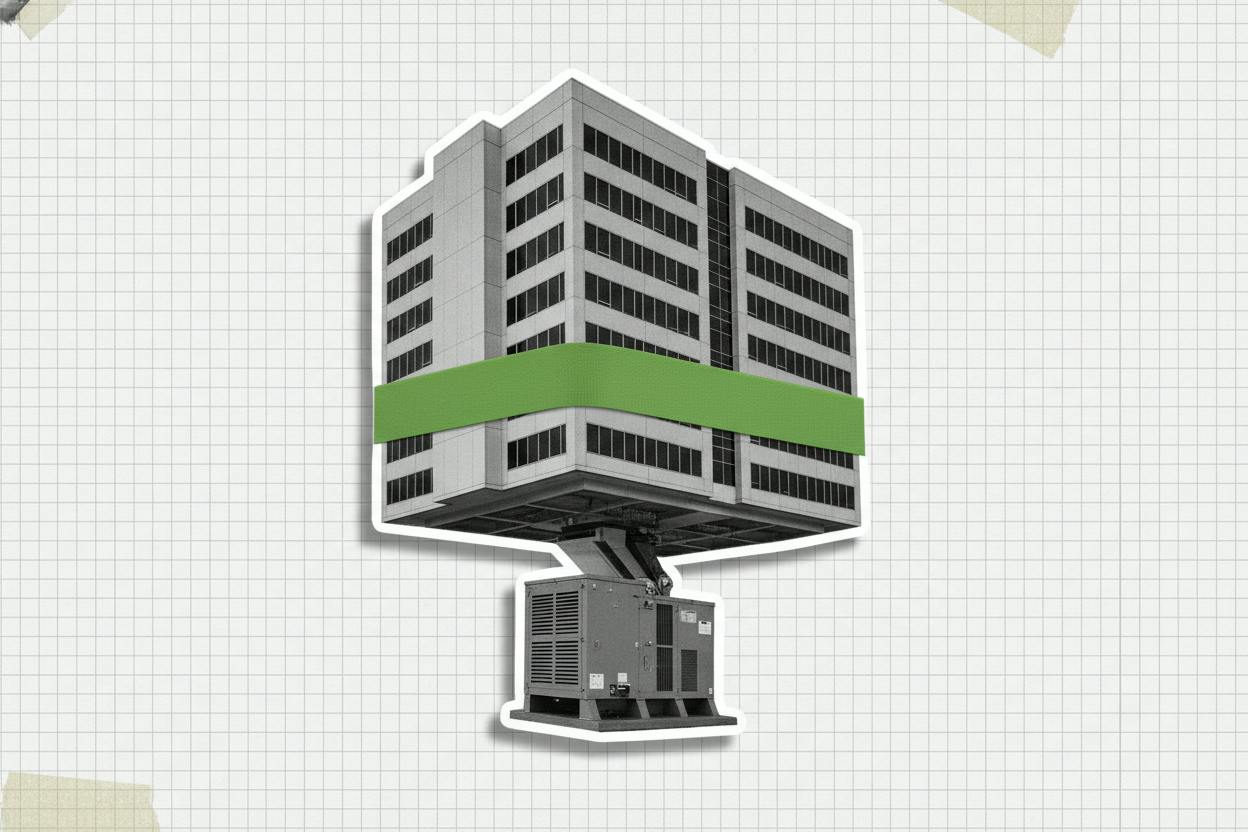
Generac Holdings, the maker of backup power equipment, saw its shares surge nearly 18% on Tuesday after announcing a long-term supply agreement with Amazon. The deal, valued at $2.4 billion, covers the delivery of backup generators for data centers in 2027 and 2028.
The agreement underscores a growing trend: data centers are becoming critical infrastructure for the digital economy, and their operators are willing to lock in power reliability years in advance. As artificial intelligence and cloud services drive explosive growth in computing demand, any outage can be extremely costly, so companies are investing heavily in redundancy.
Why backup power is suddenly so important
Data centers house the servers that power everything from streaming services to corporate cloud computing. When the grid fails, even for a few minutes, the financial and operational damage can be immense. That's why data center operators build in multiple layers of protection, including backup generators that kick in automatically during outages.
The rise of AI has intensified this need. Training and running large AI models requires massive amounts of electricity, and any interruption can disrupt operations for millions of users. As a result, companies like Amazon are not just building more data centers—they're also ensuring those facilities have reliable backup power.
This deal is a clear signal that Amazon expects its data center footprint to keep expanding. By signing a multi-year agreement with Generac, Amazon is securing a key piece of its infrastructure years ahead of delivery, a move that de-risks its expansion plans.
What this means for Generac and its investors
For Generac, the deal is a major win. The company has traditionally been known for residential backup generators, but this agreement marks a significant push into the commercial and industrial segment. The $2.4 billion in revenue spread over two years is a substantial addition to its order book, providing long-term visibility that investors typically reward.
The stock's 18% jump reflects the market's enthusiasm. But it's worth noting that the deliveries won't happen until 2027 and 2028, so the financial impact is still a few years away. Investors should consider whether the current price already prices in this future revenue, and whether Generac can execute on the deal without margin pressure.
For everyday investors, this news is a reminder that the AI boom isn't just about chipmakers and software companies. The physical infrastructure—power, cooling, and backup systems—is just as critical. Companies that provide these essential components could see sustained demand as data center construction continues.
Broader context: data center power demand
The deal also fits into a larger narrative about energy and data centers. Utilities and grid operators are grappling with surging electricity demand from data centers, and backup generation is just one piece of the puzzle. Some companies are exploring on-site power generation, while others are investing in grid upgrades.
This isn't the first time we've seen a major tech company secure power supply in advance. Amazon's recent comments on AI testing suggest the company remains committed to expanding its AI capabilities, which will only increase its power needs. Similarly, other data center operators are making moves to secure their energy supply, as seen in Nomura's sale of Italian data centers and DMG Blockchain's conversion of a data center for AI colocation.
For investors, the key takeaway is that the data center boom is creating opportunities across the supply chain. From power equipment makers like Generac to companies providing specialized components, the demand for reliable energy is a theme worth watching.
What to watch next
Investors will be watching how Generac executes on this deal and whether it can secure similar contracts with other hyperscale cloud providers. The company's ability to manage production capacity and costs will be critical, as will its pricing power in a competitive market.
For Amazon, the deal is a strategic move to ensure its data centers can operate without interruption. As AI workloads grow, the company's power needs will only increase, and locking in backup generation now is a prudent step.
For the broader market, this deal highlights the intersection of technology and energy. As data centers become more central to the economy, the companies that support their power needs could see sustained demand. But as with any investment, it's important to look beyond the headline and consider the long-term fundamentals.