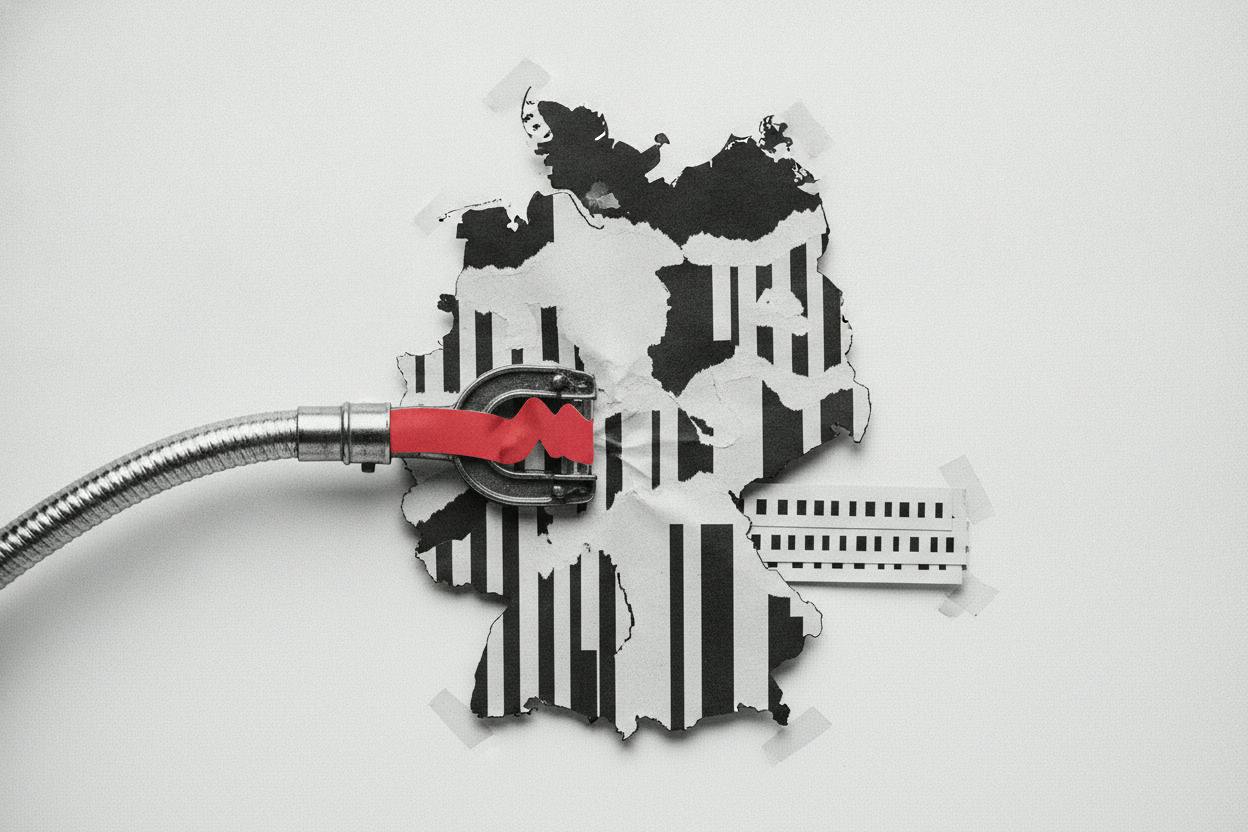
German investor confidence took a hit this month, snapping a five-month winning streak. The ZEW economic sentiment index dropped to 28.1 in October, down from 34.7 in September. The decline signals that financial professionals are growing more cautious about Europe's largest economy.
What is the ZEW index?
The ZEW index is a monthly survey of about 300 German institutional investors and analysts. They're asked how they view current economic conditions and what they expect over the next six months. A reading above zero means optimists outnumber pessimists, but the recent drop shows that optimism is fading.
Why did sentiment fall?
The main culprit is energy prices. After a period of relative calm, energy costs have climbed again, raising concerns about inflation and the purchasing power of households and businesses. Higher energy bills can eat into corporate profits and force consumers to cut back on other spending, which slows economic growth.
There's also a broader worry that inflation might stay stubbornly high, keeping central banks cautious about cutting interest rates. That could mean borrowing costs stay elevated for longer, which tends to weigh on investment and spending.
What does this mean for investors?
For everyday investors, this is a reminder that the economic backdrop remains fragile. If German growth stalls, it could ripple through European markets and affect global sentiment. Companies that rely heavily on energy or consumer spending might feel the pinch.
However, it's not all doom and gloom. The ZEW survey also showed that assessments of current conditions improved slightly, suggesting the economy isn't collapsing. And while sentiment is down, it's still in positive territory, meaning investors remain cautiously optimistic overall.
For your portfolio, the key takeaway is to stay diversified. Economic data like this can cause short-term market swings, but long-term investors are usually better off focusing on their goals and risk tolerance rather than reacting to every headline.