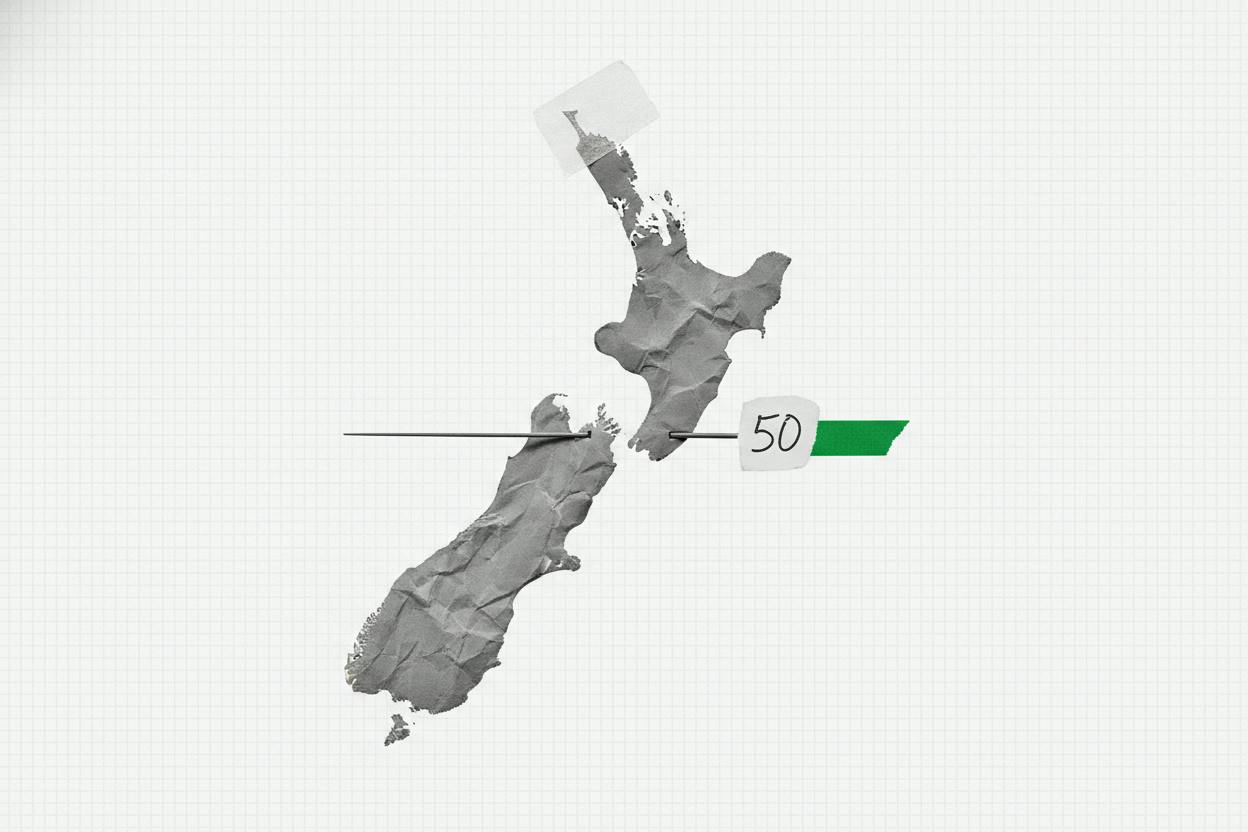
New Zealand's services sector kept its head above water in September, but just barely. The latest Performance of Services Index (PSI) from BusinessNZ slipped to 50.9, down from the previous month, signalling that growth has slowed to a crawl.
A reading above 50 indicates expansion, while anything below points to contraction. At 50.9, the sector is still growing, but with little momentum. BusinessNZ, the industry group that compiles the index, noted that this marks the fourth consecutive month above the breakeven mark, yet the mood among firms remains cautious.
What's behind the slowdown?
Businesses surveyed for the index pointed to two main drags: rising cost pressures and uncertainty tied to the upcoming election. With an election on the horizon, many firms are holding off on big decisions—whether that means hiring, investing, or expanding—until they have a clearer picture of the political landscape.
Cost pressures are also biting. Like many economies around the world, New Zealand has been grappling with inflation, which raises input costs for services firms. While the pace of price increases has moderated from its peaks, businesses still feel the squeeze on their margins.
The services sector is a heavyweight in New Zealand's economy, accounting for a large share of GDP and employment. It spans everything from retail and hospitality to finance, healthcare, and professional services. So when services growth slows, it has ripple effects across the broader economy.
This latest reading echoes a pattern seen in other parts of the world, where services activity has been softer than manufacturing. In the United States, for example, recent data showed factory output rising while services activity flagged, a divergence that has puzzled economists. New Zealand's own manufacturing sector, meanwhile, has shown some strength—stocks slipped despite the strongest factory growth since 2021—but services are clearly struggling to keep pace.
What it means for investors
For everyday investors, the PSI is a useful gauge of the economy's health. A reading near 50 suggests the economy is barely treading water, which can translate into slower corporate earnings growth and, potentially, softer stock market performance.
However, it's important not to overreact to a single month's data. The index is a survey of business sentiment, and sentiment can be volatile, especially around elections. Once the political uncertainty clears, businesses may release some of the pent-up demand they've been holding back.
Investors should also keep an eye on how the Reserve Bank of New Zealand responds to the economic slowdown. If growth continues to weaken, the central bank might be more inclined to cut interest rates, which could provide a boost to stocks and property. But with inflation still above target, policymakers have a delicate balancing act.
For those with exposure to New Zealand assets—whether through local stocks, bonds, or property—the key takeaway is that the economy is in a holding pattern. Patience may be needed until the election dust settles and the policy direction becomes clearer.
In the meantime, global factors also matter. New Zealand is a small, open economy, heavily reliant on trade. Weakness in major trading partners, such as China, can weigh on demand for its exports. The recent slide in shipping costs, as seen in the Baltic Dry Index, hints at softer global trade flows, which could eventually feed into New Zealand's services sector as well.
Overall, the September PSI paints a picture of an economy that is still growing, but without much vigour. For investors, that suggests a cautious approach—diversifying across sectors and regions, and staying alert to how the election and central bank policy unfold in the coming months.