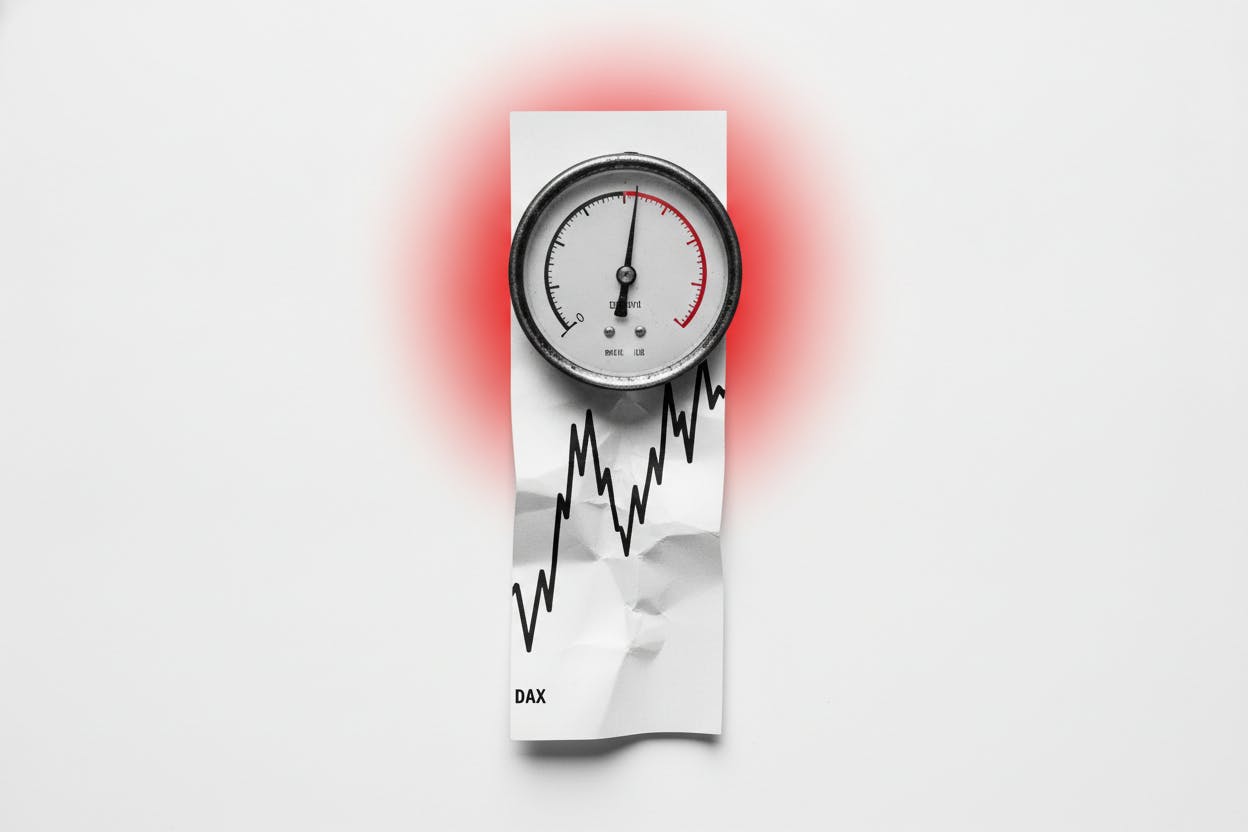
German stocks edged lower on Tuesday, with the DAX index slipping 0.31%, as investors digested a hotter-than-expected reading on producer prices and a fresh geopolitical warning from Washington.
Germany's Federal Statistical Office, Destatis, reported that producer prices—what businesses charge other businesses for goods—rose 3% in July compared with the same month a year earlier. On a monthly basis, prices climbed 1.1% from June. Both figures came in above what economists had forecast.
The jump was driven largely by higher costs for intermediate goods—inputs used to make other products—and energy. That combination can squeeze manufacturers' profit margins if they can't pass those costs along to customers, and it can also feed into broader inflation if they do.
Why producer prices matter
Producer prices are often seen as an early warning signal for consumer inflation. When factories and other businesses pay more for their raw materials and components, those costs tend to work their way through supply chains and eventually show up in the prices consumers pay. Central banks, including the European Central Bank, watch these figures closely as they decide how to set interest rates.
Tuesday's data suggests that price pressures in Europe's largest economy are not fully under control, even as inflation has cooled from the peaks seen in 2022 and 2023. That could complicate the ECB's path toward cutting interest rates, which investors have been hoping for. Lower rates tend to boost stock valuations and make borrowing cheaper for companies, so any sign that they might be delayed can weigh on equity markets.
The DAX's decline was modest, but it came against a backdrop of broader caution. European stocks have been struggling to find direction recently, with oil prices hovering near multi-month highs and bond yields staying elevated.
Trump's Iran warning adds to uncertainty
Adding to the cautious mood, former President Donald Trump threatened "tremendous economic consequences" for any country that does business with Iran. The remark, reported in the source brief, raises the possibility of renewed sanctions or trade restrictions that could disrupt global energy markets and supply chains.
Iran is a major oil producer, and any move to tighten sanctions could push crude prices higher. That would feed into the same cost pressures that are already showing up in German producer prices. Higher energy costs are a particular concern for Germany, which is heavily reliant on energy imports for its manufacturing sector.
Investors have been watching oil prices closely in recent weeks, as supply concerns have kept crude elevated. If Trump's warning leads to actual policy changes, it could add another layer of uncertainty to an already fragile global economy.
What it means for investors
For everyday investors, the key takeaway is that inflation is not yet a settled issue. The producer price data out of Germany is a reminder that cost pressures can persist even when consumer inflation appears to be cooling. That could influence how quickly central banks like the ECB and the Federal Reserve move to cut interest rates.
If rates stay higher for longer, that tends to be a headwind for stocks, particularly for growth-oriented companies that are valued on expectations of future earnings. It can also keep bond yields elevated, which makes fixed-income investments more attractive relative to equities.
For those with exposure to European markets, the DAX's dip is a signal to stay alert. The index has been resilient this year, but it remains sensitive to inflation data, energy prices, and geopolitical headlines. Diversification across regions and asset classes can help cushion against these kinds of swings.
Investors should also keep an eye on how the situation with Iran develops. Any escalation could have ripple effects through oil prices and global trade, affecting everything from transportation costs to consumer goods prices. While it's impossible to predict the outcome, being aware of these risks is part of prudent investing.
In the meantime, the focus will shift to upcoming economic data and central bank communications. The ECB's next policy meeting is on the horizon, and any hints about the timing of rate cuts will be closely scrutinized. For now, the message from the markets is clear: inflation and geopolitics remain the twin forces shaping investor sentiment.