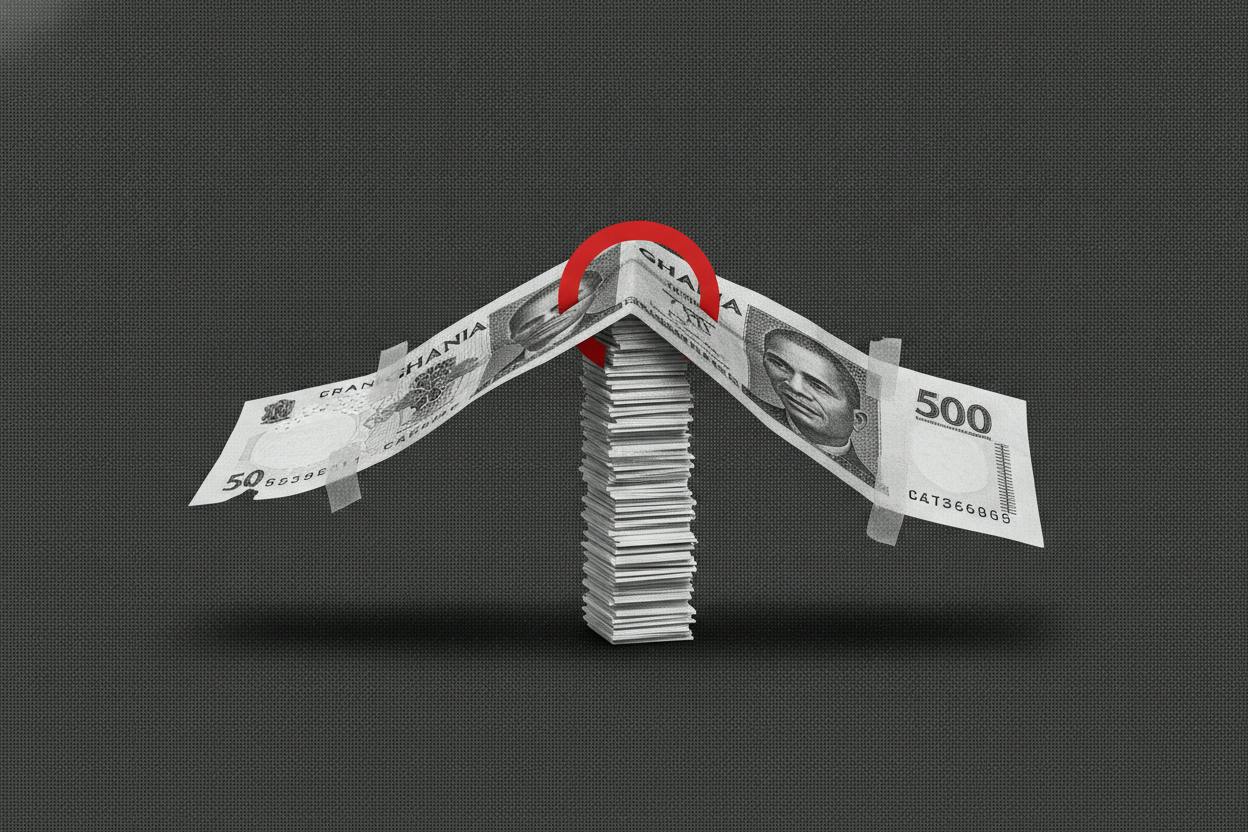
Ghana's finance minister, Cassiel Ato Forson, used the 2027 budget to sketch a four-year "New Economy" spending program worth $10 billion, with a clear emphasis on domestic funding. The announcement came as the International Monetary Fund (IMF) signaled that its engagement with the country is moving from crisis support to longer-term reforms, a tone shift that markets in Africa and beyond are watching closely.
The plan, outlined late Thursday, focuses on raising output, exports, and jobs. But the key phrase for investors is "domestically funded." That means Ghana will rely more on taxes and local-currency bonds rather than external borrowing, a choice that has immediate implications for the country's financial markets.
What does "domestically funded" mean for markets?
When a government funds its spending at home, it competes more directly with businesses for cedi funding. That can lead to more bond issuance, higher local interest rates, and tighter credit conditions for companies and households. It also makes the cedi more sensitive to investor outflows, especially when the dollar is strong.
Traders already expect the cedi to weaken against the dollar over the coming week, which keeps attention on Ghana's local bond market and exchange rate as the first "pressure gauges" to move. This is a familiar pattern for emerging markets: domestically financed programs often show up first in local-currency markets.
If investors believe the government will issue more cedi debt, they often demand higher yields to lend for longer. That can steepen or shift the local yield curve, resetting pricing for banks and corporates. A tighter funding mix can also leave the currency more exposed if global investors pull money from riskier markets, particularly during bouts of dollar strength. In other words, even though the spending starts in 2027, markets can start pricing the financing path well before then.
IMF's shift: from crisis to reform
The IMF's statement that growth has been stronger than expected and that its focus is shifting toward deeper reforms and resilience is a notable change in tone. For countries that have recently been under financial stress, such signals are closely watched. They can influence investor sentiment, borrowing costs, and the pace of capital flows.
Ghana has been through a difficult period, with high inflation, a debt restructuring, and a currency that has faced repeated pressure. The IMF program has been a key anchor for policy, and the shift from crisis response to longer-term reforms suggests the worst may be over, but it also means the government must now deliver on structural changes.
For everyday investors, this is a reminder that government spending plans and international lender signals can move markets. The cedi and local bond yields are the first places to look for signs of strain or confidence.
What it means for investors
For those with exposure to Ghanaian assets, the $10 billion plan puts the cedi and local yields under the spotlight. A domestically funded program can be a double-edged sword: it shows fiscal self-reliance, but it can also crowd out private borrowing and put upward pressure on interest rates.
Investors will likely watch the upcoming bond auctions, the central bank's policy stance, and any signs of dollar strength that could trigger outflows. The broader emerging-market backdrop also matters, as African currencies have been diverging with uneven dollar demand, and hot US inflation has revived Fed hike bets, which can strengthen the dollar and pressure riskier assets.
For now, the message from Ghana is one of cautious optimism: a plan to grow the economy, funded at home, with the IMF's blessing for reform. But the proof will be in the execution, and markets will be watching the cedi and bond yields as the first test.
As with any government spending plan, the details matter. How will the government raise the funds? What will it spend on? And can it avoid the pitfalls of domestic borrowing that have tripped up other emerging markets? These are the questions investors will be asking in the coming months.
For the average investor, the takeaway is simple: government policy and international lender signals can have a direct impact on currencies and bond markets. Keeping an eye on these developments can help you understand the risks and opportunities in emerging-market investments.