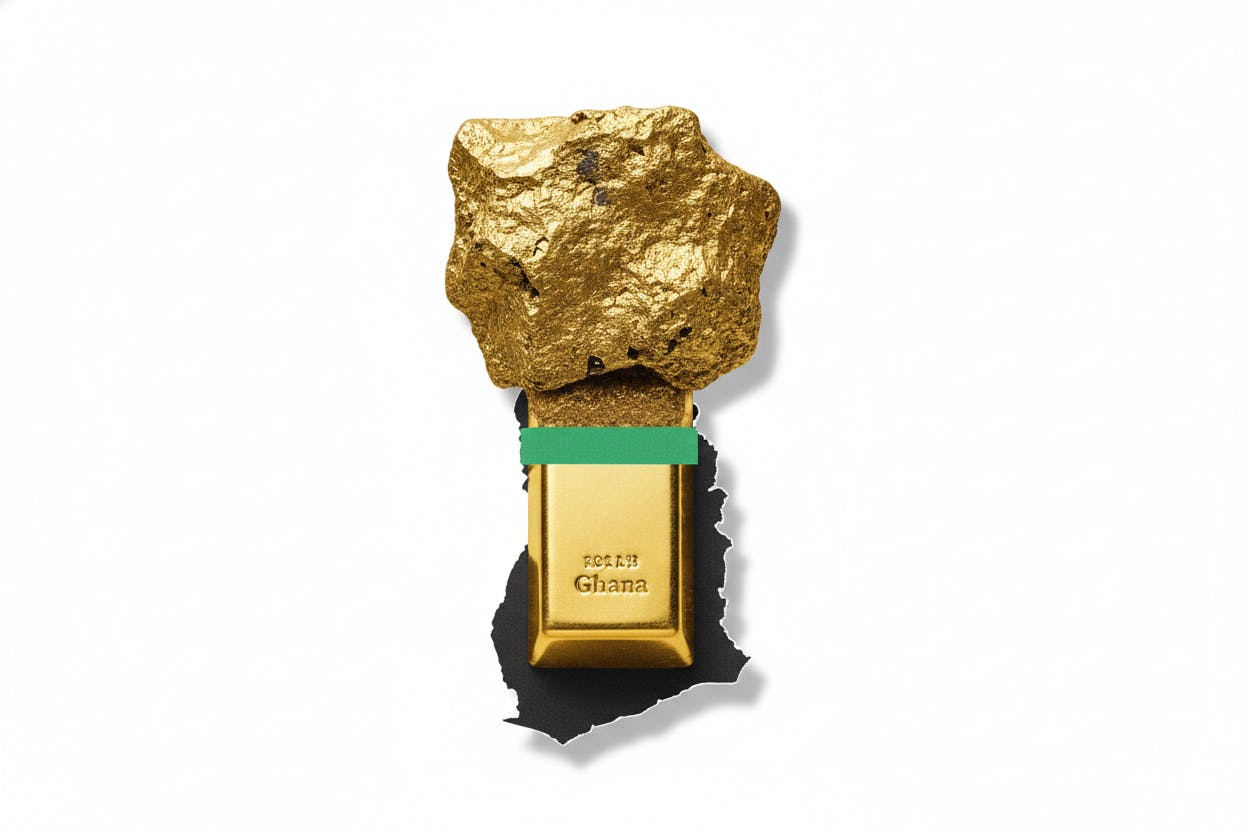
Ghana's state gold buyer, GoldBod, has purchased an estimated 50 to 54 metric tons of gold from artisanal and small-scale miners during the first half of 2026, the agency announced. Despite a recent pullback in global gold prices, GoldBod expects the country's total gold export earnings for the year to still exceed last year's record.
The announcement underscores Ghana's push to formalize and capture value from its vast small-scale mining sector, which has historically operated largely outside official channels. By centralizing purchases, the government aims to boost tax revenue, curb smuggling, and increase foreign exchange reserves.
What Is GoldBod and Why Does It Matter?
GoldBod is Ghana's state-owned gold buying agency, established to purchase gold from small-scale miners—often called artisanal miners—who work with basic tools and limited capital. These miners produce a significant share of Ghana's gold output, but much of it was previously sold on informal markets or smuggled out of the country.
By acting as a guaranteed buyer, GoldBod offers miners a transparent price based on international benchmarks, paid in local currency. In return, the government gains a reliable source of gold for export, which earns foreign currency and supports the cedi. The program is part of broader efforts to stabilize Ghana's economy, which has faced high debt and inflation in recent years. For context, Ghana completed a final bond swap in its debt restructuring earlier this year, with investors taking a 39% haircut—a reminder of the country's ongoing fiscal challenges.
Gold Prices Have Cooled, But Volume Is Key
Global gold prices have softened from their 2025 peaks, driven by a stronger U.S. dollar and expectations that major central banks will keep interest rates elevated. However, GoldBod's purchase volumes suggest that Ghana's small-scale mining sector is ramping up production. The 50-54 metric tons bought in just six months represents a substantial haul—equivalent to roughly 1.6 to 1.7 million troy ounces.
Even with lower per-ounce prices, the sheer increase in volume could push total export earnings above last year's level. This is a classic volume-versus-price trade-off: when prices fall, producers that can boost output may still grow revenue. For a commodity exporter like Ghana, this dynamic is critical.
What It Means for Investors
For everyday investors, the GoldBod story offers a window into how commodity-dependent economies manage price cycles. Ghana is Africa's second-largest gold producer after South Africa, and gold is a major source of foreign exchange. When gold prices are high, the country benefits; when they fall, it can hurt the cedi and raise import costs.
GoldBod's success in aggregating small-scale output could help Ghana weather softer prices better than in the past. More formalized gold sales mean more predictable tax revenue and less leakage to smuggling. That could improve Ghana's credit profile over time, which matters for holders of Ghanaian bonds or anyone invested in emerging-market funds.
For those invested in gold itself—through exchange-traded funds (ETFs) or mining stocks—the news is a reminder that supply from smaller producers is growing. While major miners like Newmont and AngloGold Ashanti dominate headlines, artisanal mining accounts for a significant share of global gold supply, especially in West Africa. Increased official purchases could reduce the amount of gold flowing into unofficial markets, potentially supporting prices in the long run.
Broader Market Context
Gold's recent price pullback has not been limited to Ghana. Across global markets, the precious metal has retreated from all-time highs as investors rotate into riskier assets like stocks. In the U.S., small-cap stocks have surged, with the Russell 2000 doubling the S&P 500's returns this year, as investors bet on a soft landing for the economy. Meanwhile, European stocks have been flat, with tech losses offsetting gains in mining and travel sectors.
For Ghana, the gold sector remains a bright spot. The government's ability to channel small-scale production through GoldBod could also attract more foreign investment into mining infrastructure and processing. If the program continues to deliver, it may serve as a model for other resource-rich African nations looking to formalize their artisanal mining sectors.
What to Watch Next
Investors should keep an eye on Ghana's monthly gold export data, which will show whether the volume trend continues in the second half of 2026. Also watch for any changes in global gold prices, particularly if the U.S. Federal Reserve signals a shift in interest rate policy. A weaker dollar would likely boost gold prices, amplifying the benefit of Ghana's higher volumes.
Finally, monitor GoldBod's own financial disclosures. If the agency is able to maintain or increase its purchase volumes while keeping costs under control, it could become a more significant player in the global gold market—and a more important contributor to Ghana's economic stability.



