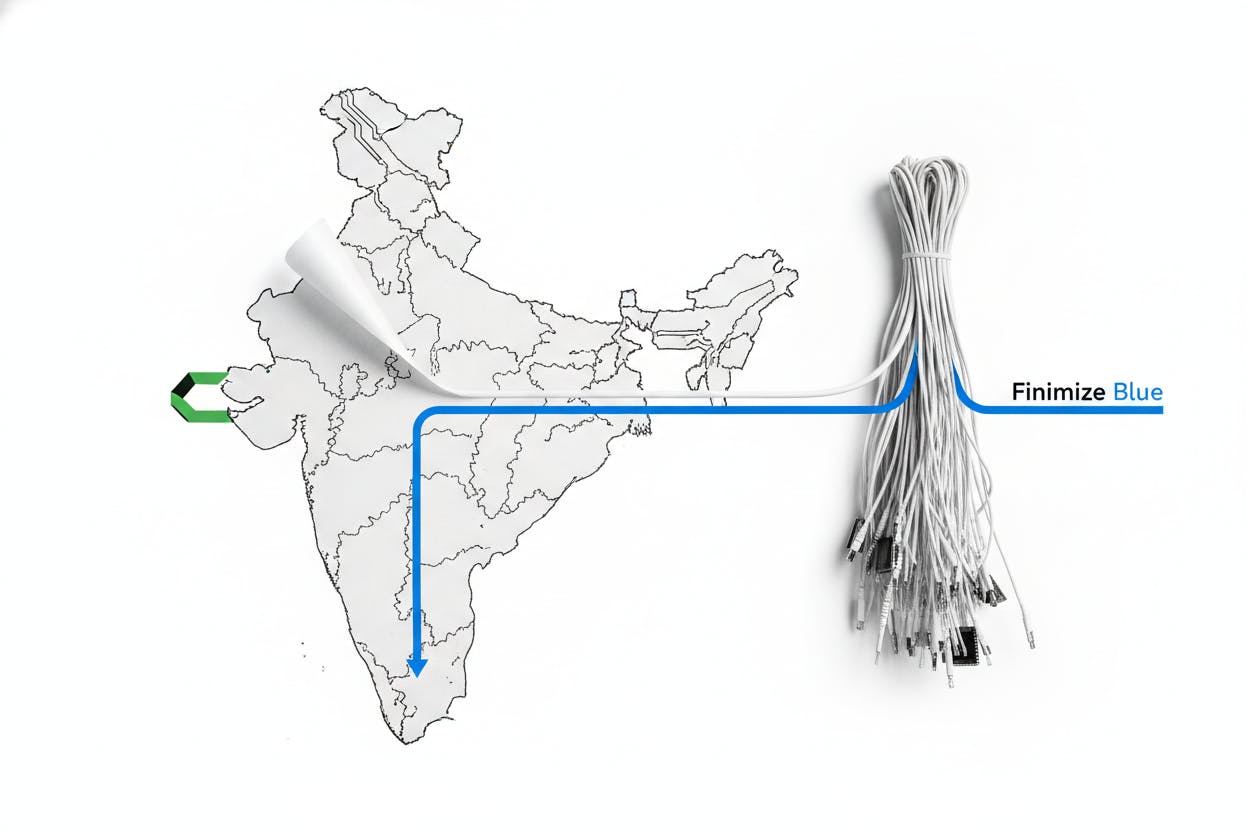
In a notable shift, India's IT stocks have become a favored destination for global investors looking to diversify away from crowded artificial intelligence trades. The Nifty IT index, which tracks the country's largest software and technology services companies, surged 16.7% in July, according to Reuters. This rally coincided with a pullback in AI-linked equities in South Korea and Taiwan, where valuations had soared on the back of the AI boom.
Why India? The 'missing exposure' becomes a shield
For much of the past year and into early 2026, India's market lagged its Asian and emerging-market peers. The primary reason: India lacked the AI mega-winners that powered rallies elsewhere. While markets like South Korea and Taiwan benefited from surging demand for AI chips and hardware, India's tech sector is more focused on software services, consulting, and back-office operations—areas less directly tied to the AI hardware boom.
But when the AI trade cooled, that 'missing exposure' turned into a protective buffer. Investors who had piled into North Asian and US tech stocks began to trim those positions, looking for markets less vulnerable to a sharp AI correction. India, with its relatively cheaper valuations and a different tech profile, became an attractive alternative.
According to Reuters, some fund managers rotated into India instead of staying concentrated in North Asian and US tech. This rotation helped drive the Nifty IT index's strong July performance and drew fresh foreign inflows into Indian equities.
What this means for investors
For everyday investors, this shift highlights the importance of diversification. While AI has been a powerful driver of returns, it also carries concentration risk. When a single theme dominates market gains, a reversal can hit those markets hard. India's IT sector offers a different kind of tech exposure—one tied to global IT spending, digital transformation, and outsourcing, rather than just AI hardware.
The rally in Indian IT stocks also reflects a broader trend of investors seeking value in markets that haven't participated fully in the AI frenzy. As the foreign inflows lift Indian shares, the sector's performance could continue if global tech spending remains resilient.
However, it's worth noting that India's IT sector is not immune to global economic headwinds. A slowdown in US or European corporate spending on technology could weigh on these companies' earnings. Investors should keep an eye on quarterly results and management commentary for signs of demand trends.
Broader market context
The rotation into Indian IT stocks comes amid a mixed backdrop for Asian markets. While Asia stocks rebounded on strong US tech earnings, the yen steadied before a Bank of Japan meeting, and bond yields in Japan rose as traders awaited signals on rates. These factors can influence global capital flows, including into emerging markets like India.
India's market has also been supported by domestic factors. The country's economic growth remains relatively robust, and corporate earnings have been generally solid. The July 31 data and earnings set up a busy day for markets, with investors parsing economic indicators and company results for clues on the future trajectory.
For those watching the AI trade, the recent cooling in South Korea and Taiwan serves as a reminder that even the most promising technologies can experience valuation corrections. India's IT stocks, by contrast, offer a more diversified play on global technology spending, which may appeal to investors seeking stability.
Looking ahead
Whether the rotation into Indian IT stocks continues will depend on several factors. If AI-related earnings in the US and North Asia remain strong, some investors may return to those markets. But if the AI trade stays volatile, India's relative attractiveness could persist.
For now, the Nifty IT index's July surge is a clear sign that global investors are rebalancing their portfolios. As always, it's important for individual investors to focus on their own risk tolerance and time horizon, rather than chasing short-term trends. Diversification across regions and sectors remains a prudent strategy.