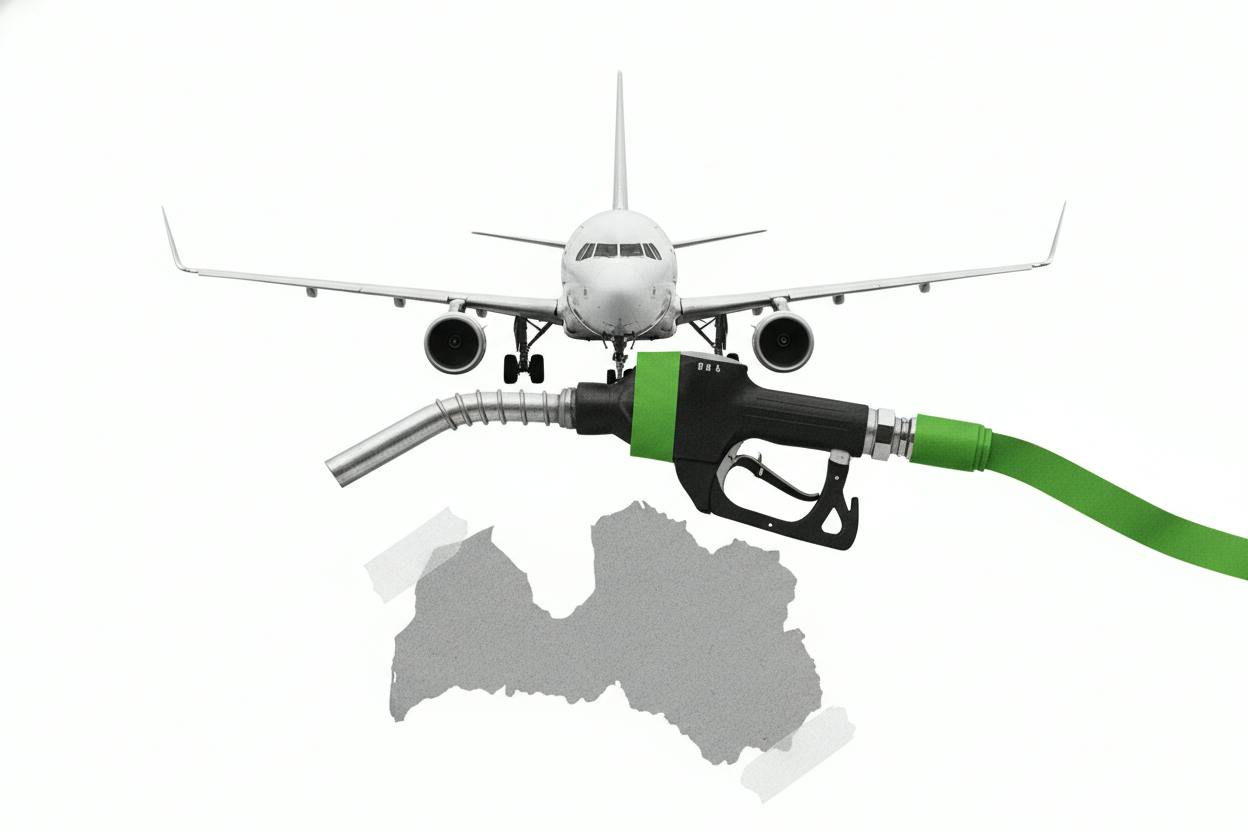
Latvia's state-backed airline airBaltic has filed for Chapter 11 bankruptcy protection in New York, a move that allows the carrier to keep operating while it works out a plan to restructure roughly $583 million of debt. To fund operations during the process, the airline has lined up €350 million in new financing at an interest rate of about 12%.
In its filing, airBaltic pointed to “acute financial stress,” driven largely by soaring jet fuel costs that have squeezed airlines with thin cash buffers. The company also disclosed that it still owes €106 million in payroll taxes and other aviation taxes and fees, even after reporting about €779 million in revenue for 2025.
Why fuel costs are hitting airlines so hard
Jet fuel is typically one of the largest operating expenses for any airline, often second only to labor. When crude oil prices climb, fuel costs can rise quickly, and carriers with limited cash reserves or high debt loads feel the pinch first. Airlines have limited ability to pass on higher costs to passengers immediately, especially in competitive markets where fare increases can drive customers to rivals.
Fuel prices have been elevated in recent months, partly due to geopolitical tensions and supply concerns. For example, Brent crude has topped $107 as Red Sea shipping risks lift tanker costs, adding to the pressure on airlines that rely on imported fuel. While airBaltic's specific fuel contracts are not public, the broader trend of rising energy prices has made it harder for airlines to maintain profitability.
airBaltic is not alone in facing these headwinds. Many smaller and mid-sized carriers across Europe have struggled to keep up with fuel costs, labor shortages, and post-pandemic debt. The airline's decision to seek Chapter 11 protection in the U.S. rather than a local insolvency process is notable because Chapter 11 allows a company to continue operating while it negotiates with creditors, often with less disruption to its flight schedule.
What Chapter 11 means for airBaltic and its passengers
Chapter 11 is a form of bankruptcy protection available in the United States that lets a company restructure its debts while keeping its business running. For airBaltic, this means flights are expected to continue as normal while it works on a plan to reduce its debt load and return to financial health. The company has secured €350 million in debtor-in-possession financing, a type of loan that is given priority over other debts and is designed to keep the company afloat during the restructuring.
The 12% interest rate on that financing reflects the high risk lenders see in the airline's situation. For comparison, many established airlines can borrow at much lower rates, but a company in distress often has to pay a premium to attract capital. This financing is a lifeline, but it also adds to the company's overall debt burden, which will need to be addressed in the restructuring plan.
For passengers, the key takeaway is that airBaltic intends to keep flying. Chapter 11 filings are common among U.S. airlines, and many have emerged from the process with a stronger balance sheet. However, there is always uncertainty, and travelers may want to keep an eye on any changes to schedules or ticket policies.
What it means for investors
For everyday investors, airBaltic's situation is a reminder of how vulnerable airlines are to external shocks like fuel prices. The airline's revenue of €779 million in 2025 shows it has a substantial business, but that revenue is not enough to cover its costs and debt payments when fuel prices spike. This is a classic example of how high operating leverage can work against a company: when revenue is strong, profits can be solid, but when costs rise, losses can mount quickly.
Investors who hold bonds or other debt issued by airBaltic will be watching the restructuring closely, as they may face losses or extended timelines for repayment. Equity holders, including the Latvian state, which owns a majority stake, could see their investment diluted or wiped out depending on how the restructuring is structured.
For those with broader market exposure, the airline's troubles are a reminder of the appeal of defensive stocks during periods of high energy costs. Airlines are cyclical and sensitive to fuel prices, while sectors like utilities or consumer staples tend to be more stable. Similarly, hot core inflation has not stopped financials and real estate stocks from rising, showing that not all sectors are equally affected by cost pressures.
Looking ahead, investors will be watching fuel price trends, as well as airBaltic's ability to negotiate with creditors and reduce its tax liabilities. The airline's success in restructuring could set a precedent for other European carriers facing similar challenges. For now, the key takeaway is that high fuel costs are not just a headline issue—they have real consequences for companies and their investors.