Arabica coffee futures on ICE stabilized on Tuesday after sliding to a 10-week low earlier in the session, as traders weighed signs of increasing exchange-certified supply against improved crop prospects in Brazil, the world's largest coffee producer.
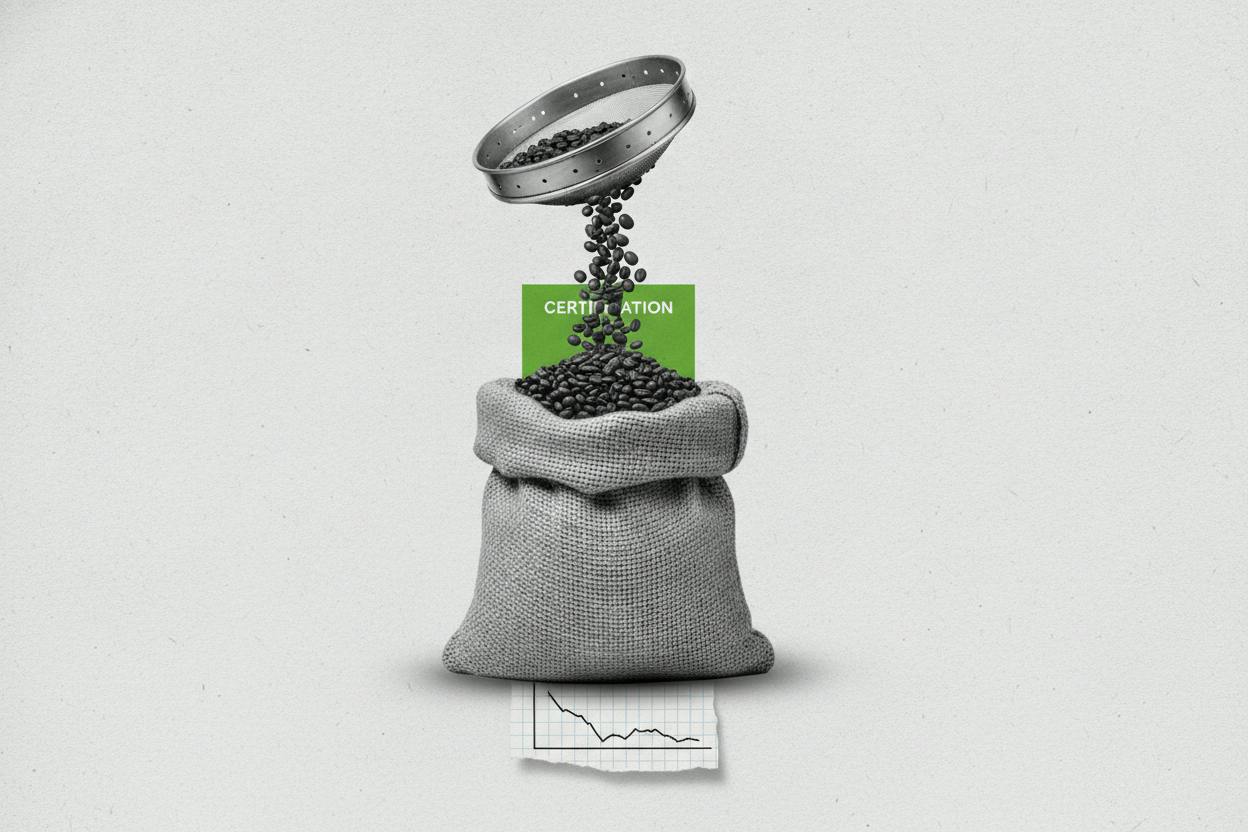
The pause follows a sharp decline that has brought prices down from recent highs, driven by expectations that more coffee could soon be delivered against futures contracts. ICE, the exchange where arabica trades, reported that nearly 65,000 bags are currently pending grading—quality checks that must be completed before the coffee can be certified for delivery against futures positions.
Dealers, brokers, and analysts told Reuters that traders expect to deliver at least some of that coffee into exchange warehouses, which would help replenish inventories that have been sitting near historic lows. The prospect of additional supply entering the delivery pipeline has weighed on prices, even as the broader supply picture remains tight.
Why delivery matters for coffee prices
For everyday investors, the key to understanding this move is recognizing that coffee futures prices are not just about global supply and demand. They also reflect what is available for immediate delivery right now. When exchange-certified stocks are low, prices can spike because buyers who need physical coffee may struggle to find it. Conversely, when more coffee is certified and available, prices tend to ease.
ICE-certified stocks have been a focal point for months, having fallen to a 26-year low earlier this year. That scarcity helped push arabica prices to multi-year highs. Now, with pending grading volumes rising, the market is betting that some of that tightness will ease.
At the same time, Brazil has been receiving heavy rains, which are improving the flowering of the next coffee crop. Flowering is a critical stage in coffee development—good rains during this period can lead to a larger harvest down the road. That has added to the bearish sentiment, as traders anticipate a potentially stronger Brazilian crop in the coming season.
What this means for investors
For investors who hold coffee futures or trade coffee-related exchange-traded funds, the recent price action is a reminder that commodity markets can be volatile and driven by short-term mechanics. The fact that prices have paused after a sharp drop does not necessarily signal a trend reversal; it could simply reflect a temporary balance between sellers and buyers.
Those with exposure to coffee through equities—such as shares of coffee roasters or retailers—may see some relief if input costs ease. However, the broader supply picture remains uncertain. While Brazil's rains are encouraging, other major producers, including Vietnam and Colombia, have faced their own challenges. A full recovery in global coffee supplies is far from guaranteed.
Investors should also keep an eye on the pending grading numbers. If those bags are certified and delivered, it could put further downward pressure on prices. If not, the market could quickly tighten again, especially if demand remains robust.
Broader commodity context
The coffee market is not moving in isolation. Other soft commodities have been active recently, with sugar jumping on signals of Indian import demand and coffee falling to its 10-week low in the same session. Meanwhile, energy and metals markets have been reacting to geopolitical tensions and trade policy shifts, as seen in oil topping $100 and copper slipping on tariff uncertainty.
For investors, the takeaway is that commodity prices are influenced by a complex mix of weather, logistics, and policy. Coffee's pause after a 10-week low is a good example of how short-term delivery dynamics can overshadow longer-term supply concerns. As always, diversification and a long-term perspective remain important when navigating these markets.