Copper prices slipped again this week as traders held their breath over a US tariff decision that could reshape where the metal is stored and delivered. The focus is on a potential Section 232 tariff on refined copper, which Everbright Futures, a Chinese brokerage, expects to be decided on September 28th. That uncertainty has already hit US-linked pricing: COMEX copper fell more than 4% last week, and Reuters reported a sharp drop on Thursday after the White House still hadn't made up its mind.
What is a Section 232 tariff?
Section 232 of the US Trade Expansion Act of 1962 allows the president to impose tariffs on imports that are deemed a threat to national security. It's the same legal tool used to place tariffs on steel and aluminum in 2018. For copper, a tariff would make imported refined copper more expensive in the US, potentially protecting domestic producers but raising costs for manufacturers and consumers.
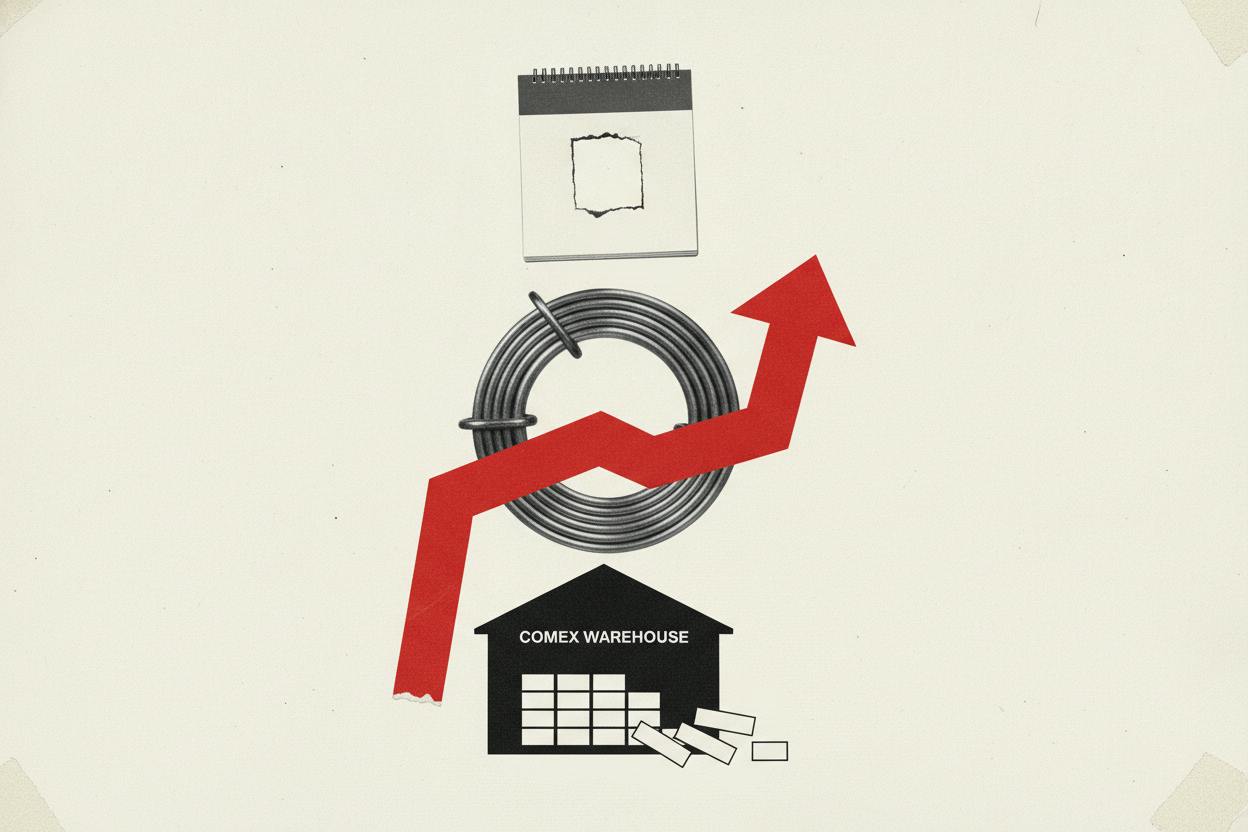
The tariff risk matters because it can pull physical copper into the US. If traders think duties are coming, shipping metal into COMEX warehouses can pay off, since it helps meet US delivery requirements and could fetch higher prices. That's why traders are watching inventory flows so closely—any hint of a tariff could trigger a rush of metal into US warehouses, while a delay or rejection could leave those stocks stranded.
Why copper prices are falling
Copper is often seen as a barometer for global economic health because it's used in everything from construction to electronics. When uncertainty rises—whether from trade policy or economic slowdown fears—prices tend to wobble. The recent slide is part of a broader pattern: copper's 10-week rally has stalled as tariff uncertainty cools prices.
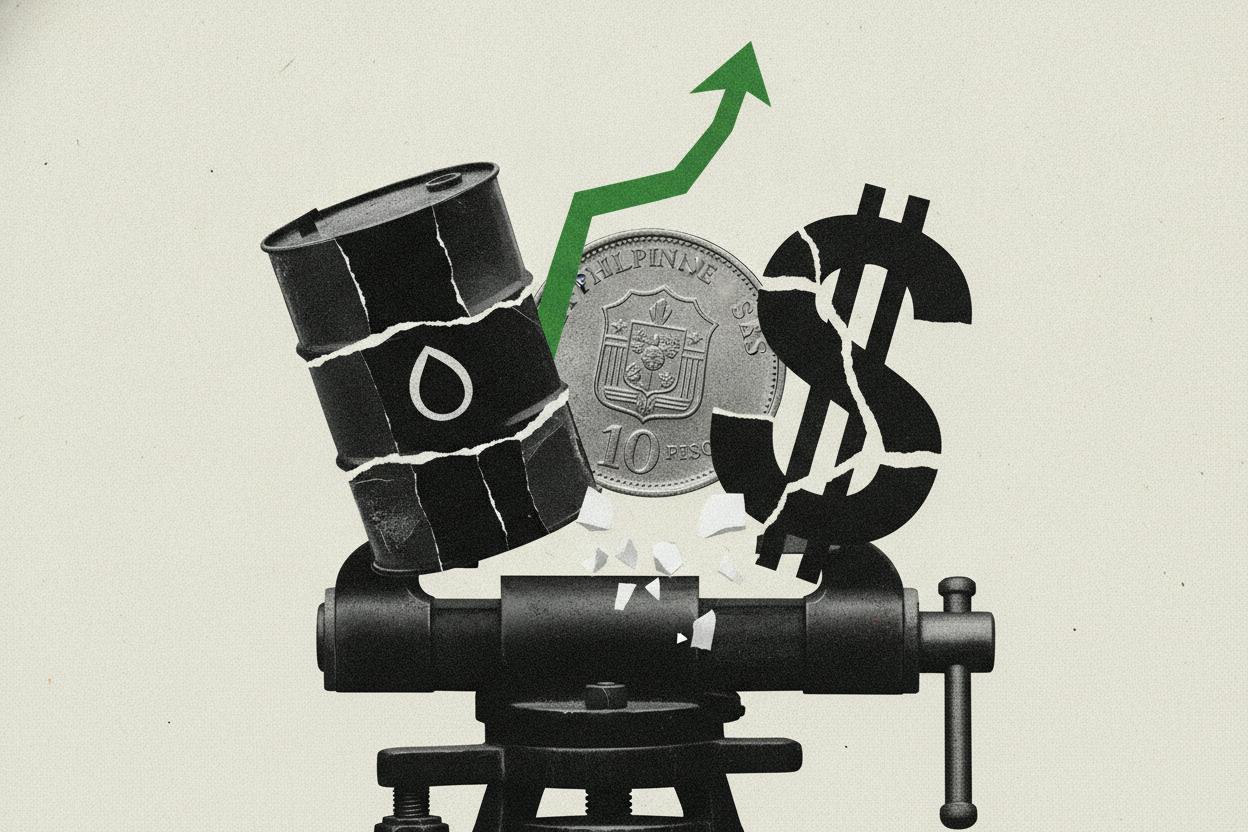
Last week's 4% drop on COMEX was notable, but it's not just about tariffs. The broader market has been jittery over inflation and interest rates. Hot inflation data has revived bets on further Federal Reserve rate hikes, which strengthens the dollar and makes dollar-priced commodities like copper more expensive for foreign buyers. That dynamic has weighed on metals across the board.
What it means for investors
For everyday investors, the copper market might seem distant, but it has ripple effects. Copper is a key input in housing, autos, and electronics, so price swings can influence inflation and corporate margins. If tariffs push US copper prices higher, manufacturers could pass on costs to consumers, adding to inflationary pressure.
For those with diversified portfolios, copper exposure often comes through mining stocks or exchange-traded funds. The current uncertainty means those investments could see volatility until the tariff decision is clear. But it's important to remember that copper prices are influenced by many factors—global demand, Chinese economic activity, and currency moves—so a single tariff decision is just one piece of the puzzle.
Investors should also watch how the tariff decision interacts with other market forces. Consumer sentiment has slipped as inflation expectations climb, which could dampen demand for copper-intensive goods. And mortgage rates near 7% are cooling the housing market, another major copper consumer.
What to watch next
The September 28th date is the key marker. If the White House announces a tariff, expect a possible spike in COMEX copper and a rush of metal into US warehouses. If it's delayed or rejected, prices could stabilize or even rebound as uncertainty lifts.
Traders will also be watching inventory data from COMEX and the London Metal Exchange. A build in US stocks would signal that traders are positioning for tariffs, while a drawdown might suggest they're betting against one.
For now, the copper market is in a holding pattern, with prices drifting lower as the clock ticks toward the decision. As one analyst put it, "The market is waiting for clarity, and until then, volatility is the only certainty."
In the meantime, investors should keep an eye on broader commodity trends. Gold has bounced as traders brace for a possible Fed hike, and other metals are feeling similar pressure. The copper story is part of a larger narrative about trade policy, inflation, and global growth—one that will continue to unfold in the coming weeks.