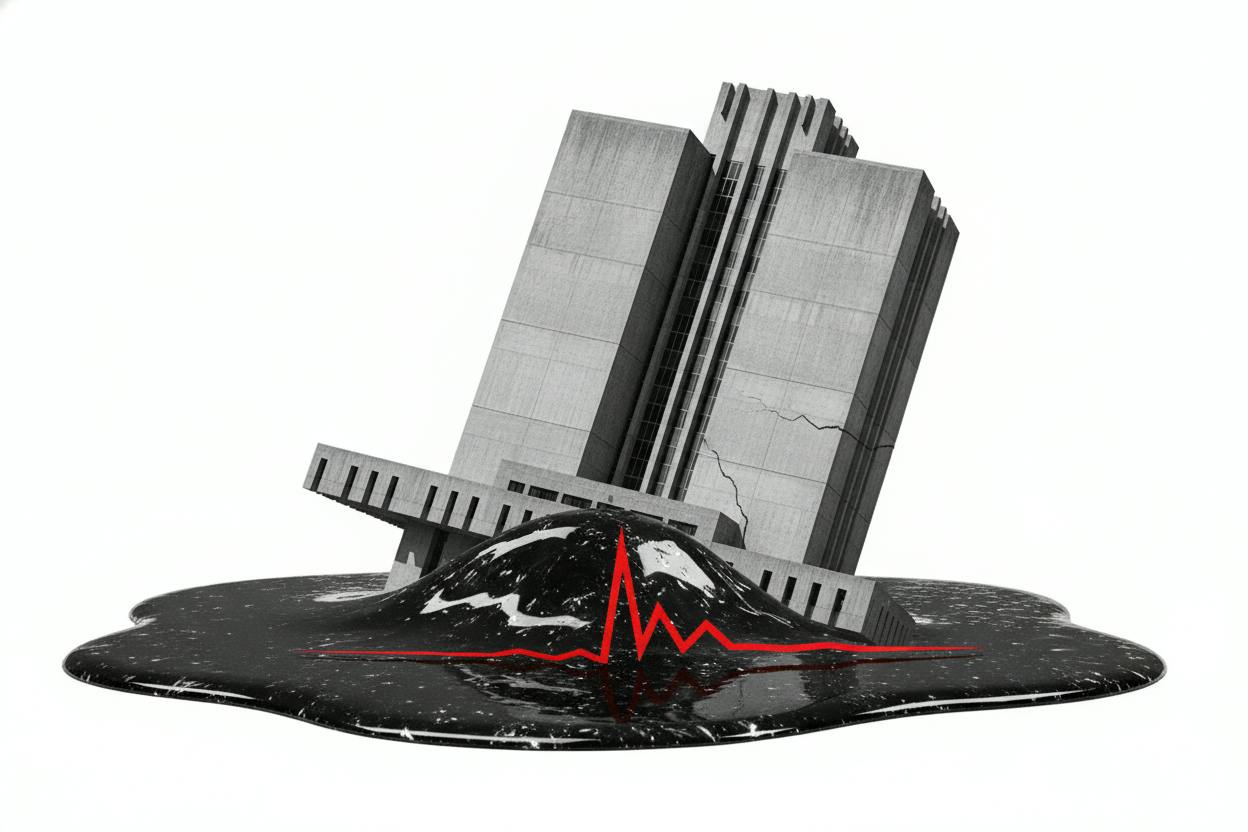
US consumers started September in a more cautious mood, with the University of Michigan's preliminary consumer sentiment index falling to 47.8. That's down from 51.7 in August, a bigger drop than economists had anticipated. The survey also showed that Americans' expectations for inflation over the next year jumped to 4.6%, up from the previous month.
The pullback was broad-based, with both the 'current conditions' and 'expectations' components of the survey weakening. Researchers at the University of Michigan, a well-known economic survey group, pointed to higher fuel prices and trade tensions as the main culprits. Both can show up quickly in household budgets, making consumers feel less confident about their finances and the broader economy.
Why inflation expectations matter
Inflation expectations are more than just a mood indicator. When people expect prices to rise faster, they may change their behavior—demanding higher wages or making purchases sooner rather than later. That can feed into actual inflation, creating a cycle that central banks watch closely.
The jump to 4.6% is notable because it comes even as the Federal Reserve has been trying to cool inflation with higher interest rates. The Fed's goal is to bring inflation down to its 2% target, and part of that effort involves keeping inflation expectations anchored. If consumers start to believe that price increases will stay high, the central bank's job becomes harder.
This latest reading aligns with other recent data showing that US inflation heated up in August, complicating the Fed's next move. Higher energy prices, especially oil, have been a key driver. Oil's return to $100 a barrel has reignited inflation worries in other countries too, and the impact is being felt globally.
What this means for investors
For everyday investors, a drop in consumer sentiment and rising inflation expectations can have several ripple effects. First, it can influence the Federal Reserve's decisions on interest rates. If inflation expectations stay elevated, the Fed may feel pressure to keep rates higher for longer, which can affect borrowing costs for mortgages, car loans, and credit cards.
Second, consumer sentiment is often seen as a leading indicator for spending. If people feel less confident, they may cut back on discretionary purchases, which could hurt companies that rely on consumer demand. That's why markets often react to sentiment surveys like this one.
However, it's important to keep in mind that sentiment is just one piece of the puzzle. Actual spending data can sometimes diverge from sentiment, and consumers may continue to spend even when they feel pessimistic. Still, the combination of falling sentiment and rising inflation expectations is a warning sign that economists and investors will be watching closely.
Broader market context
The news comes amid a backdrop of global inflation concerns. In Asia, South Korean stocks dropped after hot US inflation data and a Treasury sell-off, while Hong Kong stocks slid as oil prices stayed above $100. Even in Australia, the ASX 200 slid on fears that an oil shock could stoke further rate hikes.
Oil prices have been a major factor in the recent inflation uptick. When energy costs rise, they filter through to everything from transportation to food prices, making it harder for central banks to bring inflation down. The University of Michigan survey specifically cited fuel prices as a key reason for the jump in inflation expectations.
For investors, this means keeping an eye on energy prices and the Fed's response. If inflation expectations continue to climb, the Fed may need to be more aggressive with rate hikes, which could weigh on stock valuations. On the other hand, if oil prices stabilize and inflation expectations ease, that could provide some relief.
The bottom line
The University of Michigan's preliminary sentiment index for September fell more than expected, and one-year inflation expectations rose to 4.6%. Higher fuel prices and trade tensions are weighing on consumers' minds, and the data adds to the challenges facing the Federal Reserve as it tries to balance inflation control with economic growth.
For ordinary investors, the key takeaway is that inflation remains a central theme in the markets. It's affecting everything from consumer confidence to central bank policy, and it's likely to continue driving market moves in the coming weeks. As always, it's wise to stay diversified and focus on long-term goals rather than reacting to short-term sentiment swings.