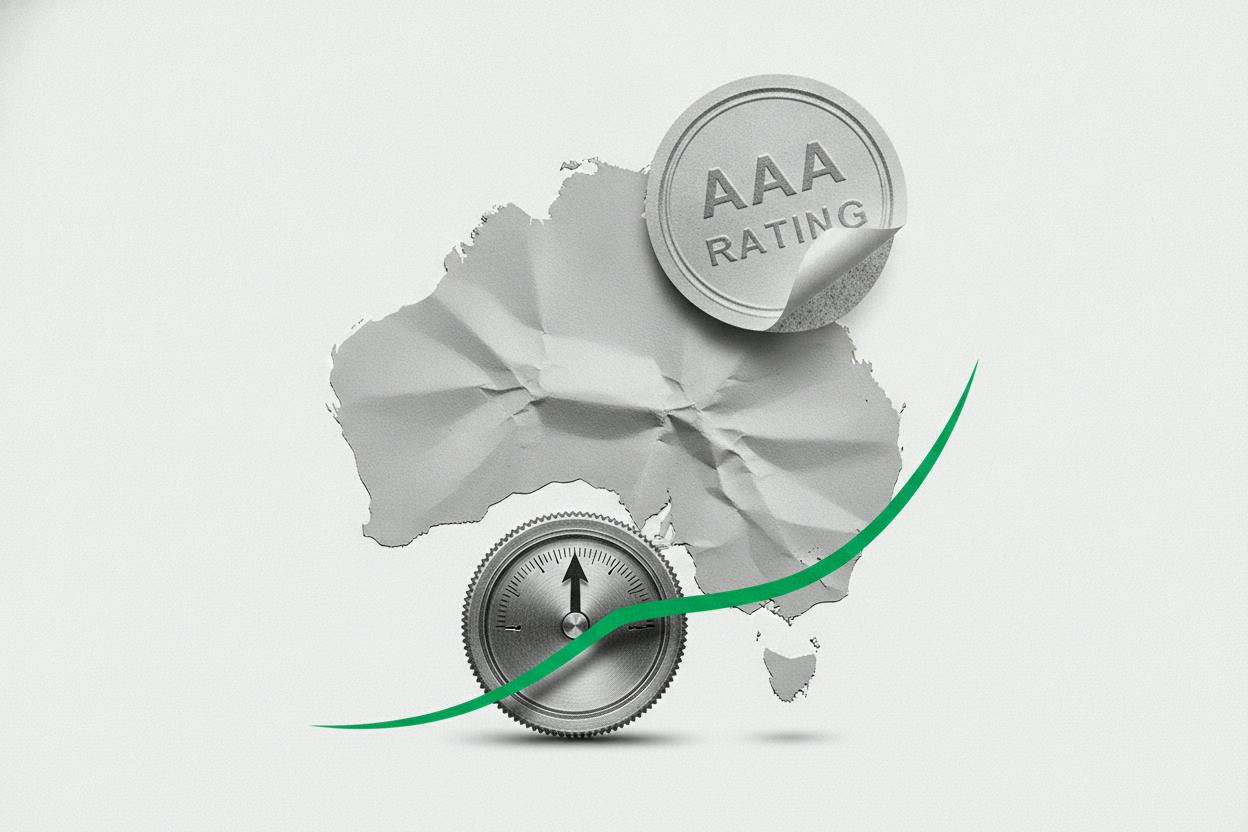
Australians swiped their cards to a record level in early August, but the pace cooled toward the end of the month, according to the latest data from Westpac. The bank's card tracker still points to healthy quarterly growth, though the driver behind the numbers may be less encouraging: pricier petrol rather than a surge in discretionary shopping.
What the data shows
Westpac, one of Australia's biggest banks, said its Westpac-DataX Card Tracker Index slipped to 158.1 in the week ended August 29th, down from 159.2 in the week ended August 8th. That earlier reading marked a record high for the index, which tracks spending on credit and debit cards across the country.
Despite the late-month dip, Westpac estimates that quarterly spending growth is running at 1.3% to 1.5%—the strongest pace since late March. That suggests the underlying consumer pulse remains reasonably firm, even if the most recent weekly numbers have softened.
Fuel prices doing the heavy lifting
The catch, according to Westpac, is that petrol prices have climbed back above AU$2 per liter after temporary excise cuts came to an end. That means a meaningful chunk of the spending growth is simply reflecting higher costs at the pump, not necessarily more shopping trips or bigger baskets of goods.
When fuel prices rise, card spending naturally ticks up because households are paying more for the same amount of petrol. Economists often describe this as a 'cost-driven' increase rather than a 'demand-driven' one. It can flatter the headline numbers while masking softer underlying consumer appetite.
This dynamic is worth watching because it echoes broader inflation trends. In many economies, energy costs have been a key driver of recent price pressures. For Australia, the rebound in petrol prices is a reminder that the cost-of-living squeeze hasn't fully faded, even as overall inflation has moderated from its peaks.
What it means for investors
For everyday investors, the card tracker is a useful window into the health of the Australian consumer, which is a major engine of the country's economy. When spending is strong and broad-based, it tends to support corporate earnings, particularly for retailers, banks, and other consumer-facing businesses. When growth is driven mainly by higher prices, the picture is more mixed.
If fuel costs continue to climb, households may have less to spend on other things, which could weigh on discretionary retailers and hospitality businesses. On the other hand, if the quarterly growth pace holds up even as petrol prices stabilize, that would be a more encouraging sign for the consumer sector.
Investors should also keep an eye on how the Reserve Bank of Australia (RBA) reacts. Persistent cost pressures, including from fuel, could influence the central bank's thinking on interest rates. Higher rates tend to cool spending and can pressure company valuations, while lower rates can provide a boost.
Broader context
The data comes as other economies also grapple with energy-driven inflation. In the United States, for example, recent producer price data showed a jump in energy costs, and consumer price reports have reflected similar pressures. These trends are part of a global story where fuel prices are once again becoming a focal point for policymakers and investors.
For Australia specifically, the end of the temporary fuel excise cut—introduced during a period of high prices—has been a key factor in the recent rise at the pump. The excise cut had provided temporary relief to motorists, but its removal has pushed prices back up.
Westpac's tracker is just one indicator, but it aligns with other signals that the Australian economy is slowing gradually rather than sharply. Unemployment remains low, and wage growth has been positive, but high interest rates and elevated living costs are still weighing on household budgets.
Looking ahead
Investors will be watching upcoming inflation data to see whether the fuel-driven pickup in spending translates into broader price pressures. If inflation proves sticky, the RBA may keep rates higher for longer, which could affect everything from mortgage rates to stock market valuations.
For now, the message from Westpac's card data is mixed: spending is holding up, but the quality of that spending is less robust than it appears at first glance. As always, it's worth looking beyond the headline numbers to understand what's really driving them.