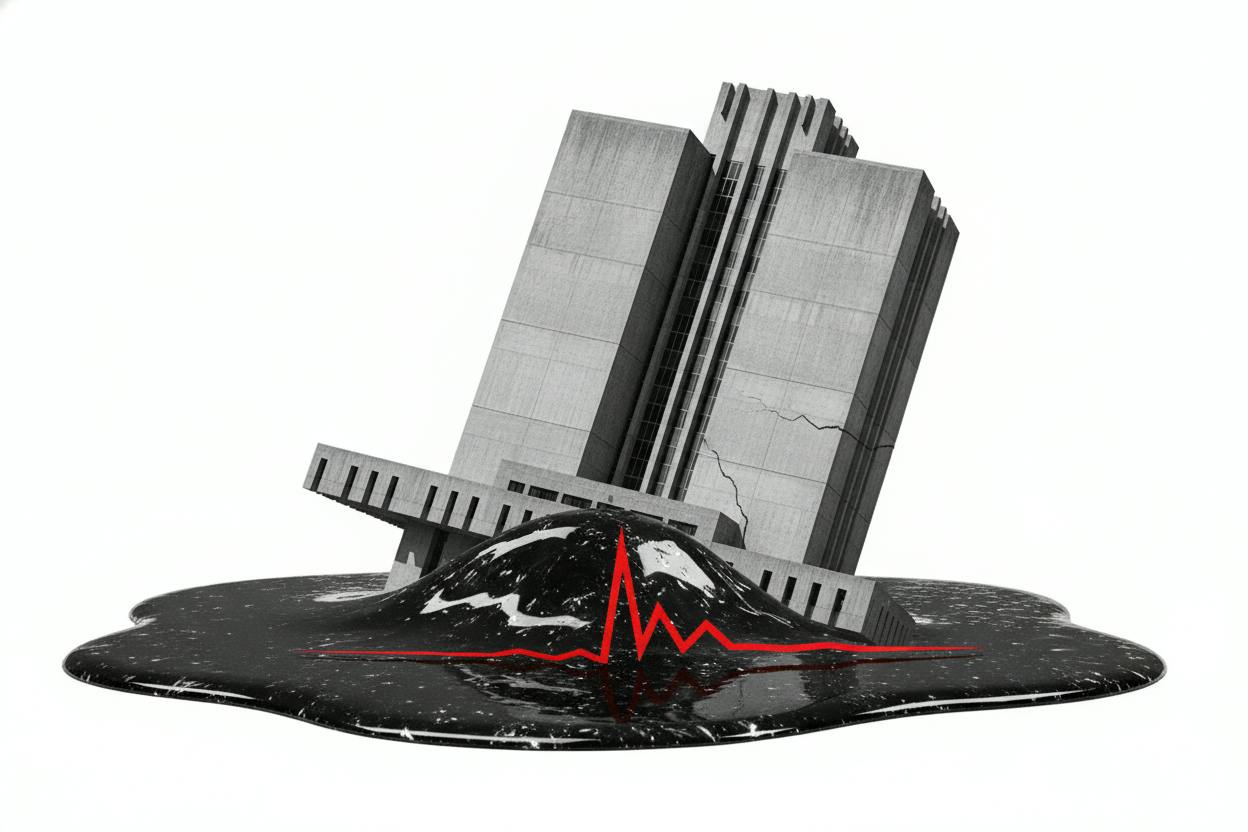
The latest US economic data paints a split picture: producer prices rose more than expected in August, driven by a surge in energy costs, while the housing market continued to cool. The Producer Price Index (PPI), which measures what businesses pay for goods and services, climbed 0.4% last month, according to the Bureau of Labor Statistics. Meanwhile, the National Association of Realtors reported that existing-home sales slipped to a seasonally adjusted annual rate of 3.98 million in August.
This divergence is a key signal for investors, as it suggests that inflationary pressures remain uneven across the economy. While the housing market is feeling the pinch of higher mortgage rates, energy prices are pushing up costs for producers, which could eventually feed into consumer prices.
What's behind the producer price increase?
The main driver of the PPI jump was energy, which rose 4.2% in August. Food prices, by contrast, were nearly flat, up just 0.1%. When you strip out volatile food and energy categories, the "core" producer price index rose 0.2%—a softer reading that suggests underlying inflation pressures are not as intense as the headline number might imply.
However, the year-over-year pace of producer prices accelerated, keeping the inflation backdrop messy. This is a concern for the Federal Reserve, which has been trying to bring inflation down to its 2% target. The central bank has raised interest rates aggressively over the past year, and the latest data could influence its next move.
For everyday investors, producer prices matter because they often foreshadow changes in consumer prices. If businesses are paying more for inputs, they may pass those costs on to consumers, which could keep inflation elevated. That, in turn, could prompt the Fed to keep rates higher for longer, affecting everything from mortgage rates to stock valuations.
Housing market continues to cool
On the other side of the ledger, the housing market is showing clear signs of cooling. Existing-home sales fell to a 3.98 million annual pace in August, down from the previous month. This decline is largely attributed to mortgage rates that have been hovering near 7%, making home purchases less affordable for many buyers.
The National Association of Realtors, a US trade group, compiles these figures, and the slowdown is consistent with a broader trend of housing affordability slipping as mortgage rates near 7%. Higher borrowing costs have reduced demand, and sellers are increasingly having to adjust their price expectations.
For investors, a cooler housing market can have mixed implications. On one hand, it may help ease inflationary pressures in shelter costs, which are a significant component of consumer price indices. On the other hand, a slowdown in home sales can weigh on economic growth, as housing-related spending and construction activity tend to ripple through the broader economy.
What it means for investors
The split signals from August data leave the Federal Reserve in a tricky spot. On one hand, the rise in producer prices, especially the jump in energy costs, could argue for further rate hikes to prevent inflation from becoming entrenched. On the other hand, the cooling housing market suggests that higher rates are already doing their job in slowing down rate-sensitive sectors.
This is not the first time this year that inflation data has surprised to the upside. Earlier, a hotter-than-expected consumer price index (CPI) report and rising oil prices rattled markets and revived bets on Fed rate hikes. The recent climb in oil prices, which have been hovering around $100 a barrel, has added to the inflationary pressure, as seen in the energy component of the PPI.
For bond investors, the persistence of inflation is a key concern. Higher inflation erodes the real return on fixed-income investments, and if the Fed is forced to keep rates higher, bond prices could remain under pressure. Oil's climb above $100 has kept bond markets on edge, and the latest PPI data is unlikely to ease those worries.
Stock investors, meanwhile, are watching to see whether corporate earnings can withstand the combination of higher input costs and slowing demand. Companies in energy-sensitive sectors may benefit from higher prices, but those in housing and consumer discretionary could face headwinds.
The bottom line
The August data underscores the complexity of the current economic environment. Inflation is not uniformly cooling, and the housing market is not the only sector feeling the strain of higher rates. The Fed will have to weigh these conflicting signals as it decides on its next policy move.
For ordinary investors, the key takeaway is that the path to lower inflation is likely to be bumpy. Diversification remains important, as different asset classes may react differently to the evolving data. While no one can predict the Fed's next move with certainty, staying informed about these economic indicators can help you make more educated decisions about your portfolio.
As always, it's wise to focus on long-term goals rather than reacting to short-term data points. The economy is navigating a period of adjustment, and patience is often rewarded.