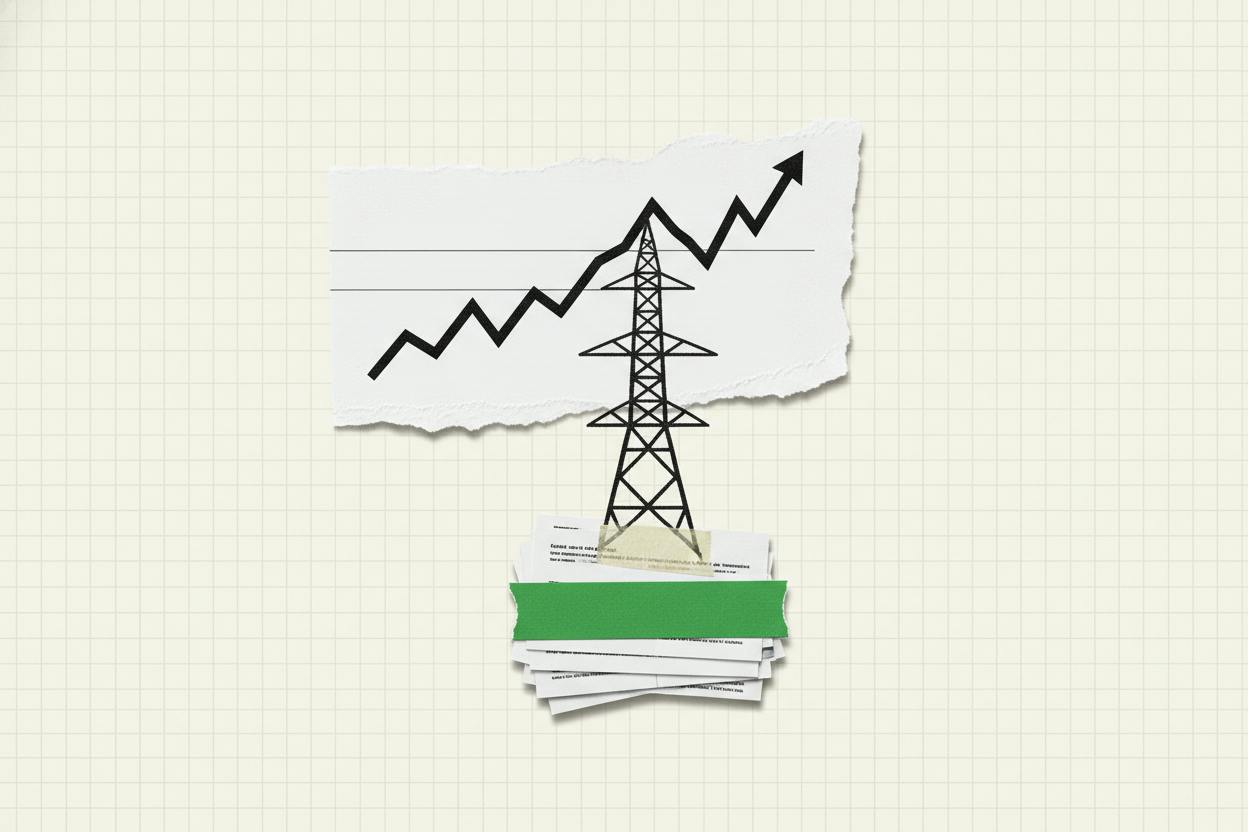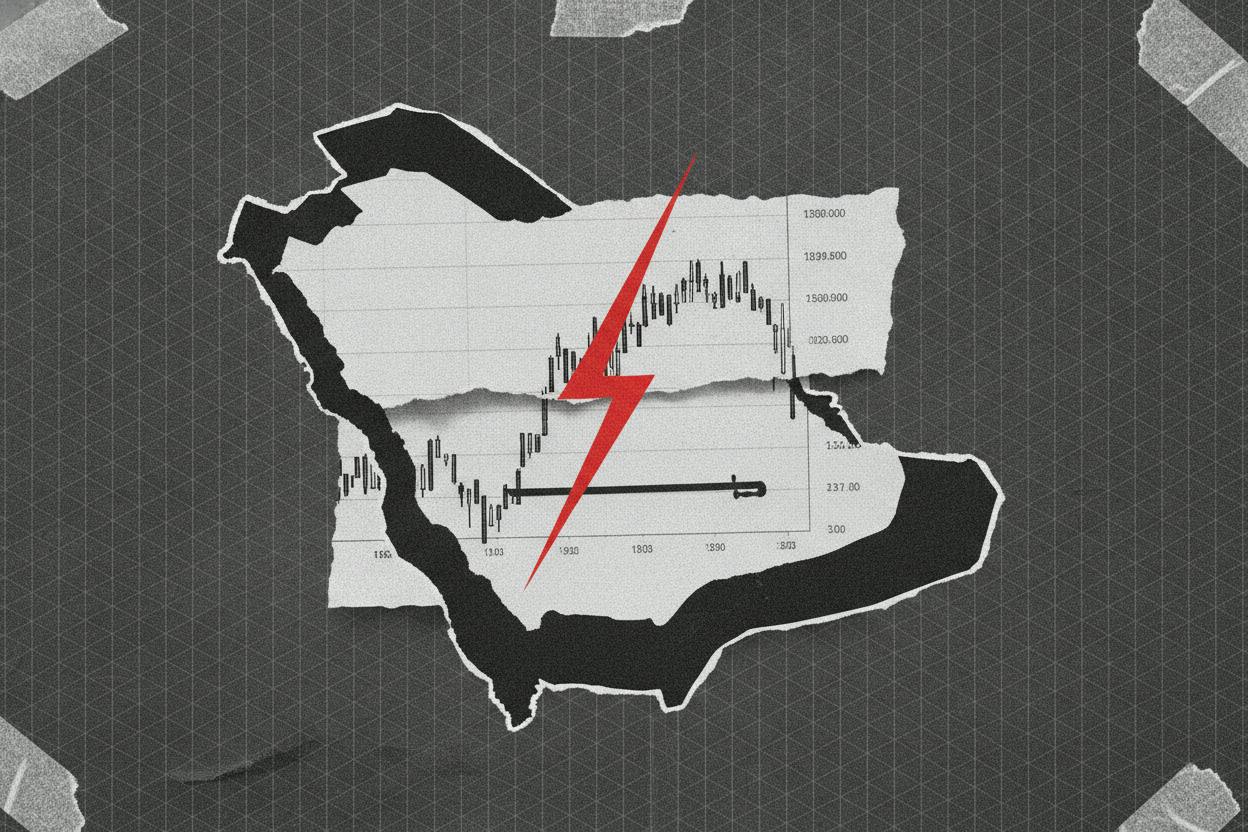
Oil's return to triple digits is putting bond markets on edge, reviving a familiar worry: higher energy costs could keep inflation sticky just as central banks are already wrestling with high interest rates. Traders are now focused on two key events this week—the European Central Bank's (ECB) expected rate hike and Thursday's US inflation report—for clues on how long borrowing costs will stay elevated.
Why oil matters for bonds
When oil prices rise, they feed directly into the cost of goods and services, from petrol at the pump to shipping and manufacturing. That can slow the decline in inflation, which is why investors watch crude closely. Brent crude, the international benchmark, has moved back above $100 a barrel, a level that historically signals tighter energy markets and potential upward pressure on prices.
For bond markets, the stakes are high. Bond yields—the effective interest governments pay on their debt—have been hovering near multi-year highs across major markets. In the US, Treasury yields have climbed; in the UK, 10-year gilt yields recently hit their highest since 2007, and in the eurozone, yields have paused near 15-year highs. When investors expect inflation to stay higher for longer, they typically demand higher yields to compensate for the erosion of purchasing power. That pushes bond prices down, which is why rising yields often unsettle stock markets too.
ECB decision and US inflation in focus
The ECB is widely expected to raise its key interest rate at its upcoming meeting, continuing its campaign to bring inflation back to its 2% target. But with oil prices climbing, the central bank faces a delicate balancing act: it needs to tighten policy enough to cool price pressures, but not so much that it chokes off economic growth.
Across the Atlantic, Thursday's US inflation report will be scrutinised for signs that price pressures are easing or re-accelerating. A hotter-than-expected reading could reinforce the case for the Federal Reserve to keep rates higher for longer, which would likely push yields up further. Conversely, a cooler number might ease some of the pressure on bond markets.
The combination of high oil and high yields is a familiar headache for investors. Stock valuations look balanced once you factor in bond yields, but that balance can quickly tip if yields keep climbing. Higher yields make bonds more attractive relative to stocks, and they also raise the cost of borrowing for companies, which can squeeze profit margins.
What it means for investors
For everyday investors, the key takeaway is that oil's move above $100 is not just an energy story—it has ripple effects across portfolios. If inflation stays stubborn, central banks may keep rates higher for longer, which can weigh on stock prices and increase volatility in both bond and equity markets.
Bond investors, in particular, should be aware that yields near multi-year highs mean prices have already fallen. But that also means new purchases of government bonds offer higher income than they did a year or two ago. For those holding longer-duration bonds, the risk of further price declines remains if yields keep rising.
In Asia, Hong Kong stocks slipped 1.3% as oil stayed above $100 and US inflation loomed, reflecting the global nervousness. Similarly, China and Hong Kong stocks slid as oil held above $100 on Mideast tensions, showing how geopolitical risk and energy prices feed into market sentiment.
Oil's rise has also put pressure on emerging markets, particularly those that are net importers of energy. Oil's return to $100 pressures Latin American markets, where higher fuel costs can stoke inflation and force central banks to keep rates elevated.
Meanwhile, gold—often seen as a hedge against inflation and uncertainty—has held near recent highs as traders await the US inflation data. Gold holds near $4,396 as traders await US inflation data, underscoring the defensive mood.
The road ahead
The next few days will be crucial. The ECB's decision and the US inflation print will give investors a clearer picture of the global rate path. If inflation proves stickier than expected, bond yields could push even higher, and the pressure on stocks could intensify. If inflation cools, markets may breathe a sigh of relief.
For now, the message from bond markets is clear: they are nervous. And with oil above $100, that nervousness is unlikely to fade quickly.