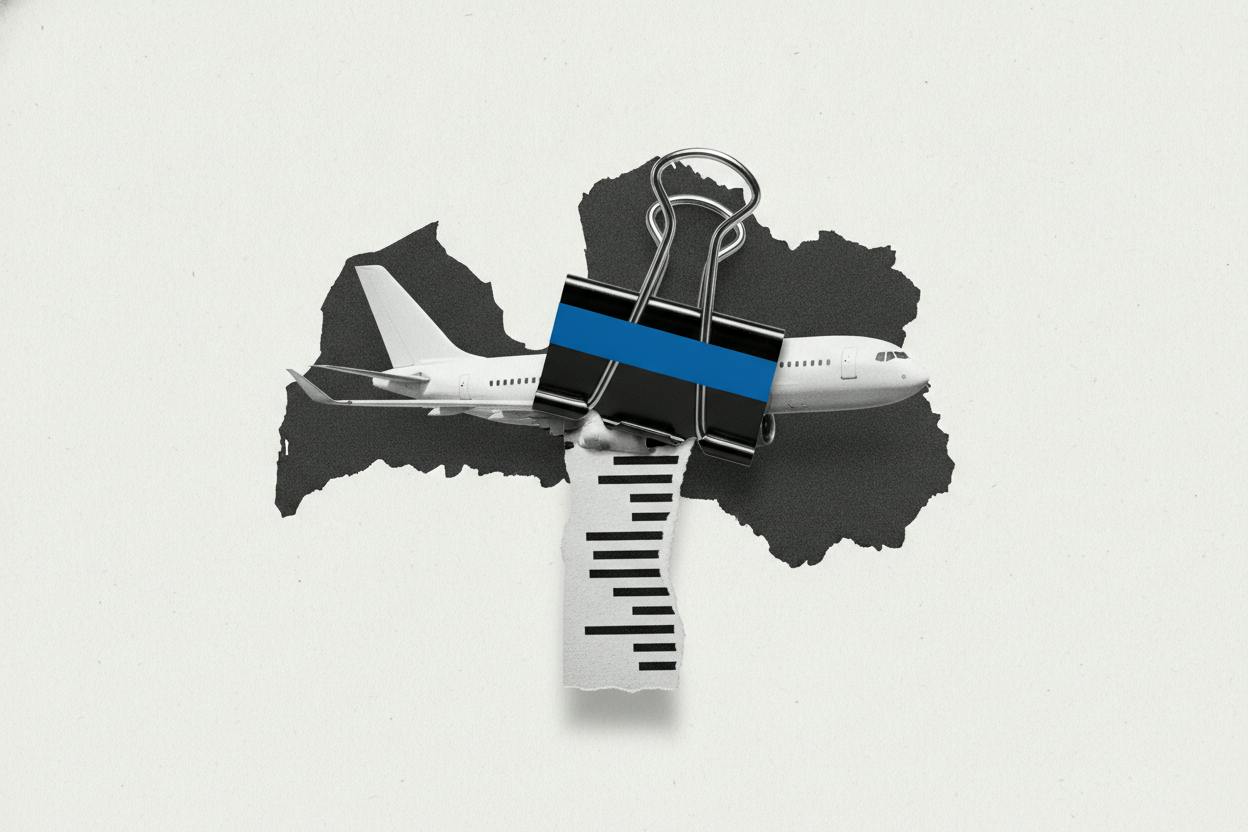
Latvian national carrier AirBaltic has signaled that its workforce could shrink as part of a debt restructuring under Chapter 11 bankruptcy protection in New York. The airline says it is consulting labor unions before making any final decisions on staffing levels.
Chapter 11 is a U.S. court process that allows a company to keep operating while it renegotiates its debts and, in some cases, contracts. For AirBaltic, this means flights are expected to continue as normal, but the airline is also planning to pare back capacity—and management has indicated that staffing levels will likely fall once union talks conclude.
What is driving the restructuring?
AirBaltic has been grappling with high fuel costs and a heavy debt load, pressures that have hit many airlines across Europe. The company filed for Chapter 11 protection earlier this year, a move that gives it breathing room to restructure its finances while keeping its planes in the air.
The airline has said it is focusing on reducing capacity, which means flying fewer routes or using smaller aircraft. That naturally reduces the need for pilots, cabin crew, and ground staff. The biggest changes are expected in its wet lease business—where AirBaltic provides another airline with an aircraft and crew for a fee. Wet leasing is often used by carriers to cover seasonal demand or aircraft shortages, but it can be scaled back quickly if the economics don't work.
For AirBaltic, trimming wet lease operations is a fast way to cut costs, but it also means fewer flying hours for its crews and less revenue from those contracts.
What does this mean for investors?
For everyday investors, the key takeaway is that AirBaltic is trying to avoid a full collapse by restructuring its debts. Chapter 11 is not liquidation—it's a chance to emerge leaner and more financially stable. But the process often involves painful cuts, and job losses are a common part of that.
If you hold AirBaltic bonds or shares (the airline is partly state-owned and has been eyeing an IPO), the restructuring could affect the value of those investments. Bondholders may face reduced payouts, while shareholders could see their stakes diluted or wiped out if the company issues new equity to raise funds.
For travelers, the news is less alarming: AirBaltic says flights should operate as normal, and the airline is likely to maintain its core routes. But if capacity is reduced, some destinations or frequencies could be cut, and wet lease customers will need to find alternative capacity.
Broader context: airlines under pressure
AirBaltic is not alone in facing financial strain. Airlines across Europe and Asia have struggled to pass on soaring fuel costs to passengers, as seen in Southeast Asia's budget carriers. Fuel is often an airline's largest expense, and when prices spike, margins get squeezed.
The restructuring also echoes other recent Chapter 11 filings, such as AirBaltic's own initial filing and even LIV Golf's use of the process to reorganize. Chapter 11 is a tool used across industries, not just aviation.
For investors, the lesson is that airlines are capital-intensive businesses with thin margins and high sensitivity to fuel prices and economic cycles. Restructurings can create opportunities, but they also carry significant risk.
What to watch next
The main thing to watch is the outcome of union negotiations. If AirBaltic can reach agreements with its pilots and cabin crew, it may be able to reduce costs without a full-scale strike or operational disruption. The scale of job cuts will also depend on how much capacity the airline decides to trim.
Another key factor is the financing AirBaltic secured as part of its Chapter 11 filing—reported at €350 million—which will help it keep flying while it restructures. Investors will be watching whether the airline can emerge from bankruptcy with a sustainable cost base and a clear path to profitability.
For now, the message from AirBaltic is that it is committed to consulting unions and minimizing disruption. But the reality is that a smaller airline is likely on the horizon, and that means a smaller workforce.