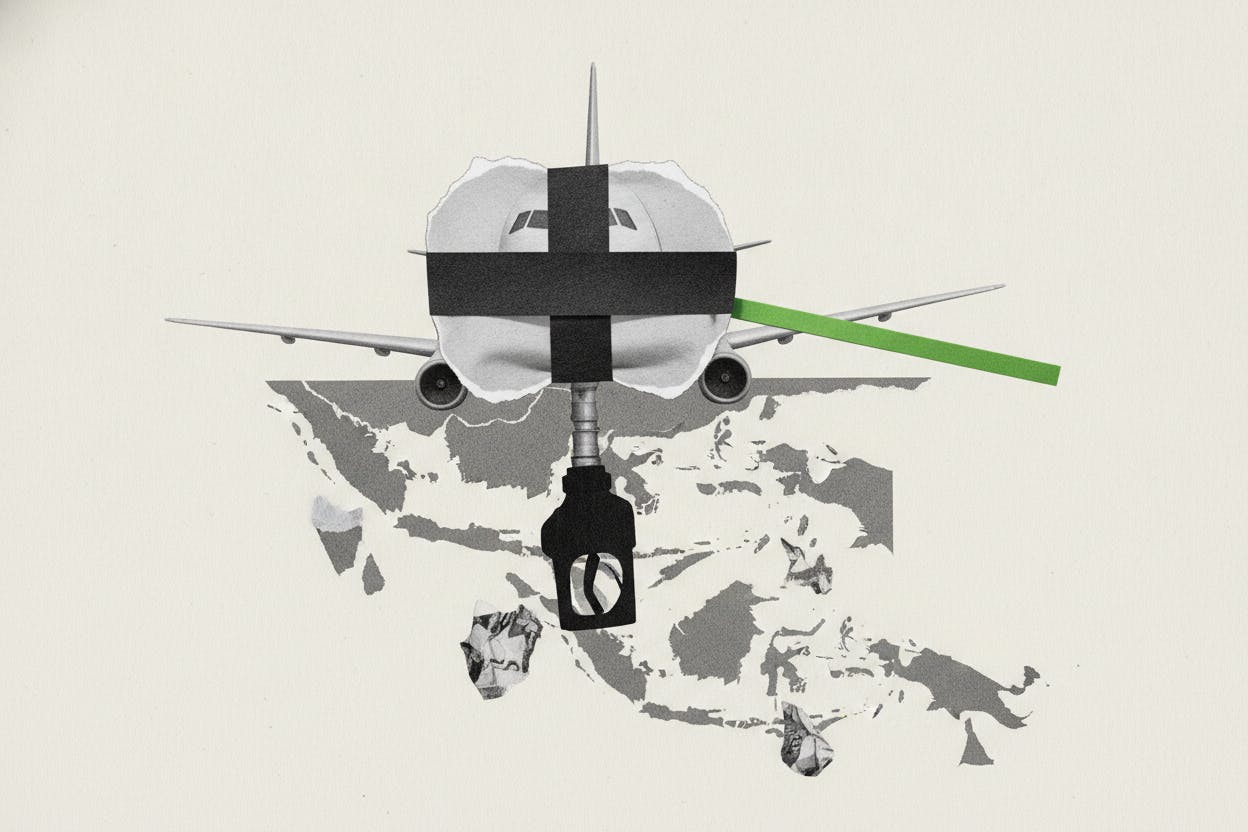
Southeast Asia's low-cost carriers are caught in a familiar squeeze: fuel prices are climbing, local currencies are sliding, and passengers are balking at higher ticket prices. Recent earnings from AirAsia, Scoot (Singapore Airlines' budget arm), and Cebu Pacific all showed losses, underscoring how difficult it is for budget airlines to pass on a fuel shock without losing customers.
Jet fuel is hovering near $183 a barrel, a level that eats into the thin margins that define the low-cost model. For budget carriers, fuel typically accounts for a larger share of operating costs than it does for full-service airlines, so every dollar increase hits harder. And because fuel is priced in US dollars, a weakening local currency makes the pain even worse.
The currency double whammy
When the Malaysian ringgit, Thai baht, Indonesian rupiah, or Philippine peso lose value against the dollar, airlines face a second hit: not only is fuel more expensive in dollar terms, but the local currency buys less of it. Aircraft leases, maintenance, and many other costs are also dollar-denominated, so the entire cost base swells.
This is a bigger problem for low-cost carriers than for their full-service rivals. Budget airlines operate on razor-thin margins, and their customers are typically more price-sensitive. Raising fares to cover higher costs risks driving travelers to competitors or to alternative modes of transport. The result is a delicate balancing act: hike prices enough to protect margins, but not so much that demand collapses.
The recent earnings reports show that balance has been hard to strike. AirAsia, Scoot, and Cebu Pacific all reported losses, even as they raised fares. The fuel price spike, combined with currency weakness, overwhelmed the fare increases.
What this means for investors
For investors, the key takeaway is that budget airlines in Southeast Asia are facing a cost environment that is largely out of their control. Fuel prices are set globally, and currency moves are driven by macroeconomic forces. Airlines can hedge fuel costs or adjust routes, but those tools only go so far.
The broader backdrop is also challenging. Global oil prices have been volatile, and geopolitical tensions have added a risk premium. Meanwhile, many Asian currencies have been under pressure as the US dollar stays strong. This combination is particularly painful for airlines that earn revenue in local currencies but pay many costs in dollars.
Investors should watch how these airlines manage their cost structures and pricing power. If fuel prices stay high and currencies remain weak, budget carriers may need to cut capacity, delay fleet expansion, or find other ways to trim costs. Some may also lean on ancillary revenue—baggage fees, seat selection, and onboard sales—to offset the fuel hit.
There is also a competitive angle. Full-service airlines, with their higher fares and more diversified revenue streams, may be better positioned to absorb the shock. Budget carriers, by contrast, have less room to maneuver. This could reshape the competitive landscape in the region, as seen in other markets where budget airline consolidation has occurred.
Currency movements are a key factor to monitor. For example, India's rupee has been stuck in a tight range as oil costs clash with central bank intervention, illustrating the broader regional dynamic. Airlines in Southeast Asia face similar pressures, and any further currency weakness would add to their woes.
Looking ahead
The immediate outlook depends on two variables: the price of jet fuel and the strength of local currencies. If oil prices ease or currencies stabilize, budget airlines could see some relief. But if the current conditions persist, more losses are likely.
For everyday investors, this story is a reminder that airline stocks are highly sensitive to external factors. Fuel costs and currency fluctuations can swing profits dramatically, and budget carriers are especially vulnerable. While low-cost airlines can be attractive for their growth potential, they come with significant risk in times of cost inflation.
As always, diversification is key. Investors with exposure to Southeast Asian airlines should be aware of the risks and consider how these companies fit into their broader portfolio. The current squeeze is a classic example of how global commodity prices and currency markets can ripple through to a company's bottom line.