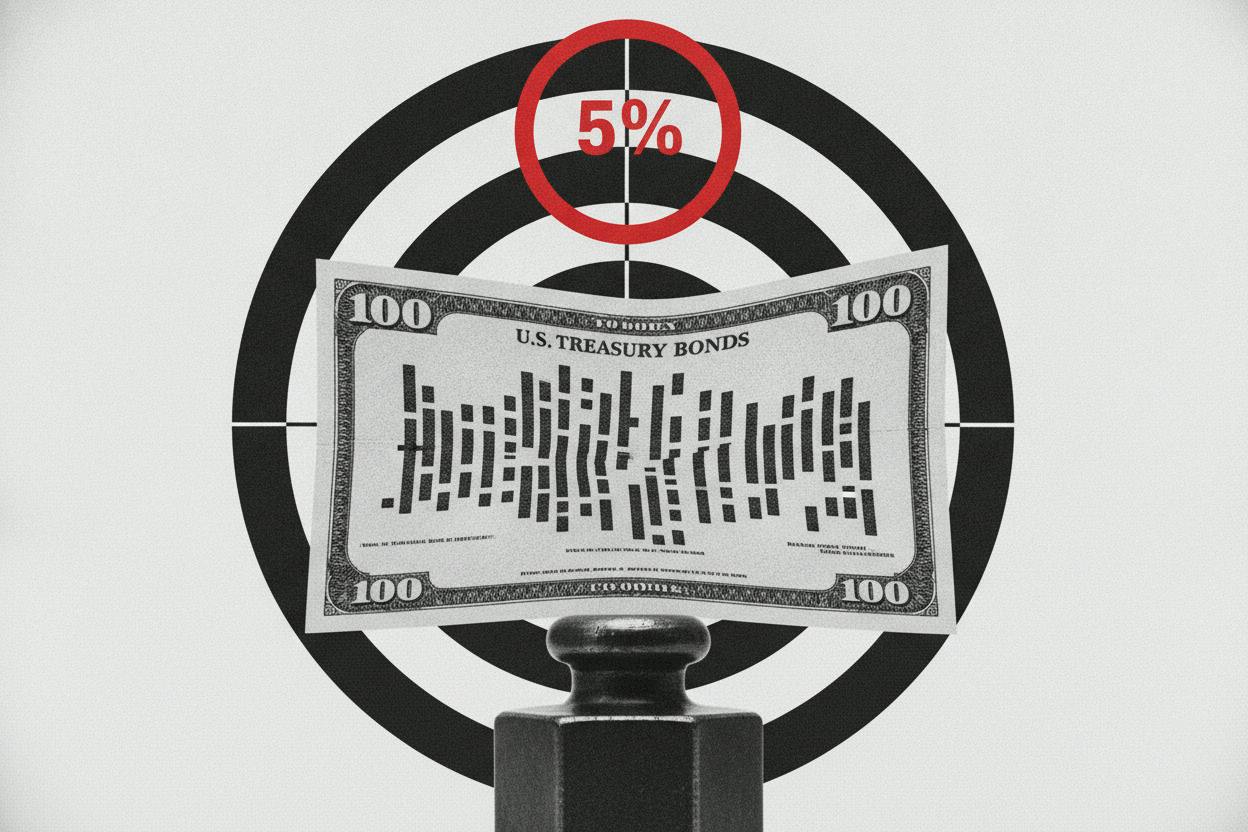
US 10-year Treasury yields rose to 4.983% on Monday, edging closer to the psychologically important 5% level for the first time in over a decade. The move comes as investors digest hotter-than-expected August inflation data and a renewed surge in oil prices, both of which have reshaped expectations for the Federal Reserve's next move.
According to futures markets, traders now see an 89% probability that the Fed will raise interest rates at its meeting on Wednesday. That marks a sharp shift from just a few weeks ago, when many expected the central bank to hold rates steady.
Why yields are climbing
Treasury yields move inversely to bond prices, and they reflect what investors expect for inflation, economic growth, and central bank policy. When inflation runs hot, bondholders demand higher yields to compensate for the erosion of their purchasing power. The latest inflation report showed consumer prices rose more than expected in August, suggesting that the Fed's battle against rising prices is far from over.
Adding to the pressure is the price of oil. Crude has climbed steadily in recent weeks, and higher energy costs tend to ripple through the economy, raising the price of transportation, heating, and many consumer goods. That can make it harder for inflation to cool, even as the Fed tries to slow the economy with higher rates.
"The combination of sticky inflation and firmer oil prices is a tough mix for the Fed," said one market strategist. "It suggests that policy may need to stay restrictive for longer, and that's why yields are pushing higher."
What a 5% yield means
The 5% level on the 10-year Treasury is more than just a round number. It acts as a benchmark for borrowing costs across the economy, influencing everything from mortgage rates to corporate bonds. A sustained move above 5% could tighten financial conditions further, making it more expensive for businesses to invest and for consumers to borrow.
For everyday investors, higher Treasury yields are a double-edged sword. On one hand, they offer attractive returns on safe assets like government bonds and savings accounts. On the other, they can weigh on stock valuations, particularly for growth companies that promise big profits in the future. When risk-free yields rise, investors often demand higher returns from stocks, which can push equity prices down.
The recent move in yields has already been felt in equity markets, with tech and other rate-sensitive sectors under pressure. If the Fed does hike on Wednesday, it could add to that pressure, though some investors hope that a hike might signal the end of the tightening cycle.
What to watch next
All eyes are now on the Fed's decision on Wednesday, along with its updated economic projections and the press conference that follows. Investors will be looking for clues about how much higher rates might go and how long the central bank plans to keep them there.
Beyond the Fed, oil prices remain a wildcard. If crude continues to climb, it could keep inflation elevated and force the Fed to stay aggressive. Conversely, a pullback in energy costs could ease some of the pressure.
For those with savings accounts or certificates of deposit, the current environment is a reminder that cash can earn a decent return. But for bond investors, the key risk is that yields keep rising, which would push bond prices down. As always, diversification and a long-term perspective remain important.
The 5% threshold on the 10-year Treasury is a line in the sand for many investors. Whether it holds or breaks could set the tone for markets in the weeks ahead.