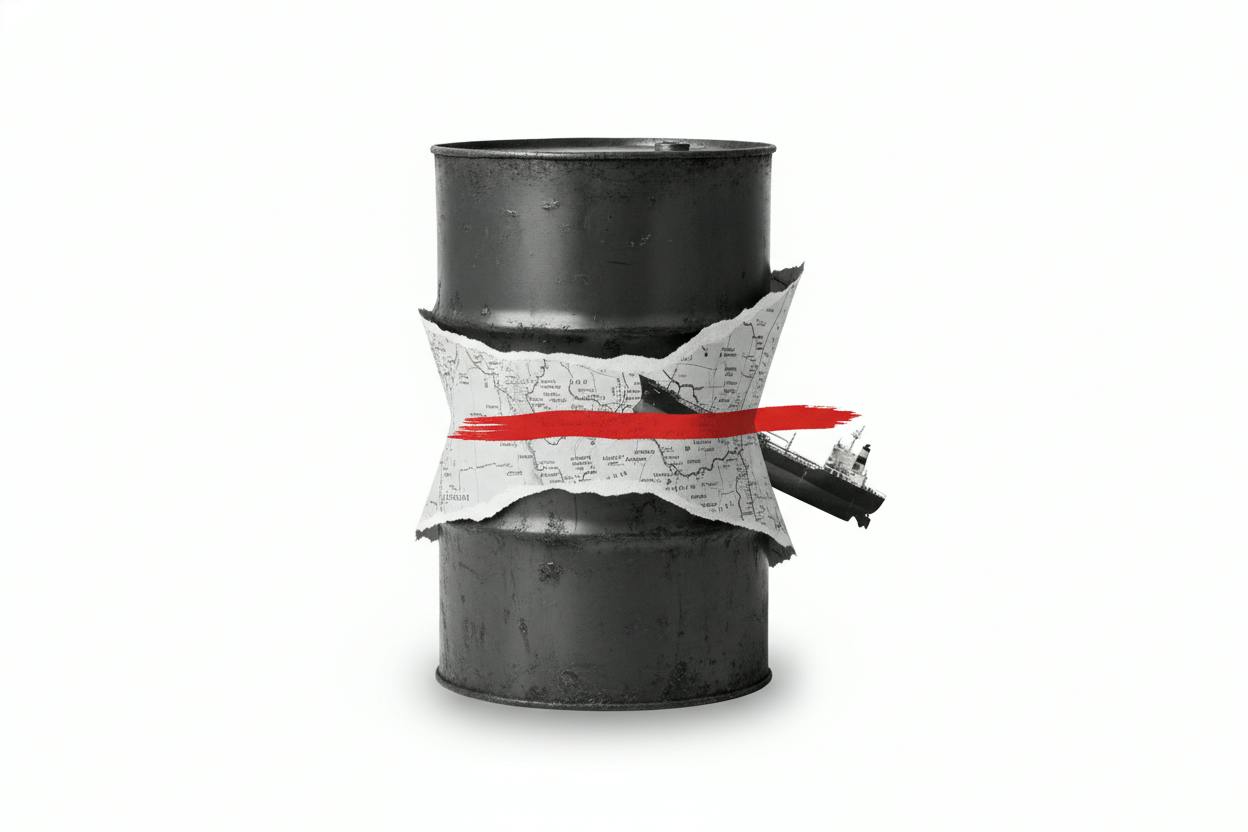
Oil prices surged back above the $100 mark on [day] after a fresh wave of tanker attacks near the Strait of Hormuz stoked fears that Gulf shipments could be delayed or disrupted. By 12:15 GMT, Brent crude futures were up 4% at $105.26 a barrel, while the US benchmark West Texas Intermediate (WTI) climbed 4.15% to $100.04, according to Reuters.
The move is less about a sudden surge in global demand and more about a simple question: can the barrels get where they need to go? When traders worry that a key shipping lane might choke up, they quickly price in the risk of delays, higher insurance and freight costs, and the chance that buyers will need to hold extra inventory just in case.
Why the Strait of Hormuz matters
The Strait of Hormuz is a narrow waterway between the Persian Gulf and the Gulf of Oman. Roughly a fifth of the world's oil passes through it, making it one of the most critical chokepoints for global energy supplies. Any threat to shipping there can send ripples through oil markets worldwide.
The recent attacks on tankers have revived memories of earlier episodes when tensions in the region caused sharp price spikes. As oil tops $100 as US-Iran tensions flare, investors are watching closely to see if the situation escalates further.
For everyday investors, the immediate effect is often visible at the petrol pump. Higher crude prices tend to push up fuel costs, which can feed into inflation and affect consumer spending. But the bigger concern is what sustained high oil prices might mean for the broader economy.
What's driving the price jump?
The attacks have raised the risk premium that traders attach to oil. Insurance rates for tankers in the region typically spike after such incidents, and shipping companies may reroute vessels or demand higher fees to compensate for the danger. These costs get baked into the price of crude.
Analysts are also keeping a close eye on China, the world's largest oil importer. The question is whether Chinese buyers will keep purchasing at these elevated levels or pull back, which could soften demand and ease some of the upward pressure on prices. So far, there's no clear sign of a slowdown, but the uncertainty is part of why the market remains jittery.
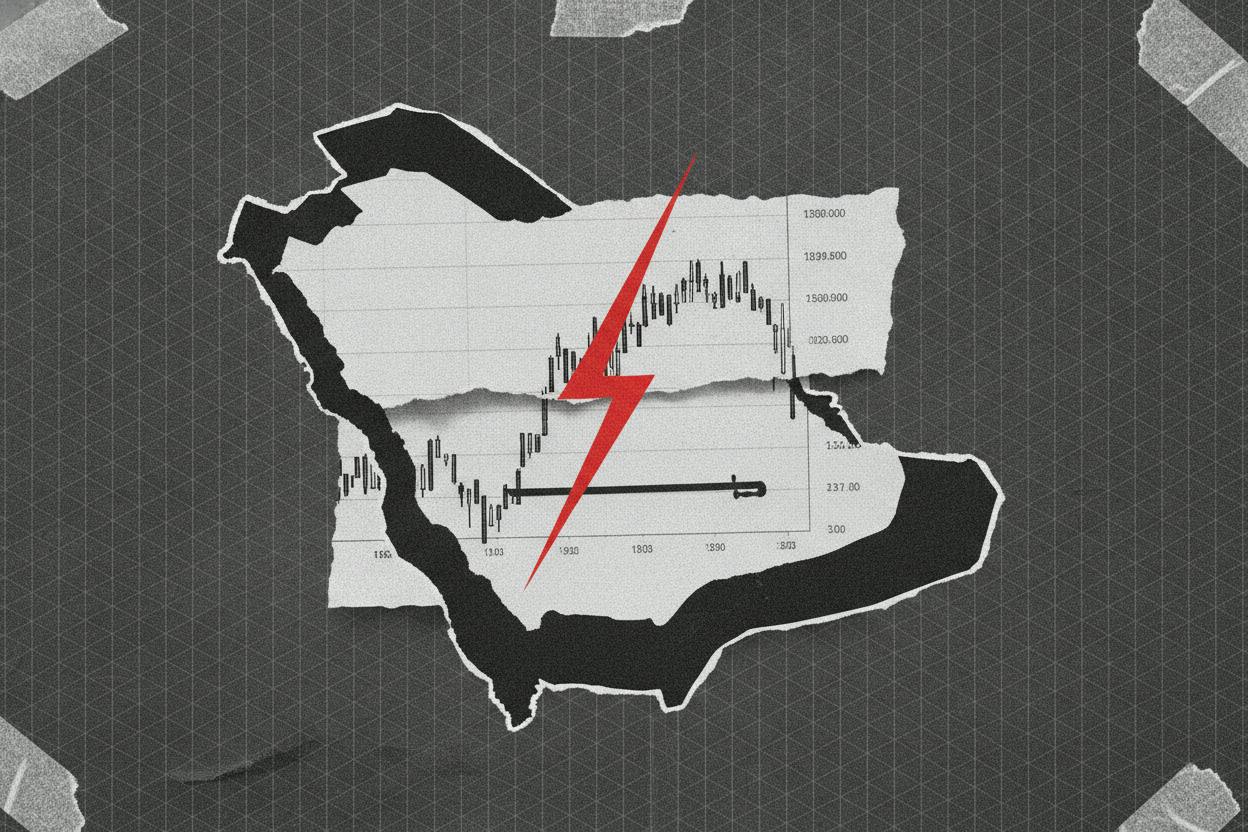
This isn't the first time oil has flirted with $100 in recent months. Brent crude neared $100 after Houthi strikes hit Saudi energy sites earlier, and oil surged past $93 on Middle East attacks before, dragging US stocks lower. Each episode has tested investor nerves and highlighted how fragile the global energy balance can be.
What it means for investors
For stock market investors, higher oil prices are a mixed bag. Energy companies tend to benefit from rising crude prices, as their profits are directly tied to the price they can fetch for their output. But airlines, shipping firms, and manufacturers that rely heavily on fuel or raw materials often see their margins squeezed.
At the macro level, sustained oil above $100 can complicate central banks' efforts to control inflation. If energy costs stay high, they can push up the prices of goods and services across the economy, potentially forcing policymakers to keep interest rates higher for longer. That's a key reason why European stocks slipped as Brent crude returned to $100 ahead of major central bank decisions.
For everyday investors, the takeaway is to be aware of how oil prices can ripple through portfolios. A spike like this can boost energy stocks and commodities, but it can also weigh on consumer-facing sectors and increase volatility in the broader market. Diversification remains a key tool for managing such swings.
As the situation in the Gulf evolves, traders will be watching for any further attacks, diplomatic efforts to de-escalate tensions, and signs of how major buyers like China respond. Until then, oil prices are likely to remain sensitive to headlines from the region.