Brent crude oil is still trading above $100 a barrel, even after a modest pullback, as escalating shipping attacks between the United States and Iran keep the market on edge. The key question for traders: could oil flows through the Strait of Hormuz—the world's most important chokepoint for crude—tighten again?
What's happening in the oil market?
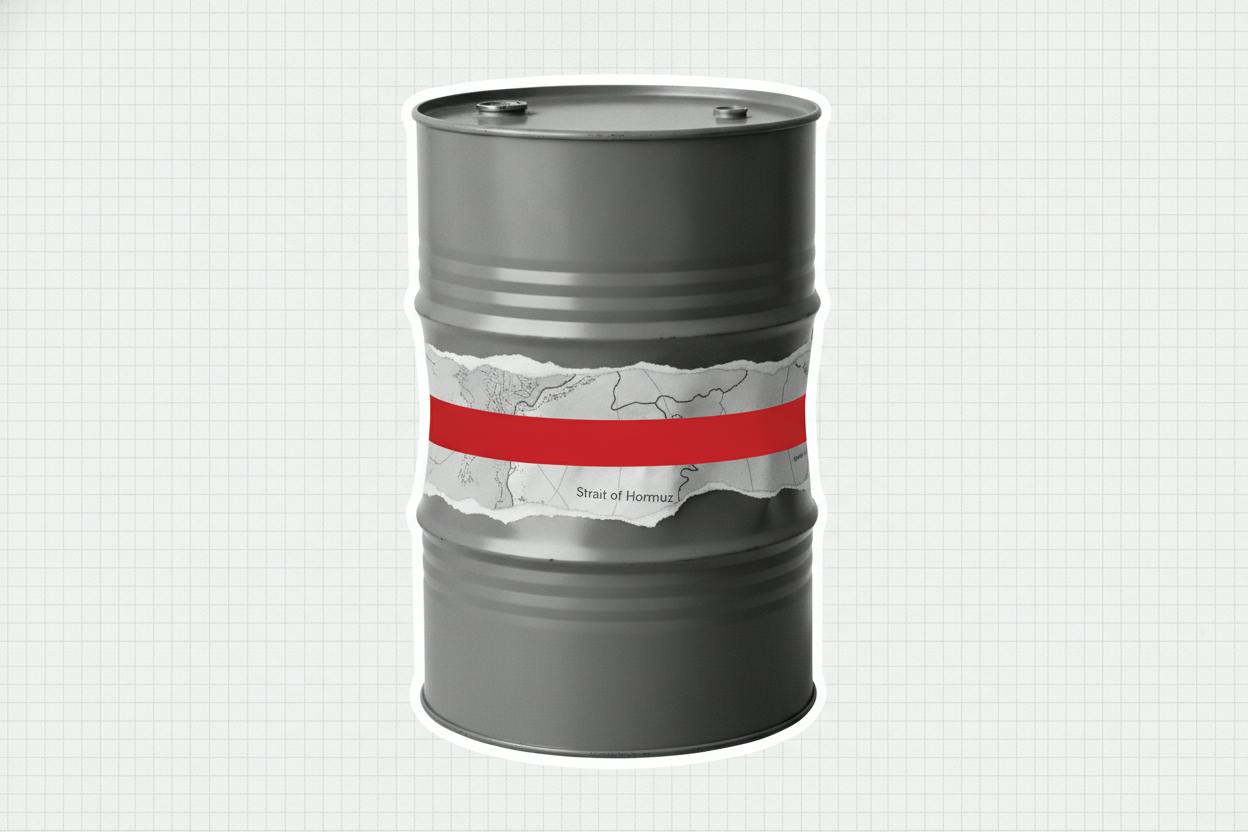
The latest flare-up in US-Iran tensions has injected fresh risk premium into crude prices. Shipping attacks in the region have raised concerns about disruptions to tanker traffic, and the Strait of Hormuz is the passage through which roughly one-fifth of global oil consumption moves. Any threat to that route can quickly push prices higher, as seen in recent sessions.
Brent, the international benchmark, has managed to hold above the psychologically significant $100 level despite a small dip. That resilience reflects a market that remains tightly balanced, with supply concerns outweighing worries about weaker demand.
Why the Strait of Hormuz matters
The Strait of Hormuz sits between Iran and Oman, connecting the Persian Gulf to the Gulf of Oman and the open ocean. A large share of the world's seaborne oil—plus significant volumes of liquefied natural gas—passes through this narrow waterway. When tensions rise in the region, traders immediately price in the possibility of supply disruptions.
In this case, the US and Iran have been trading shipping attacks, a pattern that keeps the risk of a broader confrontation alive. While no major disruption to tanker traffic has been reported so far, the mere threat is enough to keep crude prices elevated. As one market watcher put it, the situation is a reminder of how quickly geopolitical events can reshape the energy landscape.
China's import appetite in focus
Beyond the Strait of Hormuz, traders are also watching China, the world's largest crude importer. China's demand for oil is a major driver of global prices, and any signs of softening or strengthening in its import appetite can move markets.
Recent data has shown mixed signals from the Chinese economy, with some sectors slowing while others remain resilient. If Chinese refiners step up purchases, that could add further upward pressure on prices. Conversely, a slowdown in Chinese buying could help offset some of the supply risks, providing a cushion for consumers.
What this means for investors
For everyday investors, the key takeaway is that oil prices are likely to remain volatile as long as geopolitical tensions persist. Higher crude prices can feed into inflation, affecting everything from petrol prices to the cost of goods that rely on transportation. That, in turn, can influence central bank policy and stock market sentiment.
Energy stocks often benefit from rising crude prices, but the broader market can suffer if oil costs squeeze corporate margins or prompt central banks to keep interest rates higher for longer. Investors should watch how the situation evolves, particularly any escalation that could threaten actual oil flows.
Related moves in other markets have already been visible. For instance, oil's climb above $100 has weighed on Asian equities, with Chinese and Hong Kong stocks sliding as energy costs rise. European markets have also slipped as Brent crude returns to $100 ahead of key central bank decisions.
What to watch next
Traders will be closely monitoring any developments in the Strait of Hormuz, including whether shipping attacks intensify or if there are signs of de-escalation. Diplomatic efforts could ease tensions, but so far there is little indication of a quick resolution.
Also on the radar: China's monthly import data, which will offer fresh clues about demand. If Chinese buying remains strong, that could support prices even if geopolitical risks fade. On the other hand, a weaker-than-expected import figure could give the market an excuse to take profits.
For now, the oil market is caught between supply fears and demand uncertainty. As long as the US-Iran standoff continues, expect crude to stay elevated and volatility to remain high. Investors should brace for swings and consider how energy price movements might ripple through their portfolios.