Ryanair's chief executive, Michael O'Leary, says the airline is seeing a small improvement in winter ticket prices, with fares now expected to be roughly flat to slightly higher than a year ago. The update marks a shift from earlier this year, when the carrier warned of falling prices and squeezed profits.
Speaking to investors, O'Leary said pricing has firmed up since July, moving from a decline to what he described as a "very low-single-digit increase" year-on-year. He added that any near-term dip in fares should be milder than the low- to mid-single-digit declines he had flagged in July.
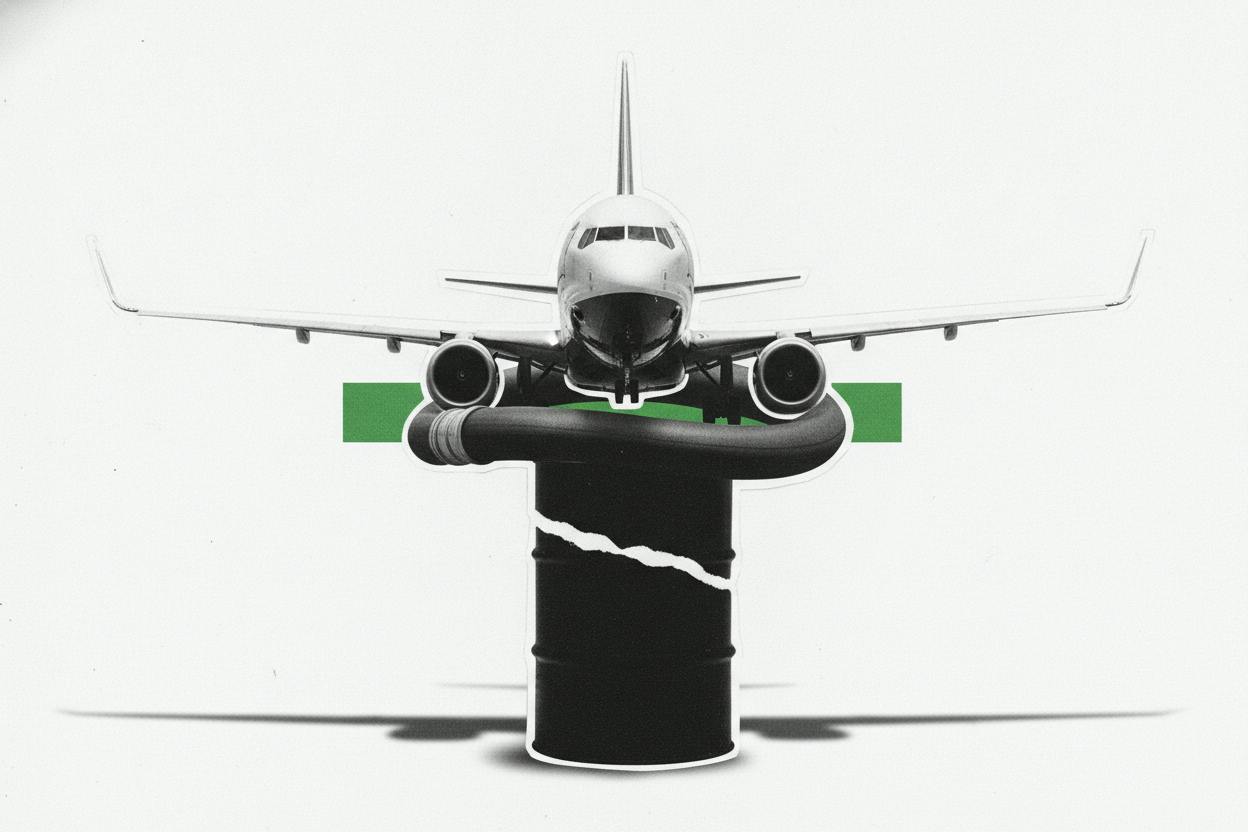
But the CEO stressed that the outlook remains tied to the cost of jet fuel, which has climbed back above $100 a barrel this week. Oil prices are a major input for airlines, and sharp moves can quickly change the economics of a flight.
What's behind the change?
Ryanair had been bracing for a tougher winter. From February through July, average fares fell, squeezing profit margins just as fuel costs were rising. That combination—lower revenue per seat and higher expenses—is a double blow for any airline.
The recent upturn in pricing suggests demand may be holding up better than expected, or that competitors have pulled back on capacity, or both. Airlines often adjust pricing based on how many seats are available in the market, and even small shifts in supply can move fares.
Still, O'Leary's comments come with a clear caveat: the next few months are "still hinged" on where oil goes. If crude stays above $100, fuel bills will stay high, and that could eat into any benefit from firmer ticket prices. If oil falls, the airline could see a more comfortable margin.
Why oil matters for airlines
Fuel is typically one of an airline's largest costs, often accounting for a quarter to a third of operating expenses. When oil prices jump, carriers face a choice: absorb the higher cost, try to pass it on to passengers through higher fares, or hedge by locking in fuel prices in advance.
Ryanair is known for aggressive fuel hedging, which can protect it from short-term spikes. But hedging only goes so far, and sustained high oil prices eventually filter through to the bottom line.
For everyday investors, the key takeaway is that airline stocks are sensitive to two things at once: consumer demand for travel and the price of oil. A company can do everything right on the demand side and still see profits dented by a jump in crude.
What it means for investors
For investors in Ryanair—or in airlines more broadly—the message is cautiously optimistic but far from a full-throated recovery. The improvement in winter pricing is a positive sign, suggesting that the worst of the fare slump may be over. But the oil price is a reminder that the sector remains at the mercy of global energy markets.
If oil continues to climb, airlines may struggle to raise fares enough to cover higher fuel costs, especially in the off-peak winter season when demand is naturally weaker. That could pressure profit margins and weigh on share prices.
On the other hand, if oil stabilizes or falls, the combination of firmer pricing and easing fuel costs could be a tailwind for the industry. Investors will likely watch both fare trends and oil prices closely in the coming months.
For those with a diversified portfolio, the news is a reminder of how interconnected the global economy is. A move in oil prices—driven by geopolitics, supply decisions, or global demand—can ripple through to the cost of a holiday flight and the profits of a major European airline.
As always, it's worth remembering that airline stocks are notoriously volatile and cyclical. They can swing sharply with economic conditions, fuel prices, and even weather. For most everyday investors, a broad, diversified approach is usually a safer bet than trying to time a single airline's fortunes.
Ryanair's next earnings update will give a clearer picture of how the winter season is shaping up, and whether the small upturn in fares is holding. Until then, the oil price remains the biggest variable to watch.