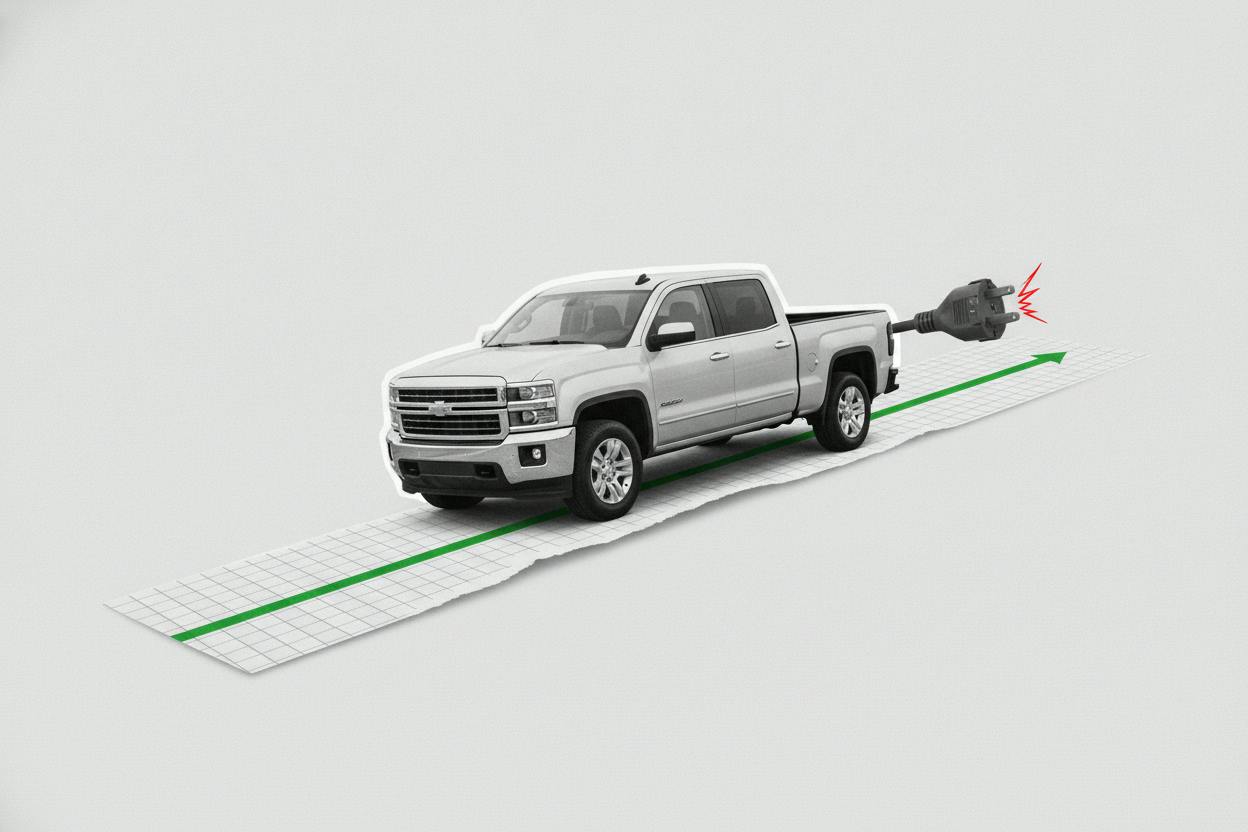
General Motors said Thursday that its US vehicle sales fell 5.5% in the third quarter compared with the same period a year earlier, landing at 670,974 deliveries. The automaker pointed to a "much smaller" electric vehicle market and the phase-out of certain models as the main reasons for the decline.
The drop wasn't uniform across the lineup. Cadillac, GM's luxury brand, saw sales fall about 30%, a steep decline that stands out even in a softer market. At the same time, several of GM's largest and most profitable trucks and SUVs continued to post multi-year growth, underscoring how the company's core business remains anchored in gasoline-powered vehicles even as it invests heavily in electric models.
Why the EV market matters to GM's bottom line
For the past several years, GM and its Detroit rivals have poured billions into developing electric vehicles, betting that consumer demand would shift quickly away from internal combustion engines. That bet has run into a slower-than-expected reality. EV adoption in the US has continued to grow, but at a pace well below the aggressive forecasts automakers built their plans around.
Several factors are at work. Electric vehicles typically carry higher sticker prices than comparable gas models, and with interest rates elevated, the monthly payment on a financed EV has become a harder sell for many households. Charging infrastructure remains uneven across the country, and range anxiety — the worry about running out of charge on a trip — still weighs on some buyers. Federal tax incentives have helped, but they come with eligibility rules and income caps that limit how many buyers can use them.
When a market grows more slowly than planned, the companies that invested first can find themselves with expensive factories running below capacity. That's a margin problem, not just a volume problem. GM has already signaled it is willing to be flexible on its EV rollout, adjusting production schedules to match actual demand rather than chasing a target number.
The broader auto market is cooling, not collapsing
GM's results fit into a US auto market that is softening rather than falling apart. Auto researcher Cox Automotive recently estimated third-quarter new-vehicle sales of about 4.12 million, down 0.7% from a year earlier. Cox attributed the squeeze to affordability issues and less support from EV subsidies.
Affordability is the key word. After several years of rising prices, higher financing costs and stretched household budgets, many buyers are either delaying a purchase or trading down to smaller, cheaper vehicles. Automakers that lean heavily on large trucks and SUVs — which carry higher price tags and richer profit margins — are especially exposed to that shift, though those same vehicles remain the industry's profit engine when demand holds up.
It's worth noting that GM's decline is steeper than the overall market's. That gap suggests company-specific factors, such as discontinued models and the Cadillac drop, are doing some of the work alongside the broader slowdown. Investors will want to separate the two: a market-wide cooling is a cyclical issue that eventually reverses, while a brand-specific problem can linger.
What it means for investors
For anyone holding auto stocks or auto-related funds, the takeaway is nuanced. GM's core truck and SUV franchise is still growing, which supports the cash flow that funds dividends, buybacks and EV investment. But the EV drag is real, and it raises a question the whole industry is wrestling with: how much capital should go toward electric vehicles when the demand curve is flatter than expected?
Watch a few things from here. First, GM's pricing and incentive spending — if the company has to discount more to move metal, margins compress. Second, the trajectory of EV sales relative to gas models, since a widening gap would pressure the aggressive electrification plans laid out by Detroit automakers. Third, the health of the consumer: auto sales are a big-ticket purchase, so they're a useful read on whether households still feel confident enough to take on a multi-year loan.
It's also worth keeping an eye on the wider economic backdrop. Auto demand is sensitive to interest rates, and any shift in the rate outlook can change the math on a car loan quickly. Broader market signals, like the recent dip in jobless claims, feed into how the Federal Reserve thinks about rates, which in turn affects what buyers pay to finance a vehicle.
GM isn't alone in navigating this. Rivals face the same affordability squeeze and the same EV demand question, and international markets show similar patterns — for instance, Stellantis holding its lead in France reflects how legacy automakers are defending share in a tougher environment. Closer to home, the picture is mixed: some markets are still posting growth, as seen in India's September car sales, which shows that demand isn't weak everywhere.
The bottom line for everyday investors: GM's quarter is a reminder that the EV transition is proving bumpier than the industry's early projections suggested, and that the profits funding that transition still come from gas-powered trucks and SUVs. That tension — between today's cash cows and tomorrow's bet — is likely to define auto industry earnings for several quarters to come.