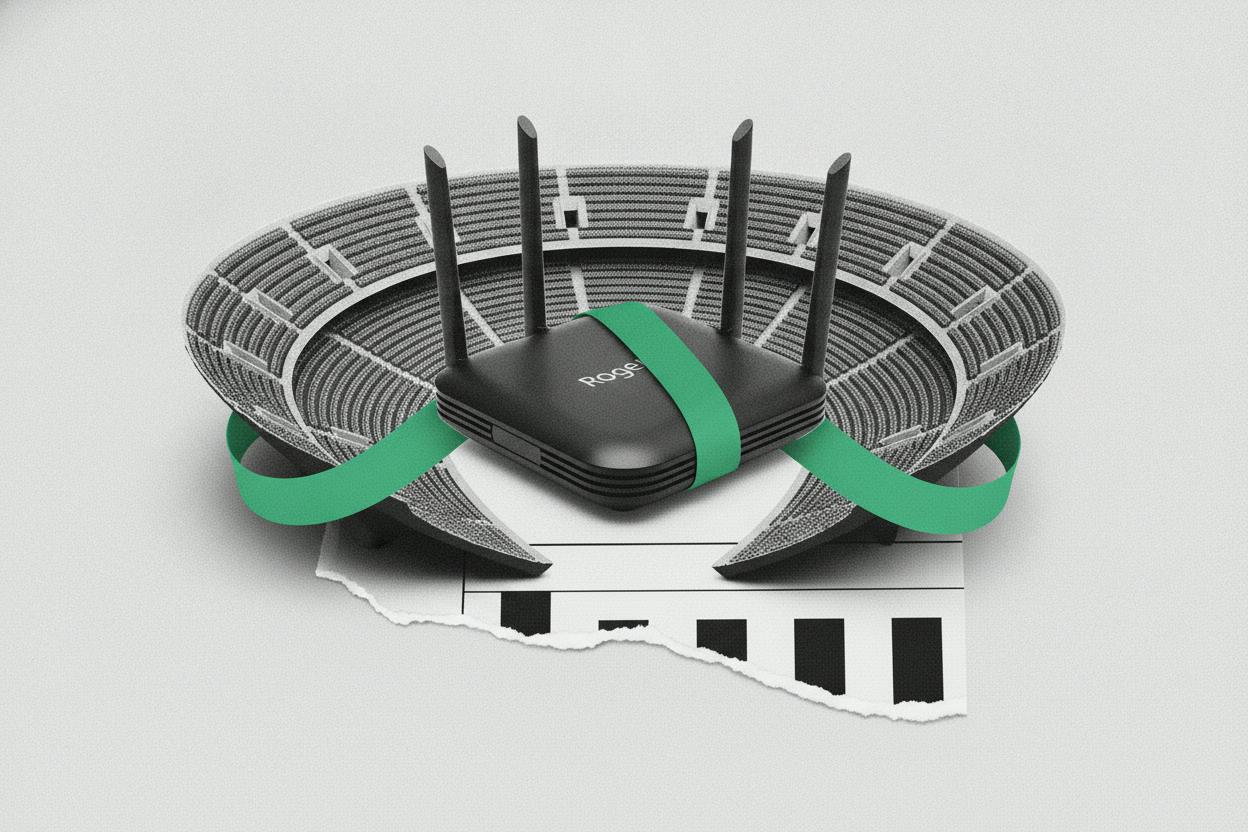
Rogers Communications is taking full ownership of Maple Leaf Sports & Entertainment (MLSE), agreeing to pay CA$4.35 billion to buy the remaining 25% stake held by Kilmer Sports. The deal ends a long-running shared-ownership arrangement and hands the Canadian telecom giant complete control of one of the most valuable sports portfolios in North America.
As part of the move, Rogers is folding MLSE and the Toronto Blue Jays into a newly created Rogers Sports unit. The company's shares slipped 0.89% on the announcement, a modest reaction that suggests investors are weighing the strategic logic against the size of the cheque.
What exactly is Rogers buying?
MLSE is the parent company behind some of Canada's best-known professional sports franchises, including the Toronto Maple Leafs (NHL), Toronto Raptors (NBA), Toronto FC (MLS) and the Toronto Argonauts (CFL). It also holds interests in real estate and entertainment venues. The Toronto Blue Jays, the city's MLB team, are already owned by Rogers and will now sit alongside MLSE inside the same corporate umbrella.
Owning 100% of a business like this is unusual in major-league sports. Most North American franchises are held by a mix of wealthy individuals, family offices and institutional investors, and control can be fragmented across minority partners. Buying out the last significant minority holder simplifies decision-making and gives Rogers the freedom to pursue long-term plans without needing to negotiate with a partner.
Kilmer Sports, the seller, is associated with Larry Tanenbaum, a long-time MLSE chairman and minority owner. His group had held a 25% position, with Rogers and Bell each owning 37.5% in recent years. Rogers previously struck a deal to acquire Bell's share, and this latest transaction completes the consolidation.
Why a telecom wants a sports empire
For Rogers, sports content is more than a trophy asset. Live games are among the few things viewers still watch in real time, which makes them extremely valuable to a company that sells wireless plans, internet service and cable TV. Owning the teams means owning the rights to the games, the highlights and the surrounding programming — content that can be used to attract and retain subscribers.
There is also a real-estate and events angle. Sports venues host concerts, conferences and other gatherings, and the land around them can be developed. Over time, a fully controlled MLSE gives Rogers more flexibility to invest in stadiums, digital experiences and ticketing without needing a partner's sign-off.
The broader media industry has been moving in this direction for years. Telecom and streaming companies have been buying sports rights and even entire franchises because live sport is one of the last reliable drivers of paying audiences. Rogers is effectively betting that owning the whole pipeline — from the team to the network to the phone in a customer's pocket — is worth the price.
What it means for investors
The immediate market reaction was muted. A 0.89% dip in Rogers shares is small in the context of a single trading day and may reflect general market conditions as much as the deal itself. Still, the transaction raises a few questions that shareholders will want answered over the coming quarters.
- How will it be funded? Rogers has not disclosed the financing mix in the brief. Large acquisitions are often paid for with a combination of cash, debt and sometimes shares. If debt rises meaningfully, investors will watch the company's leverage and credit rating.
- Does it add to earnings? Buying out a minority stake does not change the underlying operations of MLSE, but it does change how much of the profit Rogers can claim. Over time, full ownership should mean a larger share of MLSE's cash flow flows to Rogers.
- What about the Blue Jays? Combining the baseball team with MLSE under one unit could create cost savings and cross-promotion opportunities, but it also concentrates more sports risk in one place.
For everyday investors, the key takeaway is that Rogers is doubling down on a business that is capital-intensive but generates loyal, recurring revenue. Sports teams rarely go out of style, and their media rights tend to rise over time. The risk is that Rogers pays a full price at a moment when consumer spending on cable and wireless is under pressure.
Investors will also want to see whether management provides more detail on the deal's impact on free cash flow and debt. Telecom investors tend to care about dividends and balance-sheet strength, so any sign that the acquisition strains either could weigh on the stock.
The bigger picture
This deal fits a pattern seen across the media and telecom world: companies that once just distributed content are now buying the content itself. It also comes as the broader market is navigating a busy period for corporate deals and capital raising, from Firmus's data-center IPO to Transurban's toll-road buyout. Large transactions are getting done, but investors are increasingly selective about which ones they reward.
Rogers has not said when the transaction is expected to close, and it remains subject to the usual regulatory approvals. For now, the company has secured a landmark piece of Canadian sports and media, and the market's calm response suggests shareholders are waiting to see the financial details before making a judgment.