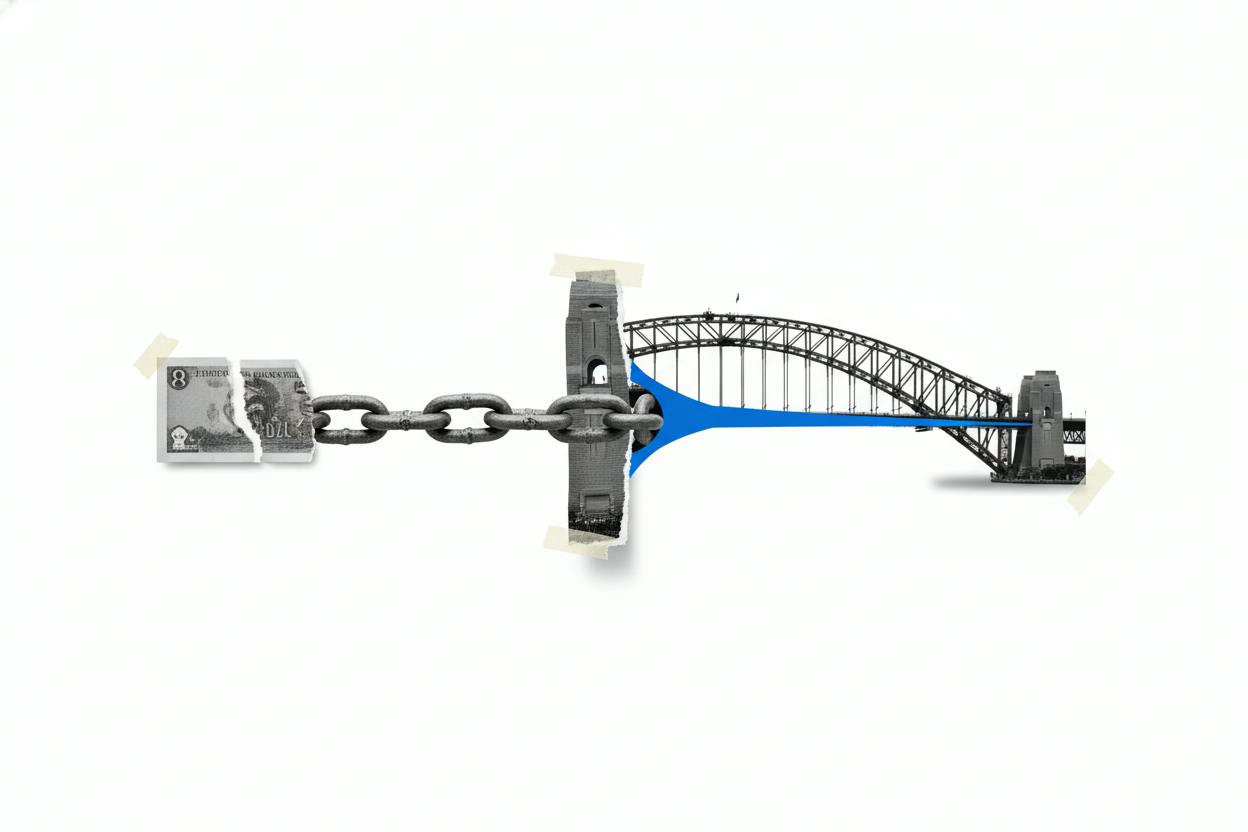
Australia's largest toll-road operator is doubling down on the roads it already knows best. Transurban has agreed to pay AU$4.5 billion in cash to acquire the Canada Pension Plan Investment Board's interests in two Sydney road-holding groups, a move that will give it a much larger share of the tolls collected on some of the city's busiest motorways.
The company disclosed the deal in a filing to the Australian Securities Exchange. The purchase covers CPPIB's stakes in NorthWestern Roads Group and Sydney Transport Partners. Once completed, Transurban's ownership of the first vehicle will rise to 75%, while its holding in the second will climb to just under 61%.
Those two holding companies sit on top of some of Sydney's most important pieces of road infrastructure. NorthWestern Roads Group owns the Westlink M7 and NorthConnex, while Sydney Transport Partners holds WestConnex, a sprawling network of tolled motorways that funnels traffic through and around the city's western suburbs.
Why Transurban is buying more of what it already owns
Transurban is not a household name in the way an airline or a bank might be, but its business is easy to understand. It builds, owns and operates toll roads, then collects a fee every time a driver passes a toll point. Because those fees rise with traffic and are often indexed to inflation, toll roads are prized by infrastructure investors for producing steady, predictable cash flows over decades.
Buying out a partner's stake is a common way for an infrastructure owner to grow without taking on the risks of building something new. Transurban already operates these roads, so it understands the traffic patterns, the maintenance costs and the revenue they generate. Increasing its ownership simply means a larger slice of the same toll receipts flows to its own shareholders rather than being shared with a co-investor.
For CPPIB, a large Canadian pension fund, the sale looks like a routine portfolio decision. Pension funds of its size hold infrastructure assets for years, collecting steady income, and periodically trim positions to rebalance or lock in gains. Selling to an existing operating partner is often the cleanest route, since Transurban already knows the assets intimately.
How the deal is structured and what happens next
Transurban said the AU$4.5 billion price tag will be funded with debt rather than cash from its balance sheet. That is typical for infrastructure deals of this size, because toll roads generate reliable revenue that can service borrowings over long periods. It does, however, mean the company is adding to its leverage at a time when interest rates in Australia and globally remain well above the ultra-low levels of the early 2020s.
The transaction still needs sign-off from regulators, and the company expects the deal to close during 2027. That is a long runway, and it reflects the reality of owning critical transport infrastructure: competition authorities and other watchdogs tend to scrutinise deals that concentrate ownership of essential roads in a single operator's hands.
Investors should expect a period of review and possible conditions attached to any approval. Deals of this kind can also be delayed or restructured if regulators raise concerns, so the 2027 closing date is best read as an expectation rather than a guarantee.
What it means for investors
For anyone holding Transurban shares, the immediate question is whether paying AU$4.5 billion for assets it partly owns already is good value. On the plus side, the company is buying cash-generating roads it already operates, which limits execution risk. More ownership means more of the toll revenue lands with Transurban, which could support future distributions to shareholders.
The trade-off is the added debt. Infrastructure companies are often judged on how comfortably their earnings cover interest payments, and a larger debt load can squeeze that cushion if traffic growth slows or borrowing costs stay elevated. Investors will want to watch how management plans to fund the purchase, whether it refinances existing debt, and what it says about the impact on its payout policy.
There is also a broader read-across for the Australian market. Transurban is one of the country's largest listed infrastructure names, and its willingness to commit billions to Sydney roads signals confidence in long-term traffic volumes and population growth in the region. That contrasts with the pressure households are feeling from high interest rates, which has weighed on consumer-facing sectors and the housing market.
For income-focused investors, toll roads remain a popular way to gain exposure to stable, inflation-linked cash flows. But the deal is a reminder that those returns are not risk-free: they depend on traffic, maintenance costs, interest rates and regulatory decisions. The next milestones to watch are the regulatory review, any conditions imposed, and how Transurban's debt metrics look once the purchase is finalised.