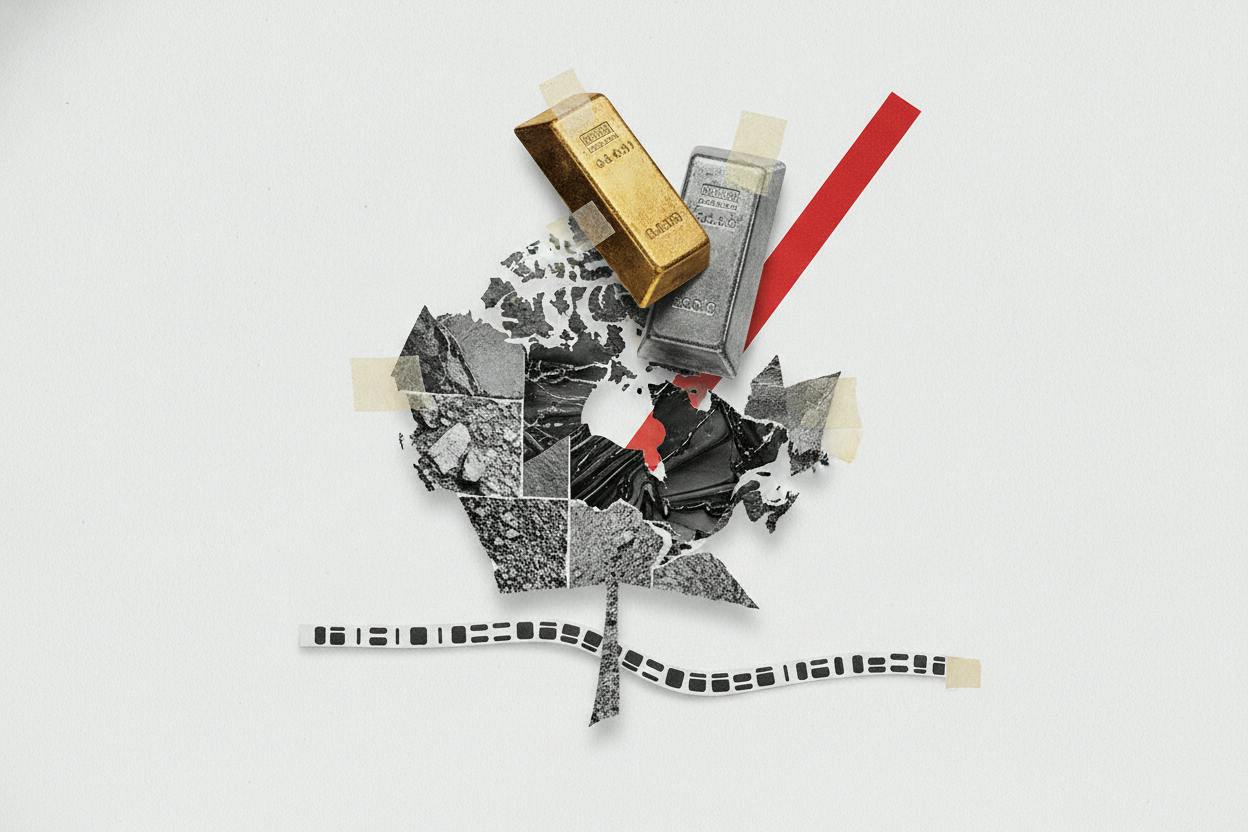
Canada's main stock index is set to open slightly lower on Wednesday, as falling gold and silver prices and soft oil keep the resource-heavy market under pressure. Futures for the S&P/TSX Composite Index dipped 0.2% in early trading, pointing to a cautious start for the country's largest companies.
The move comes as investors keep a close eye on any signs of progress toward a Middle East peace deal, which could ease supply concerns and further weigh on commodity prices. US stock futures were mostly flat, leaving commodities to do most of the talking for Canadian equities.
Why commodities matter so much to the TSX
Canada's benchmark index is uniquely tied to the fortunes of natural resources. Energy and mining companies together account for more than 36% of the TSX's total market value, according to LSEG data. That means when oil, gold, or copper move, the index often follows—sometimes sharply.
On Wednesday, gold and silver slipped, while crude oil hovered near a more than two-week low. The softer tone in metals and energy reflects a mix of factors: a stronger US dollar, fading hopes for aggressive interest rate cuts, and the possibility that a Middle East ceasefire could reduce geopolitical risk premiums.
For context, gold is often seen as a safe-haven asset, so when investors sense less geopolitical tension, they tend to sell it. Oil, meanwhile, is sensitive to supply disruptions; any credible move toward peace in the Middle East could reduce the risk of supply outages, pushing prices down.
What a Middle East peace deal could mean
The market's focus on Middle East diplomacy is not new. Over the past few weeks, headlines about potential ceasefires or peace talks have repeatedly moved commodity prices. A durable peace deal would likely lower oil prices further, as it would remove the threat of supply disruptions from major producing regions.
For Canada, that's a double-edged sword. Lower oil prices hurt energy companies, which are a big part of the TSX. But cheaper oil can also ease inflation pressures globally, which could support consumer spending and corporate profits elsewhere.
Investors are also watching the broader commodity complex. Copper, for example, has been slipping as a firmer dollar weighs on the metals market, as we've seen in recent sessions. And palm oil has been under pressure too, as crude and rival vegetable oils weaken. These moves ripple through Canadian mining and agricultural stocks.
What it means for investors
For everyday investors, the key takeaway is that the TSX is not a diversified global index—it's heavily tilted toward resources. That means its performance often hinges on commodity prices and geopolitical headlines, rather than just corporate earnings or interest rates.
If you hold a Canadian index fund or ETF, you're effectively making a bet on oil, gold, and other raw materials. That can be rewarding when commodities rally, but it also means the index can be more volatile than, say, the S&P 500, which is dominated by technology and consumer companies.
Wednesday's dip is a reminder of that sensitivity. A 0.2% move might seem small, but it reflects a broader trend: commodity prices have been softening as investors weigh the possibility of a Middle East peace deal and adjust their expectations for interest rates.
Looking ahead, traders will be watching for any concrete steps toward a ceasefire or peace agreement. Even a hint of progress could push oil and metals lower, and with them, the TSX. Conversely, if talks stall, commodity prices could rebound, giving the index a lift.
For now, the message is clear: in Canada, the commodity tape is the market's heartbeat. Keep an eye on gold, silver, and oil—they'll likely dictate the TSX's direction in the coming sessions.