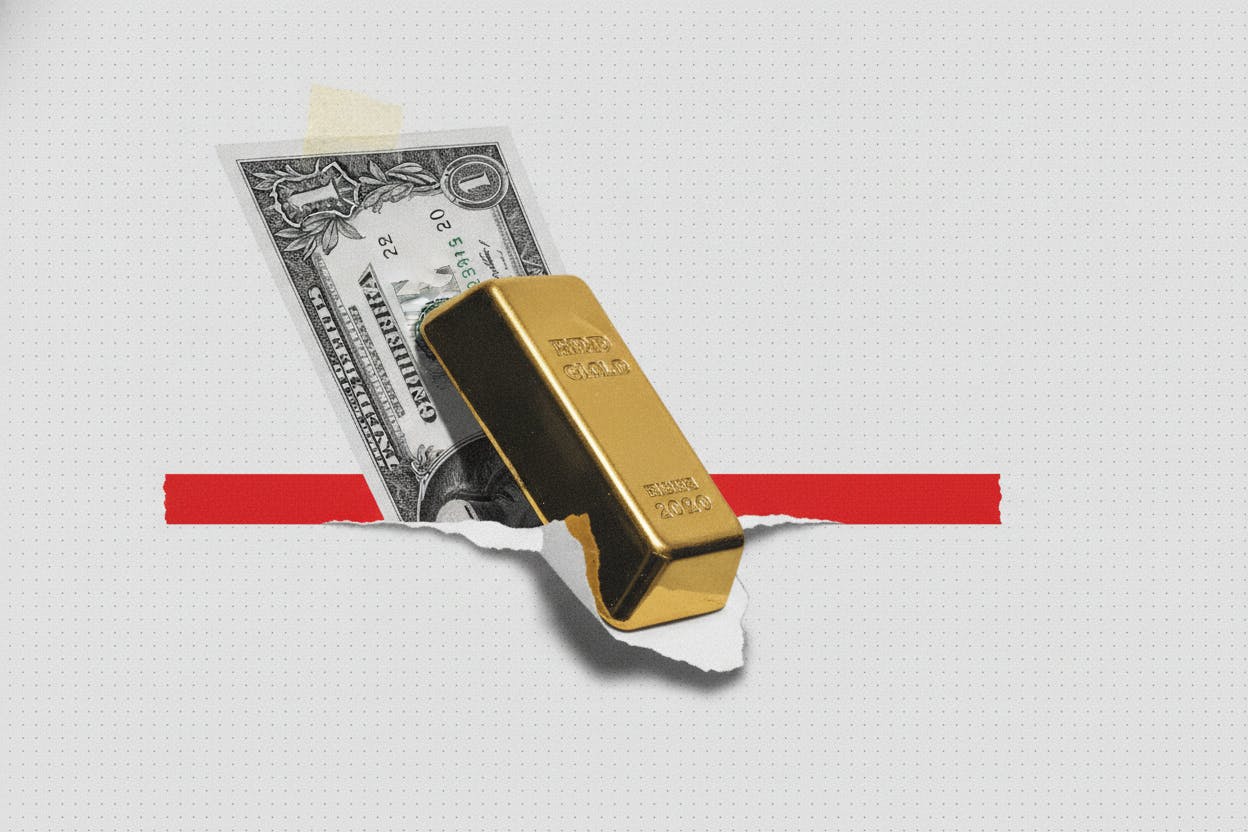
Gold prices slipped below $4,000 an ounce this week for the first time since November 2025, according to Reuters. The decline was driven by a strengthening US dollar and growing expectations that interest rates will stay higher for longer.
The drop is a reminder that even assets traditionally seen as safe havens are not immune to shifts in currency markets and monetary policy. When the dollar strengthens, gold—which is priced in dollars—becomes more expensive for buyers using other currencies, potentially cooling demand. At the same time, higher interest rates increase the opportunity cost of holding gold, which doesn't pay interest or dividends, compared with bonds or cash.
Why Gold Is Under Pressure
The US dollar has been gaining ground as the Federal Reserve signals it may keep rates elevated to combat persistent inflation. A stronger dollar tends to weigh on gold prices, and this week was no exception. Analysts cited by Reuters have trimmed their gold price forecasts after the pullback from earlier highs, though central-bank purchases continue to provide a stabilizing floor under the market.
This isn't the first time gold has faced headwinds from a strong dollar and rate expectations. Earlier this year, the metal also struggled as similar dynamics played out. For context, gold had been trading above $4,000 since late 2025, buoyed by geopolitical uncertainty and central-bank buying. The current retreat marks a notable shift in sentiment.
What It Means for Everyday Investors
For investors holding gold, the headline drop below $4,000 might not tell the full story. Because gold is priced in US dollars, the impact on your local-currency gold price depends on exchange rates. If you're buying gold in euros, yen, or pounds, a stronger dollar can cushion the blow: you're converting a lower dollar price at a less favorable exchange rate, which may offset some of the decline.
That means the move might not fully show up in what you pay for coins, jewelry, or gold-backed exchange-traded funds (ETFs), especially if those products are denominated in your local currency or hedged against currency swings. Investors should be aware of how currency exposure affects their gold holdings, particularly if they invest in dollar-denominated gold ETFs or futures.
For those considering gold as a portfolio diversifier, the current environment underscores the importance of understanding the interplay between interest rates, currencies, and commodity prices. Gold often performs well during periods of low rates and a weak dollar, but the opposite can happen when those conditions reverse.
Broader Market Context
The dollar's strength has been a recurring theme in markets this year, affecting not just gold but also other commodities and currencies. For example, the Australian and New Zealand dollars have slid as US rate hike bets strengthened the greenback, while the Canadian dollar has struggled near tariff-era lows. Even emerging-market currencies have felt the pressure, though some have rallied when US inflation data briefly weakened the dollar.
Gold's decline also comes amid a broader backdrop of rising bond yields, which make interest-bearing assets more attractive relative to bullion. Investors will be watching upcoming economic data and Federal Reserve meetings for clues on whether rate cuts might come sooner than expected, which could reverse gold's fortunes.
Looking Ahead
While the near-term outlook for gold appears challenged by a strong dollar and high rates, central-bank buying remains a supportive factor. Many central banks, particularly in emerging markets, have been adding to their gold reserves as a hedge against geopolitical risks and to diversify away from the US dollar. That demand could help limit further downside.
For everyday investors, the key takeaway is to stay informed about the forces driving gold prices and to consider how currency and rate changes might affect their holdings. As always, diversification and a long-term perspective remain important, especially in a market where even safe havens can face headwinds.