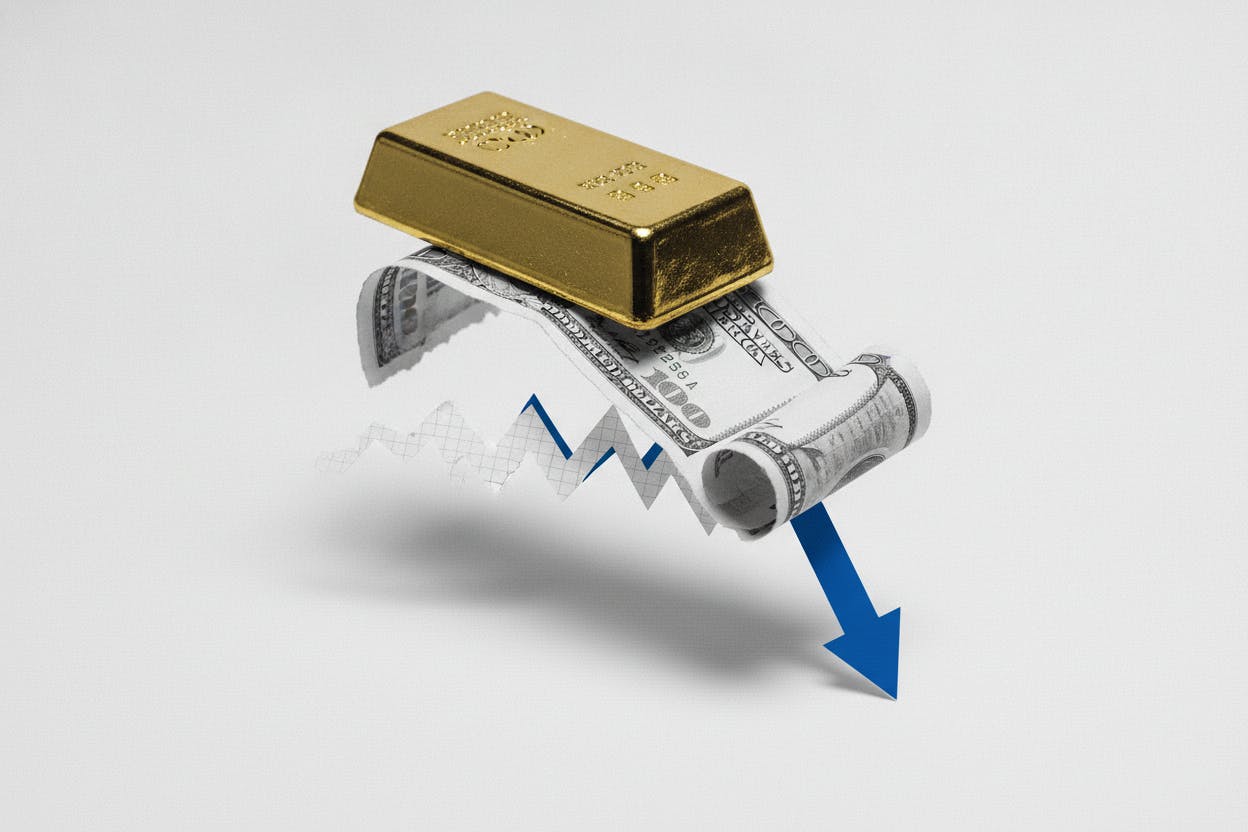
Gold prices ticked up on Thursday, recovering some ground as the US dollar softened and Treasury yields pulled back from recent highs. The move comes after a choppy stretch for bullion, which had slipped to its weakest level in weeks before bouncing.
The precious metal's fortunes are closely tied to two forces: the dollar and bond yields. Gold is priced in dollars, so a weaker greenback makes it cheaper for overseas buyers. And because bullion pays no interest, higher yields on bonds raise the 'opportunity cost' of holding it—investors could earn a return elsewhere instead.
Thursday's session saw the dollar retreat from a recent peak, while yields on US government bonds eased. That combination gave gold some breathing room, lifting it from its recent lows.
What's driving the move?
The immediate catalyst is the upcoming US jobs report, due Friday. That data is widely seen as the next major test for interest rates, and traders are positioning ahead of it.
According to CME's FedWatch tool—which calculates the probability of rate changes based on futures trading—there is roughly a 60% chance that the Federal Reserve will raise rates in September. That's a significant shift from earlier in the year, when many expected the central bank to pause or even cut rates.
If Friday's jobs numbers come in strong, it could reinforce expectations of another hike, which would likely weigh on gold. Conversely, a weak report could cool those expectations and give bullion a further boost.
Why gold is sensitive to rates
Gold has long been seen as a hedge against inflation and economic uncertainty, but it has a complicated relationship with interest rates. When rates rise, the opportunity cost of holding gold increases, because investors could earn interest on cash or bonds instead. That tends to push gold prices down.
The dollar also plays a key role. A stronger dollar makes gold more expensive for buyers using other currencies, which can dampen demand. Thursday's dollar pullback helped ease that pressure.
This dynamic has been on display in recent weeks, as the dollar's retreat lifted Asian currencies and supported gold. The metal's recent volatility reflects the market's uncertainty about the Fed's next move.
What it means for investors
For everyday investors, the gold market offers a window into how the broader financial system is pricing in future interest rates. Gold's moves often signal shifts in market sentiment about inflation, growth, and central bank policy.
If you hold gold or gold-related investments, Friday's jobs report could bring some volatility. A strong report might push gold lower, while a weak one could lift it. But it's important to remember that gold is just one piece of a diversified portfolio, and short-term price swings are normal.
For those watching the broader markets, the interplay between gold, the dollar, and yields is a reminder of how interconnected global markets are. Bond yields have been easing in Europe as well, and gold has been climbing on geopolitical concerns in recent days.
Looking ahead
All eyes are now on Friday's jobs report. The data will not only influence gold but also stocks, bonds, and the dollar. A strong report could reinforce the case for a September rate hike, while a weak one might give the Fed room to hold off.
Beyond the immediate reaction, investors will be watching whether the Fed's tightening cycle is nearing its end. The central bank has been raising rates to combat inflation, but the pace of hikes has slowed in recent months as price pressures have eased.
For now, gold's path remains tied to the data. As traders digest the jobs numbers, expect more volatility in the precious metal and across financial markets.



