Gold prices edged higher for a second consecutive session on Wednesday, as weaker-than-expected US durable goods data cooled the dollar and Treasury yields, pushing November futures to around $4,145 an ounce.
The move comes after the US Census Bureau reported that durable goods orders rose just 0.3% in June, following a 4.0% drop in May. That was far below the 2.1% gain economists had expected, according to MarketWatch, signaling that the US economy may be losing some steam.
What the data means for markets
Durable goods are big-ticket items like cars, appliances, and industrial machinery that are designed to last at least three years. Because they are often expensive and can be postponed, orders for these goods are seen as a leading indicator of business confidence and economic health. A miss like this one suggests companies are pulling back on investment, which can ripple through the broader economy.
The disappointing data took some pressure off what traders call the “rates and dollar” complex. The two-year Treasury yield slipped to 4.327%, while the 10-year yield fell to 4.651%. The ICE US Dollar Index, which measures the greenback against a basket of major currencies, eased to 101.38.
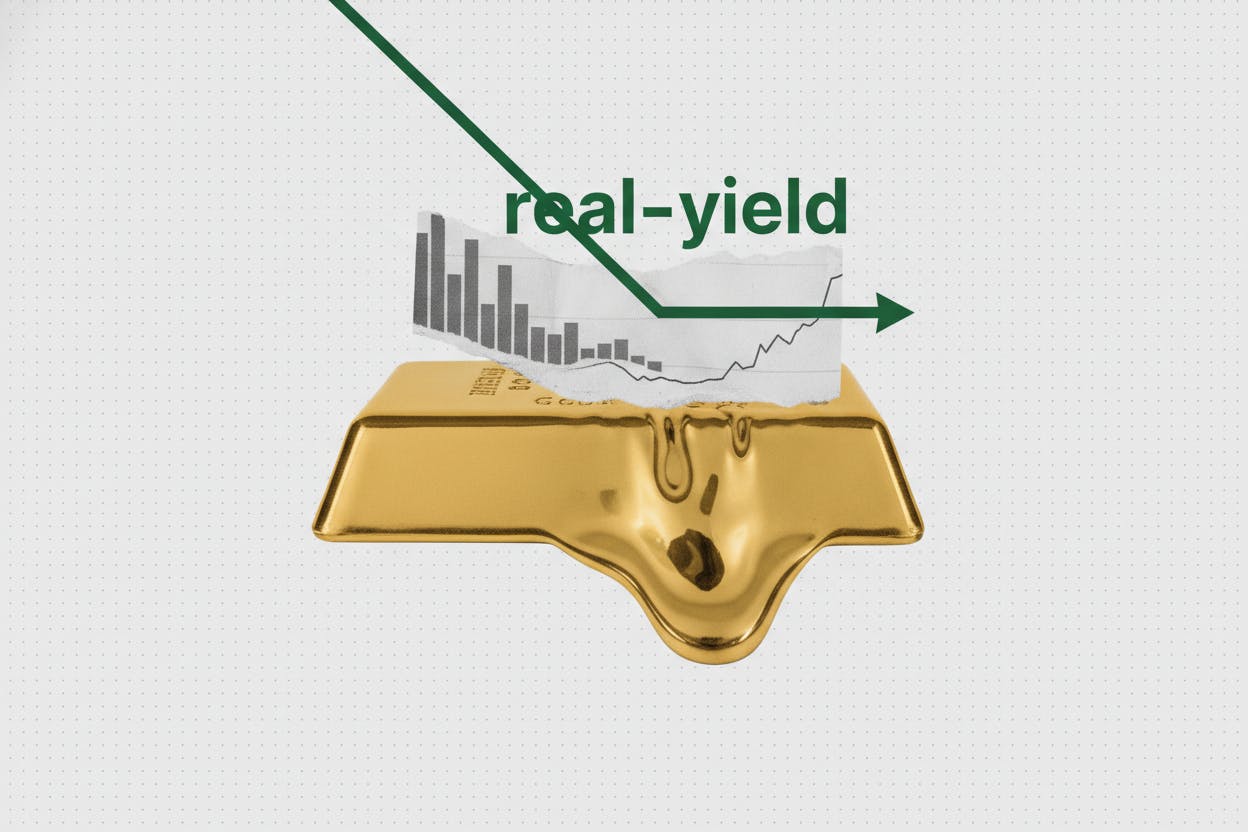
When the dollar weakens and bond yields fall, gold becomes more attractive for two reasons. First, a lower dollar makes gold cheaper for buyers using other currencies. Second, falling yields reduce the opportunity cost of holding gold, which pays no interest, compared with bonds that do.
Gold's role in a slowing economy
Gold is often viewed as a safe-haven asset and a hedge against economic uncertainty. As signs of a slowdown mount, investors tend to rotate some money into the metal. This latest data point adds to a growing list of indicators—from softer retail sales to a cooling housing market—that suggest the Federal Reserve's aggressive rate hikes are finally starting to bite.
The Fed has held its benchmark rate at a 23-year high for over a year, trying to tame inflation without tipping the economy into recession. While inflation has eased, the labor market remains resilient, keeping the central bank cautious. But Wednesday's durable goods report could give policymakers more reason to consider cutting rates sooner rather than later.
Lower rates are generally positive for gold, as they reduce the appeal of yield-bearing assets and weaken the dollar further. Markets are now pricing in a roughly 70% chance of a rate cut in September, according to CME FedWatch data.
What it means for everyday investors
For ordinary investors, gold's latest move is a reminder that the metal can act as a portfolio diversifier during periods of economic uncertainty. It doesn't generate income like stocks or bonds, but it can help cushion losses when other assets fall.
That said, gold prices can be volatile in the short term, driven by shifts in interest rate expectations, currency moves, and geopolitical events. The current rally is modest and tied to a single data point, so investors should be cautious about reading too much into one day's move.
Looking ahead, all eyes will be on the Fed's next policy meeting and upcoming economic data, including the July jobs report and consumer price index. If more soft spots emerge in the economy, gold could continue to find support. But if growth surprises to the upside, the metal could quickly give back its gains.
For context, other markets are also reacting to the shifting outlook. AstraZeneca's recent earnings beat showed that some companies are still performing well despite the macro headwinds. Meanwhile, trade tensions remain a wild card, with potential tariffs adding another layer of uncertainty for global growth.
In the end, gold's latest tick higher is a signal that investors are watching the economy closely—and that any sign of weakness can quickly shift sentiment across asset classes.