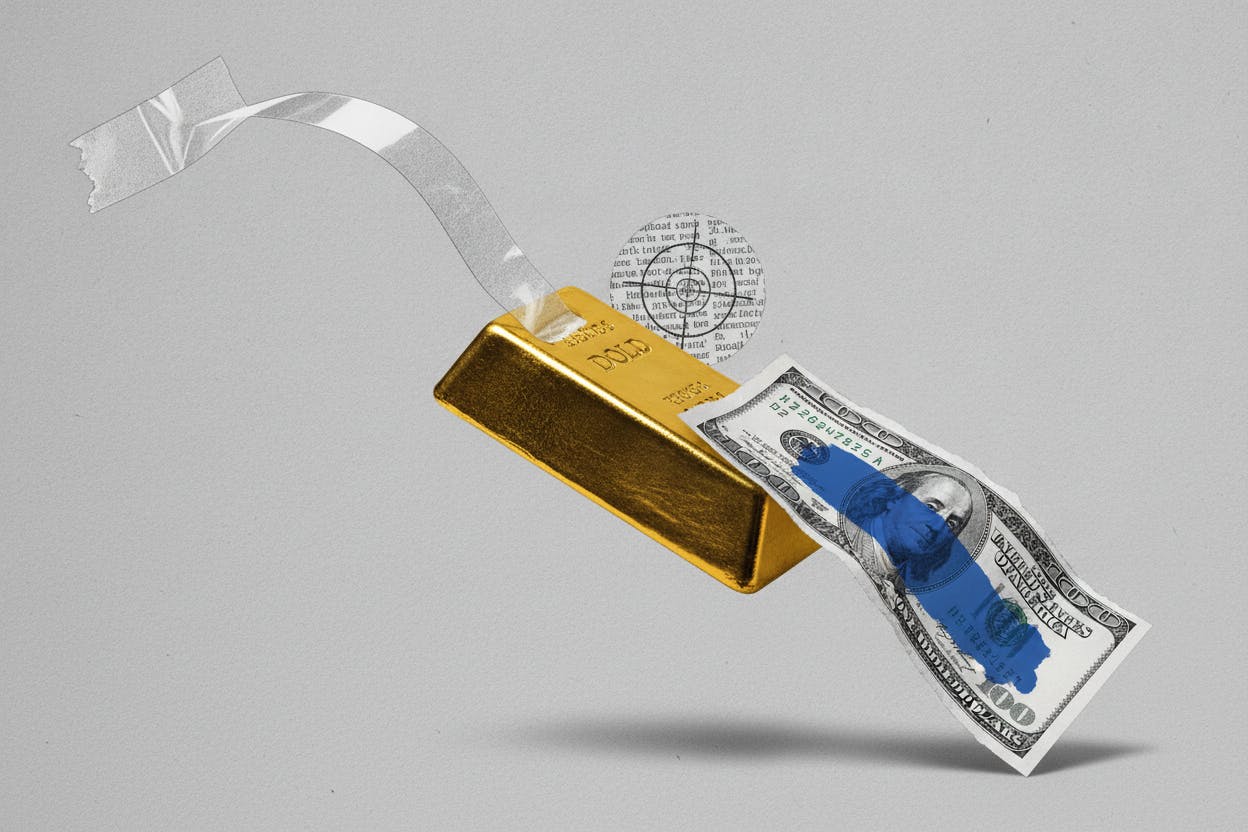
Gold prices bounced back on Tuesday, rising 0.8% to $4,107.69 an ounce, as a softer US dollar helped counter lingering worries that renewed US-Iran hostilities could keep inflation and interest rates higher for longer. The move comes after a period of mixed signals for the precious metal, with traders weighing geopolitical risks against monetary policy expectations.
What's Driving Gold's Move?
The primary catalyst for gold's rebound was a dip in the US dollar, which makes the metal cheaper for holders of other currencies. The dollar slipped as oil prices surged on reports of fresh US strikes and regional retaliation, raising fears of disruptions in the Strait of Hormuz—a key chokepoint for global oil shipments. Higher oil prices can feed into broader inflation, which typically supports gold as a hedge against rising prices.
However, the same geopolitical tensions also create a countervailing force: the possibility that the Federal Reserve will keep interest rates higher for longer to combat any inflation spike. Higher rates increase the opportunity cost of holding non-yielding assets like gold, which can cap gains. This tug-of-war has kept gold trading in a relatively narrow range in recent sessions.
For context, gold is often seen as a safe-haven asset during times of geopolitical turmoil, but its performance also depends heavily on the dollar and real interest rates. The current environment—where tensions are high but the dollar is weakening—has created a supportive backdrop for bullion, at least for now.
Broader Market Context
The US-Iran situation has been a key driver across multiple asset classes. Oil prices have rallied sharply, with Brent crude climbing above $90 a barrel, as traders price in potential supply disruptions. This has also lifted energy stocks and weighed on equities in sectors sensitive to higher fuel costs. Meanwhile, the dollar's decline has provided some relief to emerging market currencies and commodities priced in the greenback.
Investors are also watching the Federal Reserve closely. The central bank's next policy meeting is weeks away, and recent data showing sticky inflation has tempered expectations for rate cuts. The minutes from the Fed's last meeting, due later this week, could offer more clues on the outlook. If the Fed signals it is prepared to hold rates steady for longer, that could limit gold's upside. Conversely, any dovish hints could give bullion a further boost.
Relatedly, the dollar slipped as oil surged on US-Iran tensions, with the Fed minutes now in focus for direction. Similarly, FTSE 100 futures edged higher as the oil rally followed renewed tensions, highlighting the interconnected nature of these markets.
What It Means for Investors
For everyday investors, gold's latest move underscores the metal's role as a portfolio diversifier during uncertain times. While it doesn't generate income like bonds or dividends, it can act as a store of value when geopolitical risks rise or the dollar weakens. However, it's important to remember that gold prices can be volatile and are influenced by factors beyond just headlines.
The key takeaway is that gold is currently caught between two opposing forces: safe-haven demand from tensions and headwinds from potential rate hikes. Investors should watch the dollar, oil prices, and Fed commentary for clues on which direction the metal will break next. If the dollar continues to weaken and the Fed signals a pause, gold could test higher levels. But if tensions escalate further and push inflation expectations up, the Fed may be forced to act, which could pressure gold.
For those with exposure to gold through ETFs or mining stocks, the current environment suggests a cautious approach. The metal's recent rebound is encouraging, but the path ahead remains uncertain. As always, diversification across asset classes is key to managing risk.
In related news, DPM Metals reported Q2 output of 102,000 gold-equivalent ounces as its Vares mine ramps up, showing that production growth continues even as prices fluctuate. Meanwhile, New Zealand stocks edged higher near record highs despite Gulf tensions and rate hike bets, indicating that equity markets are also navigating the same crosscurrents.



